
Private tutoring in 2026: The new educational standard
26 March 2026
The release of the Sutton Trust’s Private Tutoring 2026 report provides a sobering confirmation of a trend we at Action Tutoring have watched with growing concern. The “shadow education” industry in the UK is not merely growing; it is becoming a primary driver of educational inequality.
As the CEO of Action Tutoring, I see the human stories behind these statistics every day. But the data in this latest report demands that we look at the systemic implications. When a third of all secondary school pupils in England and Wales are now receiving private tuition, rising to nearly half in London, we have to ask ourselves: what happens to the children who are left behind?
The growing divide
The report highlights a staggering jump in the prevalence of private tutoring. In 2026, 29% of 11-16 year olds accessed private support, outside of school hours, compared to 18% 20 years ago. While this reflects a natural desire from parents to see their children succeed, it creates an ‘achievement gap’ that tracks directly with household income.
In an era where the attainment gap is wider than it has been in a decade, this is a crisis of social mobility, where a child’s potential is increasingly capped by their parents’ bank balance.
The London effect and regional disparity
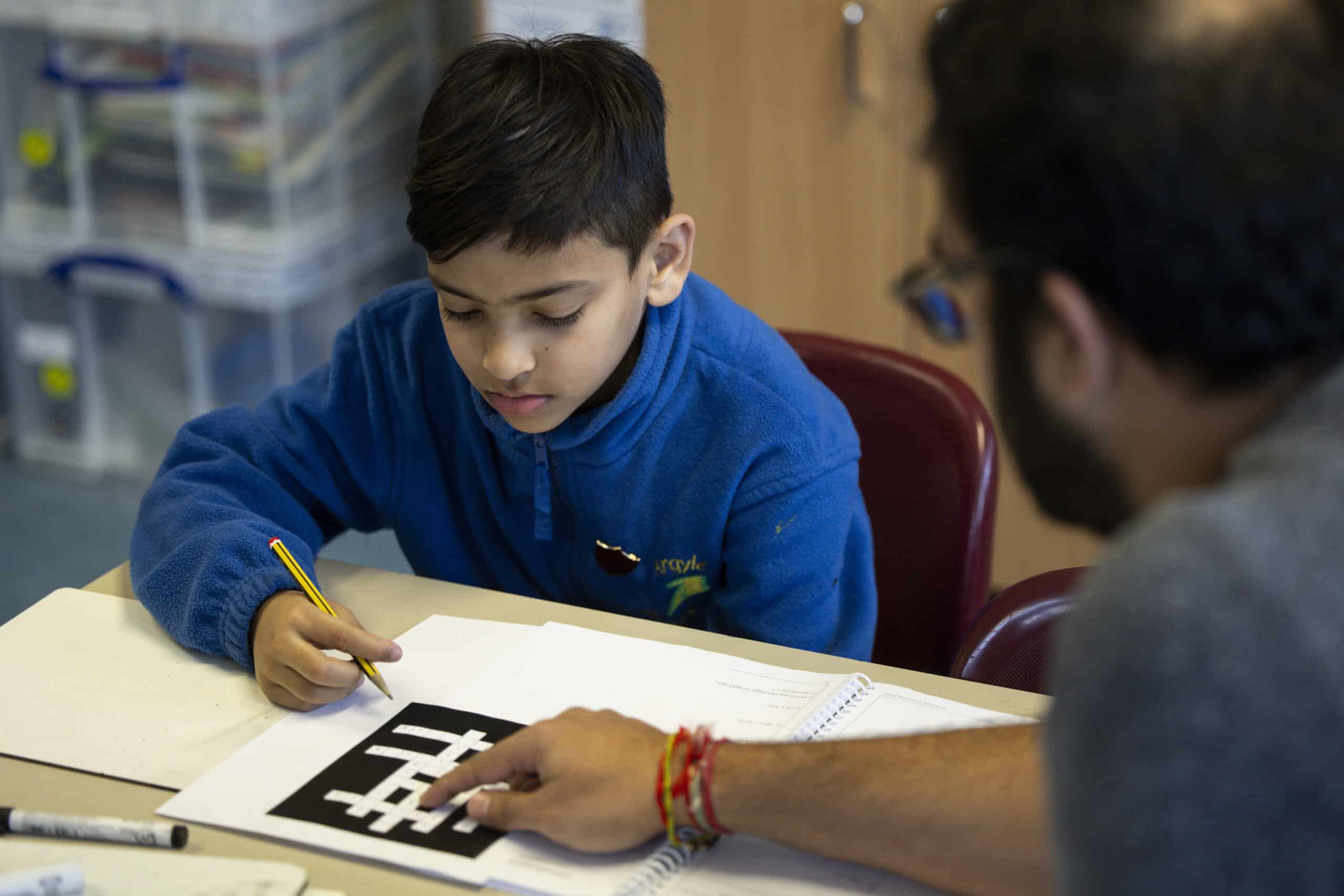
London continues to lead the pack, with 45% of pupils receiving private tuition compared to 27% in the rest of England. This “London effect” causes an environment where tutoring is no longer an “extra” for struggling pupils, but an expected norm for the ambitious.
The report also highlights urban vs rural disparities, with 33% of pupils having received private tutoring in urban areas compared to just 19% in rural areas.
Tutoring as the ‘great equaliser’
At Action Tutoring, we have always believed that tutoring should be the ‘great equaliser’, not the great divider. This research from Sutton Trust reinforces the efficacy of the model: one-to-one and small-group tuition works. It builds confidence, plugs specific learning gaps, and provides the tailored support that even the best-resourced classrooms often cannot provide.
“We are about halfway through the [Action Tutoring] programme now and I can see improvements in the children’s ability but also in their confidence. The small groups allow the children to experience very targeted and personal support, something that I cannot offer (no matter how much I want to or try to) as a class teacher.”
Louise Glover, Year 6 class teacher at St John Evangelist Primary School in London
A call for systemic change
The Sutton Trust report makes several critical recommendations that we, at Action Tutoring, wholeheartedly support. Most importantly is the need for a permanent, government-backed commitment to a state-funded tutoring programme that specifically targets disadvantaged pupils.
We need to move toward a future where high-quality tutoring is integrated into the school day for those who need it most, rather than being an expensive tool available only to those who can afford it.
Looking ahead
The Private Tutoring 2026 report is a wake-up call. We cannot allow a two-tier education system to become the permanent status quo in the UK.
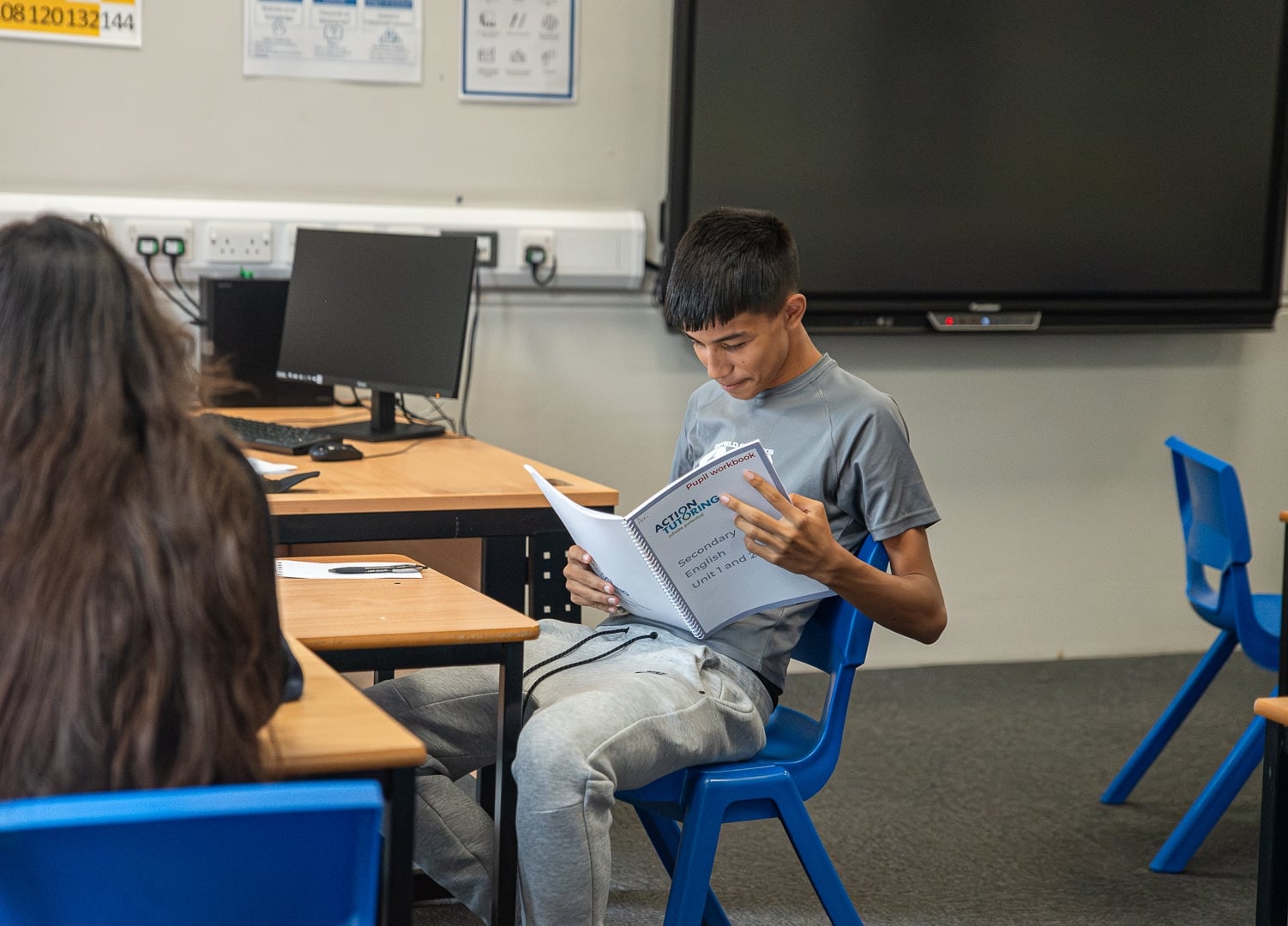
At Action Tutoring, our mission has never been more important. We know that when we provide a volunteer tutor to a Year 11 pupil who is facing disadvantage, we aren’t just helping them with exam skills; we are restoring the balance across to society and changing futures.
Education should be the engine of social mobility. But, as this report shows, if we don’t act now to make tutoring accessible to all, that engine risks becoming a vehicle for the few. It is time we ensure that every child, regardless of their background, has the opportunity to have a tutor in their corner.
Get involved
Related content
A warm welcome to our two new trustees: Nick Brook and Richard Mann
18 March 2026
We are delighted to announce the appointment of two exceptional new trustees to our Board: Nick Brook and Richard Mann.
As Action Tutoring continues our work to narrow the attainment gap for disadvantaged young people, we are thrilled to bring these new perspectives to our leadership. These appointments come at a pivotal time for the charity, as we deepen our school partnerships and explore how emerging technologies, like generative AI, can help us scale our impact.
Our trustees are vital in ensuring our mission remains focused and our strategy remains robust. By combining high-level policy expertise with sector leadership and cutting-edge tech experience, our new trustees will help us navigate the evolving education landscape with confidence.
“I am thrilled to welcome Nick and Richard to the Action Tutoring Board. We were specifically looking for leaders who could help us strengthen our impact within the state school sector and think strategically about the future of tutoring. Both bring incredible expertise and a shared, deep, personal commitment to educational equity. I look forward to working closely with them as we write the next chapter of our story.”
Jen Fox, Action Tutoring CEO
Meet our new trustees

Nick Brook, CEO of Futures For All
Nick joins our board with over 25 years of experience across the education and public sectors. Currently the CEO of the social mobility charity, Futures For All (formerly Speakers for Schools), Nick was previously Deputy General Secretary of the National Association of Head Teachers (NAHT). In 2022, he served as the independent chair of the Department for Education’s Strategic Tutoring Advisory Group, advising Ministers on how to maximise the impact of tutoring for disadvantaged pupils.
Prior to this, he ran his own successful educational consultancy and held senior civil service positions, including at Ofsted, the Home Office, and the Teacher Training Agency. Nick started his career as a primary school teacher, working in disadvantaged schools on the south coast of England
“I have long believed in the transformational power of high-quality tutoring to close attainment gaps, and I have admired Action Tutoring’s evidence-led impact for many years. I’m delighted to be joining the Board and supporting a charity whose mission so clearly aligns with my commitment to educational equity and opportunity.” – Nick Brook

Richard Mann, CEO and founder of nerdle
As AI continues to transform the way we live and learn, Richard Mann joins our Board to provide strategic oversight of our digital development. His expertise will help us explore how AI can be developed to ensure thousands more young people can access our support and ensure we remain at the forefront of effective, ethical educational intervention in a digital age.
“I’m excited to join Action Tutoring at such a pivotal time. The charity’s evidence-based approach has already demonstrated remarkable impact for disadvantaged pupils. I believe AI has the potential to build on this foundation and significantly expand the charity’s reach. I look forward to helping the team tackle this challenge, ensuring even more children can benefit from the opportunities that specialist tutoring support can offer.” – Richard Mann
Why these roles matter
At Action Tutoring, we are continually reflecting on how to make our tutoring more effective and accessible.
- Policy and advocacy: With Nick’s extensive background in government policy and tutoring strategy, we are better equipped to champion the importance of tutoring on a national stage.
- Future-proofing with AI: Having Richard’s expertise in AI will provide us with essential experience as we embark on our pilot of AI tutoring, ensuring we explore and invest in the right opportunity for our pupils.
We are immensely grateful to all our trustees for giving their time and expertise to support our mission. Their guidance ensures that we can continue to provide the highest quality support to the young people who need it most.
Maths modelling in action
12 March 2026
What is modelling in maths? We spoke to Action Tutoring’s Maths Curriculum Coordinator, Jen Thomas, who explains the process and how we adopt it across our curriculum. We also find out more about her role at Action Tutoring.
Modelling explained
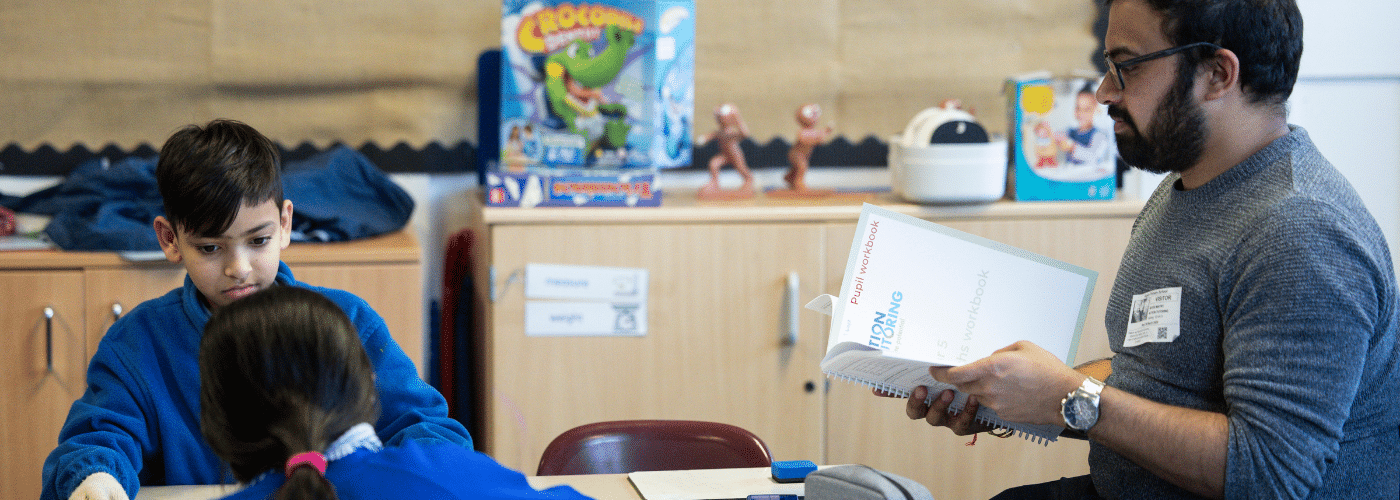
Modelling is where a teacher or tutor shows a pupil how to do something whilst sharing their thinking behind the process at the same time.
- Effective modelling is carefully structured and explicit, building step by step to reduce cognitive load.
- The modelling process should gradually move from the tutor to the pupil, building independence over time.
- AT supports tutors to model in this way through the ‘I do, we do, you do’ structure (which you can find within our workbooks and templates).
How Action Tutoring implements modelling across its tutoring programmes and curriculum
Tutor-led activities are where the tutor starts modelling, demonstrating each of the maths steps required to solve a problem. The following three terms indicate tutor-led activities in our workbooks – and where a tutor will need to take the lead:
- ‘Tutor worked example’.
- ‘I do’.
- ‘Work with your tutor’.
Delivering an effective tutoring model
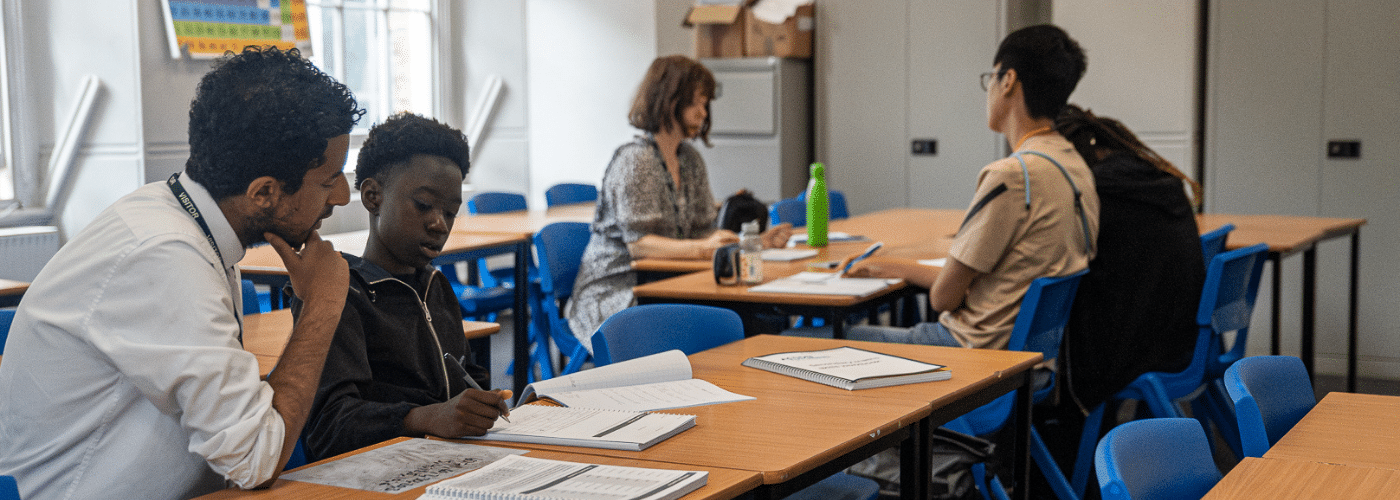
There are three key aspects to delivering an effective tutor model:
- Write down each step of your working out.
- Provide simple visuals to help pupils follow the reasoning.
- Think aloud and use verbal questioning.
Additionally, once you have delivered the ‘Tutor worked example’, or ‘I do’, the next step is ‘we do’. This involves encouraging the pupil to try one for themselves whilst you are on hand to guide and support them.
Overall, this gradual handover reduces pupils’ cognitive load, enabling them to be successful in a low-stakes environment.

What key things do tutors need to consider with modelling?
- Remember it is really important as a tutor to adapt to the needs of the pupils you are working with.
- If they are stuck or struggling to progress independently, ensure you provide extra models – i.e. an ‘I do’ or a ‘we do’.
- Once pupils show they’re ready, only then move to the independent modelling.
- Finally, remind pupils mistakes are part of and occur during learning and by doing some more ‘we do’ examples you will succeed together.
Hone your skills
Interested in developing your modelling practice? Check back on our website and socials to sign up to the next Bright Ideas Live Workshop this spring focusing on maths modelling.
In addition, have you seen our really helpful maths tutor demonstration videos? These help Year 6 and Year 7 maths tutors to prepare for their first ten tutoring sessions. They include showing you how to complete the ‘I do’ activities (where you will model the maths to your pupils).
Check out the videos below (you can also get the full playlist via our YouTube channel).
Follow our socials
For more updates on our work, follow us on social media via the channels below.
Sofie: Gaining belonging and joy through tutoring on International Women’s Day
9 March 2026

From feeling like an outsider, to gaining belonging and joy through tutoring, as part of International Women’s Day, Action Tutoring volunteer Sofie describes her eventful education experience.
Sofie remembers the moment which “completely crushed” her. Pulled aside after one of her A Level lessons, she received devastating feedback.
“My teacher told me, ‘I’m just not sure you can keep up with the boys’,” Sofie says. “I already had fairly low confidence. Maths was one thing I felt good at, where I could relax, enjoying school, even when everything else was difficult. At the time, the comment made me question something which felt part of my identity.
“Given I was thinking seriously about my university options and had long planned to study a maths degree, hearing my teacher suggesting I select an easier subject really knocked me. Instead, I researched courses with lower entry requirements, assuming my dreams were no longer possible.”
Support from Sofie’s parents and a “fantastic, really passionate, female maths teacher” helped put those comments in context, she says.
Working today as a digital product designer at NatWest Group, Sofie reflects on how far she has come from that uncertainty.
Tutoring lifeline
Earlier in her school years, classroom chaos had already affected Sofie’s confidence. She says: “Chairs were thrown around the room. During that time, I shut down, losing love for maths and learning.”
Positivity increased when, at 14-years-old, Sofie’s parents found her a tutor; kickstarting her tutoring journey. Sofie says: “My tutor helped me fall in love with maths again. Back then both my parents and my tutor understood tutoring wasn’t about improving grades for me – it was to help me slowly rebuild my confidence and relationship with maths. Tutoring provided the right support at the right time.”
Exploring maths ideas not on the syllabus, and working with numbers, patterns and problem solving without pressure or judgement, Sofie says this tutoring experience was vital. Aged 17, Sofie returned to tutoring during her A Levels, where she says one-to-one support helped her remain calm and manage increased pressure.
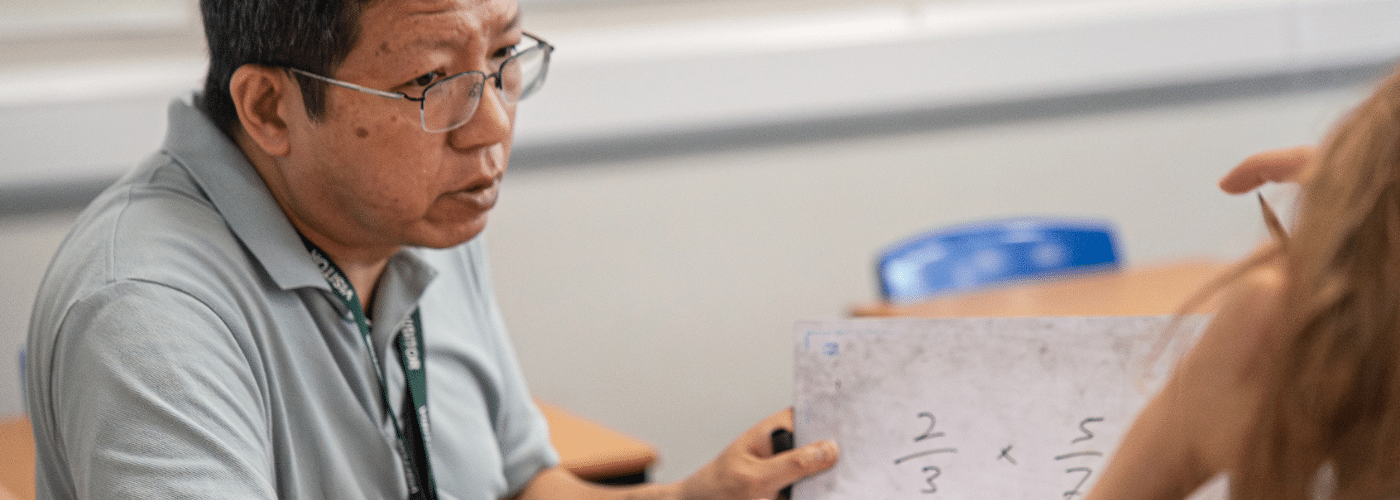
“It’s unbelievable how one hour of tutoring per week helped,” Sofie says. “Exam pressure really overwhelmed me. Thankfully, my tutor helped make learning fun again. Tutoring enabled me to ask questions and build understanding at my own pace.”
With her teacher, tutor and parents’ encouragement, Sofie applied to study maths at the University of Sheffield. She adds: “I got accepted and it was one of my best ever decisions.”
Empowering girls through Action Tutoring volunteering
So where is Sofie on her tutoring journey today? Her personal experience has supported her own progression, and empowered her to give back. Joining Action Tutoring in October 2024, Sofie has tutored on several Year 6, Year 10 and Year 11 maths programmes. A charity supporting pupils from disadvantaged backgrounds with their English and maths education, Action Tutoring’s cause resonated with Sofie.
Sofie says: “When I discovered Action Tutoring, I knew I’d found a purpose. I could support young people who really needed tutoring help but weren’t as lucky as I was. Not every child has parents who can secure tutoring so it felt right to help.”
So how has Sofie found her tutoring sessions? She says one particularly memorable experience tutoring two Year 11 female pupils last year remains strong. “They were initially both very hesitant to speak up or attempt questions,” Sofie says. “Unless they felt they had the right answer, they’d stay quiet or giggle to avoid embarrassment.”
Encouraging the pupils to discuss their thinking, Sofie says this inspired change.
“By responding positively to one of the girls answering a question, I saw her confidence grow immediately,” she adds. “This meant they both gradually started answering questions more freely without anxiety, explaining their thinking, and asking questions without worrying about being wrong.
“Seeing this incredible real life impact has stayed with me. It inspired me to continue tutoring. It reinforced tutoring goes beyond improving results, it’s helping pupils, particularly girls, feel confident and capable in the world, and that they belong in any room.”
Meaningful maths
This experience underpins the foundation Sofie believes she received in maths and in tutoring itself. As a woman working within the science, technology, engineering and mathematics sector, the tutoring environment Sofie experienced as a teenager then simultaneously played a “pivotal part” in being accepted onto the NatWest Technology Solutions internship and graduate programme.
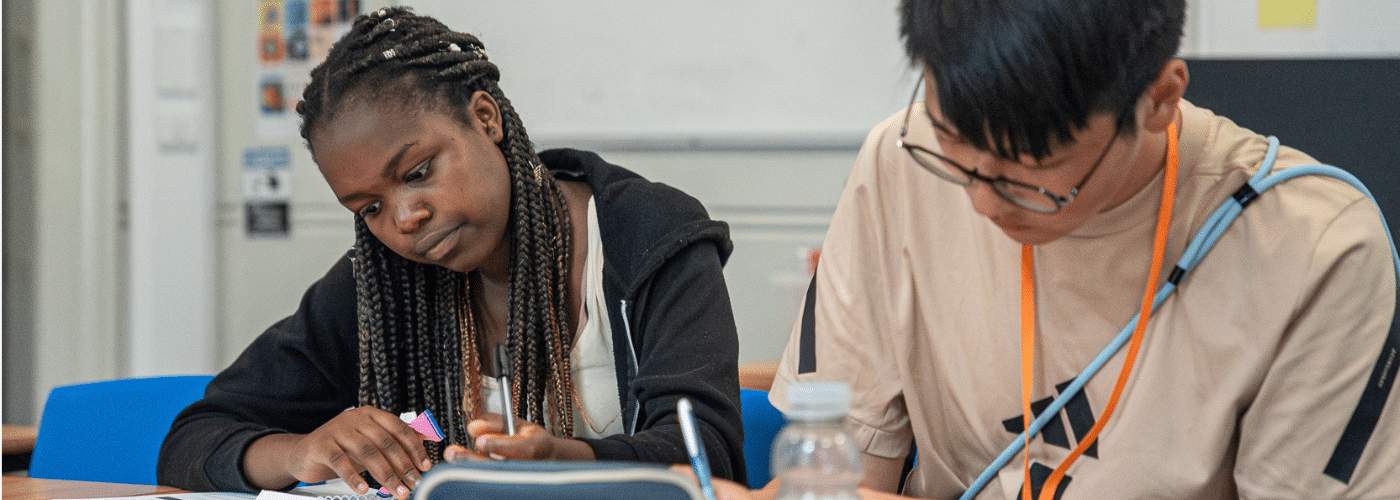
Sofie says: “Instead of focusing on what I should already know, my school tutor emphasised curiosity and understanding why things worked. By stepping outside the syllabus and making maths enjoyable, my confidence naturally returned. This mindset has really helped me in employment, where I adopt different approaches and apply transferable problem-solving skills useful far beyond the classroom.”
Being grateful for this rich experience, how does Sofie feel this has influenced her tutoring?
“I consistently focus on creating a calm, supportive environment where pupils feel safe asking questions,” she adds. “I also reward pupils for showing their thinking, reminding them mistakes are part of learning.
“I’m mindful someone can be capable while still doubting themselves, so when I tutor, I work on confidence, encouraging pupils’ curiosity, as much as maths itself. Enabling pupils to see they belong in maths and can succeed feels vital, because I personally know how powerful that belief is.”
Skills through signing up
It’s not only giving back to pupils through tutoring for Sofie. It’s also how much volunteering has helped develop Sofie’s own skillset. “Tutoring has sharpened my awareness of how confidence shows up, or not, in groups,” Sofie adds. “I’ve applied this knowledge when mentoring junior designers and graduates at work. Drawing on my tutoring experience, I’ve tried to create safe one-to-one or small group spaces where colleagues can share ideas in a less pressured way, while celebrating their work and reinforcing their contributions so they feel confident and valued.”
And how much does Sofie recommend tutoring to those considering signing up?

Volunteer now
By signing up, volunteers can tutor either online or in person for just an hour a week (no previous tutoring or teaching experience is required).
Follow our socials
For more updates on our work, follow us on social media via the channels below.
The AI revolution: equity in tutoring
4 March 2026
At Action Tutoring, our vision is simple: ensuring that a young person’s background does not dictate their future. For over 14 years, we have seen the transformative power of a dedicated tutor through engagement and a targeted curriculum.
While our volunteer model has a proven, life-changing impact, the sheer scale of the attainment gap requires us to think bigger. There are currently 2.2 million pupils in receipt of Free School Meals in the UK today who could benefit from our support.
That is why, in autumn 2026, we are launching an ambitious new pilot of AI tutoring, to bridge this gap, independent of the work announced by the Department for Education in January 2026.
We’re interested in how an AI tutoring model which keeps ‘humans-in-the-room’ can combine the ‘personalisation power’ of Generative AI with the ‘engagement power’ of human relationships.
Personalisation at scale

Research consistently shows that ‘personalisation’ is the secret weapon of tutoring. For that reason, the ability to find a pupil’s specific learning gap and bridge it with tailored feedback is something it’s impossible to replicate in a standard classroom.
Generative AI offers extreme personalisation. In essence, when harnessed correctly, it can scaffold instruction and provide instant feedback at a level of precision that was previously a luxury of those who could afford private tutoring, or those who could access it through an intervention like ours. We believe AI tutoring has the potential to transform attainment for those facing disadvantage, which in turn could substantially reduce the attainment gap.
Closing the new digital divide
Innovation in education is all too often a luxury of the rich. Currently, private school pupils are benefiting from Generative AI at triple the rate of their state-school peers. Action Tutoring refuses to let AI become yet another barrier that widens the gap between the ‘haves’ and the ‘have-nots.’
Therefore, by piloting an AI-delivered model, we are democratising access to the world’s most advanced learning tools. Our commitment to equity underpins the moral argument for Action Tutoring to pursue this pilot.
The ‘human-in-the-room’ model
A decade of evidence-building has taught us that for young people facing disadvantage, tutoring is as much about engagement and relationships as it is about pedagogy.
We aren’t going to sit pupils in front of a screen and walk away. Our pilot is built on a ‘human-in-the-room’ design. And it’s not just us that recognises the importance of this: three of the four published randomised controlled trials about AI tutoring specifically include a human element in their design and all show evidence of promise.
In practice, for us, this means:
- The AI tutor delivers the Action Tutoring-tailored curriculum we’ve refined over many years and provides real-time feedback.
- The Tutoring Coordinator (a synchronous human presence) supports pupil engagement, manages the technology, and provides the relational encouragement that no algorithm can replicate.
We are testing the optimal human support required to make AI effective for disadvantaged pupils, rather than looking at the technology in isolation.
A note on safeguarding
Our ability to uphold our high standards of safeguarding has been included as a non-negotiable in the criteria that we are using to assess AI tools. We have built up 14 years of safeguarding expertise which will also be integrated into the system and our approach. This includes retaining our human presence as a connection to both the pupils and the teachers on the programme. We will be carefully managing risks and including additional safety considerations in the design phase. This may look different for different tools but could include ‘screening’ or post-session review options. We’ll also be building in guardrails into the prompts so that any tool we use has clear boundaries about what it can discuss and how to manage any difficult issues that pupils raise. Our wealth of training and resources we currently use for our tutors can also be used to train our AI tool.
And what about our existing programme?
We know that for many of our supporters, the ‘human’ in tutoring is what matters most and we agree.
We are not abandoning our volunteer-delivery model. Our volunteers are the heartbeat of Action Tutoring. This AI pilot is an addition to our portfolio, not a replacement. Specifically, we believe AI could significantly expand our reach, allowing us to support thousands more young people in budget-constrained schools who we currently cannot support. Our commitment to our volunteer community remains as steadfast as it was 14 years ago.
What’s next?
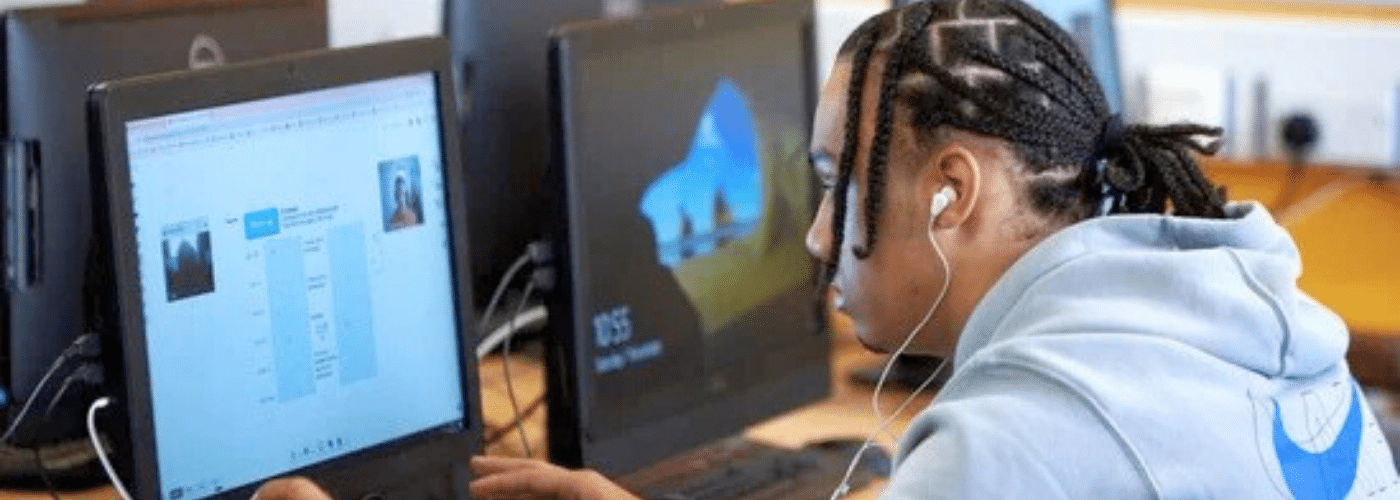
This autumn, we begin our small-scale, mixed-method pilot in around eight secondary state schools across the country. Delivery will follow the same format of our existing high-impact, evidenced-based model and use a safe, Generative AI tool to deliver the tutoring.
We will be collecting both qualitative and quantitative data to understand the optimal structure of the human support required to deliver our curriculum-tailored programme to disadvantaged pupils, through an AI tool.
Additionally, we will begin to build an understanding of the efficacy of AI tutoring for our target population of pupils from both an academic progress and a pupil experience perspective. We aim to test and learn what AI tool functions are required to deliver our model of tutoring.
We are an evidence-based organisation. We won’t rush; we will move thoughtfully and build things that work. In the long run, our goal for 2027 and beyond is to discover how we can unlock the potential of thousands more disadvantaged young people every year.
The AI revolution is happening. At Action Tutoring, we’re making sure it’s an equitable one.
If you’re a school leader who would like to be involved in our innovative new pilot, register your details below.