
Private tutoring in 2026: The new educational standard
The release of the Sutton Trust’s Private Tutoring 2026 report provides a sobering confirmation of a trend we at Action Tutoring have watched with growing concern. The “shadow education” industry in the UK is not merely growing; it is becoming a primary driver of educational inequality.
As the CEO of Action Tutoring, I see the human stories behind these statistics every day. But the data in this latest report demands that we look at the systemic implications. When a third of all secondary school pupils in England and Wales are now receiving private tuition, rising to nearly half in London, we have to ask ourselves: what happens to the children who are left behind?
The growing divide
The report highlights a staggering jump in the prevalence of private tutoring. In 2026, 29% of 11-16 year olds accessed private support, outside of school hours, compared to 18% 20 years ago. While this reflects a natural desire from parents to see their children succeed, it creates an ‘achievement gap’ that tracks directly with household income.
In an era where the attainment gap is wider than it has been in a decade, this is a crisis of social mobility, where a child’s potential is increasingly capped by their parents’ bank balance.
The London effect and regional disparity
London continues to lead the pack, with 45% of pupils receiving private tuition compared to 27% in the rest of England. This “London effect” causes an environment where tutoring is no longer an “extra” for struggling pupils, but an expected norm for the ambitious.
The report also highlights urban vs rural disparities, with 33% of pupils having received private tutoring in urban areas compared to just 19% in rural areas.
Tutoring as the ‘great equaliser’
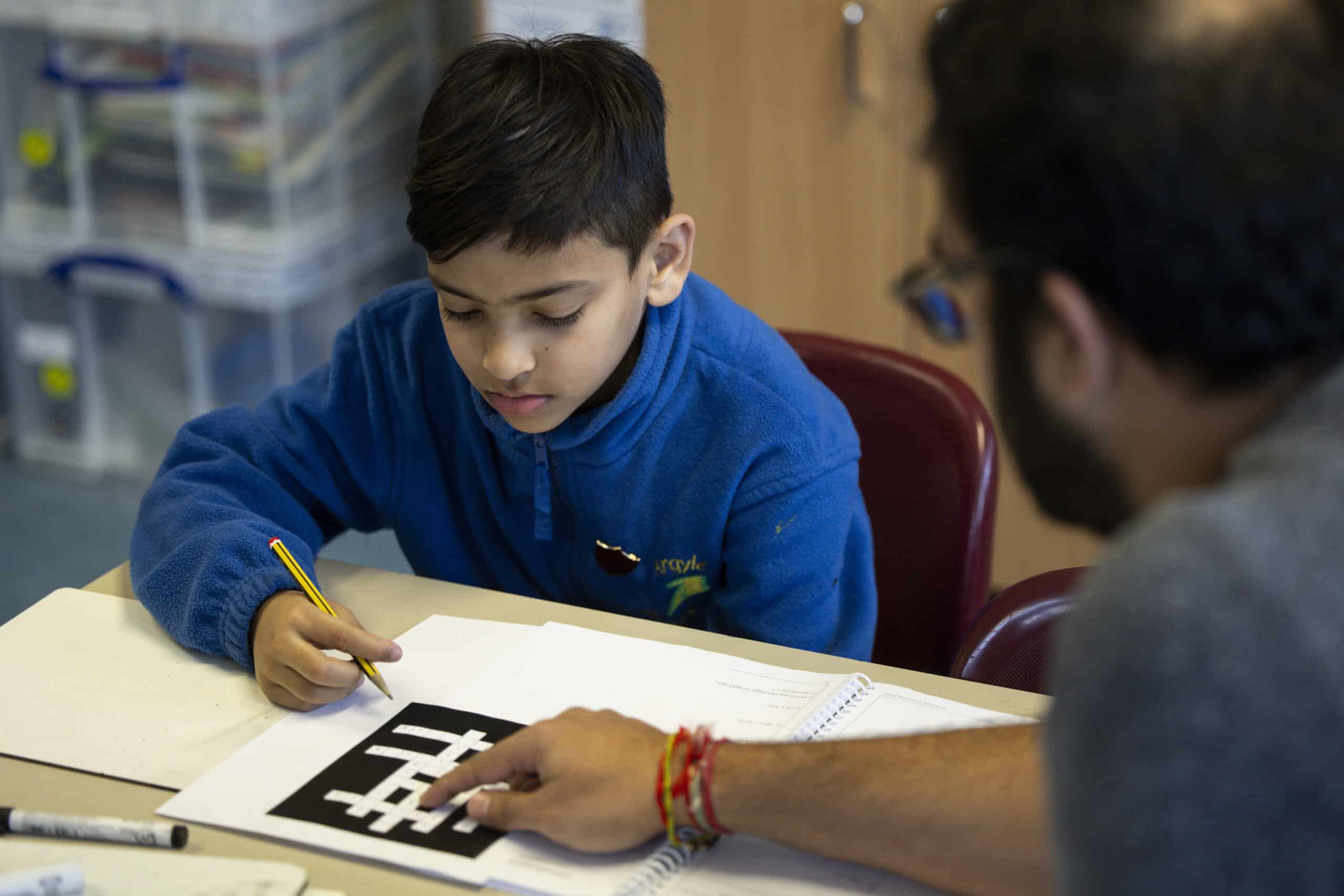
At Action Tutoring, we have always believed that tutoring should be the ‘great equaliser’, not the great divider. This research from Sutton Trust reinforces the efficacy of the model: one-to-one and small-group tuition works. It builds confidence, plugs specific learning gaps, and provides the tailored support that even the best-resourced classrooms often cannot provide.
“We are about halfway through the [Action Tutoring] programme now and I can see improvements in the children’s ability but also in their confidence. The small groups allow the children to experience very targeted and personal support, something that I cannot offer (no matter how much I want to or try to) as a class teacher.”
Louise Glover, Year 6 class teacher at St John Evangelist Primary School in London
A call for systemic change
The Sutton Trust report makes several critical recommendations that we, at Action Tutoring, wholeheartedly support. Most importantly is the need for a permanent, government-backed commitment to a state-funded tutoring programme that specifically targets disadvantaged pupils.
We need to move toward a future where high-quality tutoring is integrated into the school day for those who need it most, rather than being an expensive tool available only to those who can afford it.
Looking ahead
The Private Tutoring 2026 report is a wake-up call. We cannot allow a two-tier education system to become the permanent status quo in the UK.
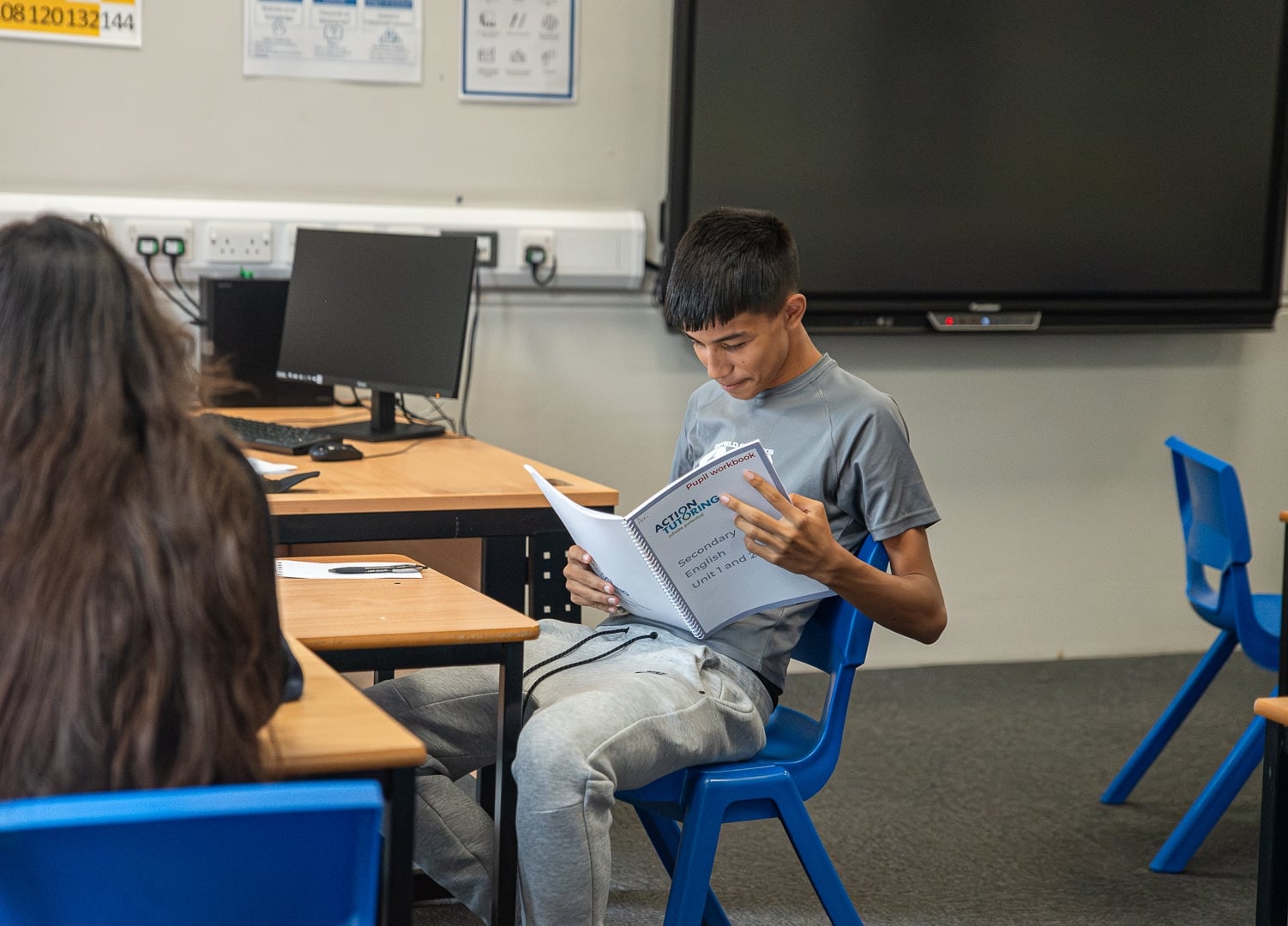
At Action Tutoring, our mission has never been more important. We know that when we provide a volunteer tutor to a Year 11 pupil who is facing disadvantage, we aren’t just helping them with exam skills; we are restoring the balance across to society and changing futures.
Education should be the engine of social mobility. But, as this report shows, if we don’t act now to make tutoring accessible to all, that engine risks becoming a vehicle for the few. It is time we ensure that every child, regardless of their background, has the opportunity to have a tutor in their corner.