
Tackling the NEET crisis: Why GCSEs matter
Every summer, thousands of 16-year-olds across the UK await their GCSE results. It’s the culmination of evenings and weekends of revision, years of hard work and their school life. It’s also a critical turning point that can shape a young person’s entire future – the grades that they receive will determine what opportunities are open to them in further study, training or work.
What is the NEET Crisis?
For anyone unfamiliar with the term, NEET stands for Not in Education, Employment, or Training. It describes young people aged 16 to 24 who, after leaving school, are not engaged with both the education system and the workforce.
When a young person becomes NEET, they miss out on crucial early work experience, skill-building, and personal development. Being NEET is not just a temporary pause; spending extended periods disengaged at this age creates a ‘scarring effect’ that can lead to long-term unemployment, lower lifetime earnings, and poorer mental health outcomes.
According to recent data from the Office for National Statistics (ONS), the UK is facing a growing crisis, with around 1 million young people currently classified as NEET: representing over 13% of all 16–24-year-olds.
Who is most at risk?
The NEET crisis does not affect all young people equally. Data from the Social Mobility Commission highlights a stark divide: young people from disadvantaged or lower working-class backgrounds are more than twice as likely to become NEET (22%) compared to their more advantaged peers (9%).
Why does this gap exist? Socio-economic disadvantage often compounds other barriers. Pupils facing disadvantage are statistically less likely to achieve foundational qualifications, more likely to experience learning disruptions, and often lack access to private tutoring or professional networks.
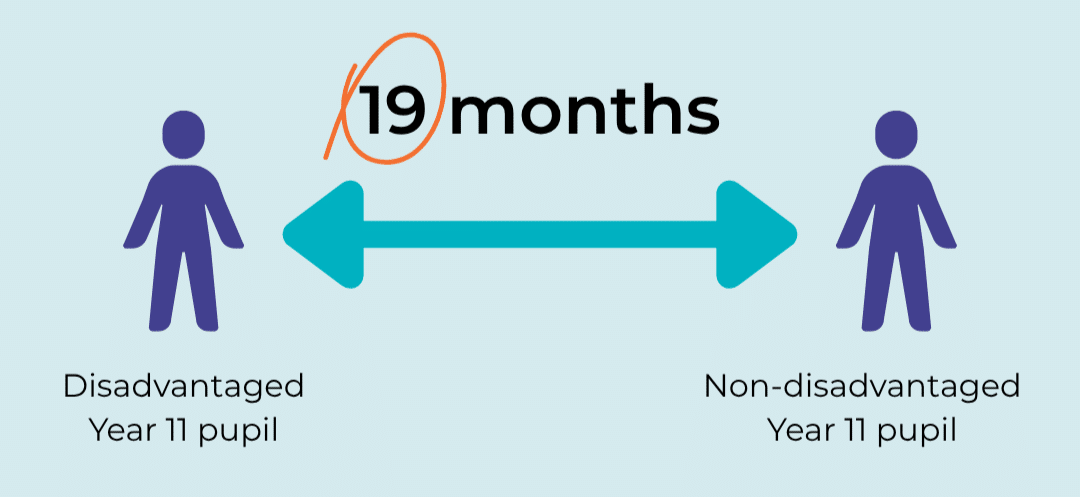
Without intervention, these unequal starting lines at age 16 translate directly into higher NEET rates at age 18 and beyond. The Impetus Youth Jobs Gap report finds that each additional young person who becomes NEET costs the state an average of £244,000 over their lifetime. Implementing three key reforms to reduce NEET numbers would save up to £6bn for the government in the long-term, according to a new report.
The power of the gateway qualifications
So how do we stop young people from slipping into the NEET statistics in the first place? The answer often lies in the core foundations laid at secondary school: securing a pass in GCSE English and maths.
English and maths act as the baseline ‘currency’ for almost every future pathway in the UK. Achieving a grade 4 or above opens the door to A-Levels, T-Levels, vocational courses, and direct apprenticeships.
Without these pass grades, young people face immediate structural barriers:
- Course restrictions: Most colleges and apprenticeship providers require a minimum grade 4 in both subjects for entry onto Level 3 qualifications.
- Compulsory retakes: Pupils who do not pass must resit these exams alongside their post-16 studies, which can drain confidence and lead to further disengagement.
- Reduced employability: Basic literacy and numeracy are non-negotiable prerequisites for many entry level jobs, long-term career progression and financial independence.
Research confirms that qualifications act as a vital shield: every step up the qualification ladder significantly reduces a young person’s likelihood of becoming NEET. Indicators of NEET risk can emerge as early as Year 6, so early intervention is vital, too.

Closing the gap with targeted support
At Action Tutoring, we see firsthand that potential is equally distributed across the UK, but opportunity is not. A pupil struggling with algebra or essay structure isn’t lacking ambition; they often just lack the tailored, individual guidance needed to help the concept click.
This is where high-quality, small-group tutoring makes a transformative difference. By working closely with schools to deliver targeted academic support to pupils facing disadvantage, we give them the dedicated space and time to rebuild their academic confidence, master the curriculum, and secure those crucial pass grades.
Overcoming the NEET crisis isn’t about pushing every young person toward a traditional university degree. It is about ensuring every single young person leaves school with the core literacy and numeracy skills needed to choose their own future.
When we invest in helping a young person pass their GCSEs, we aren’t just improving exam statistics. We are giving them a foundation of confidence, opening doors to meaningful opportunities, and ensuring that no young person is left behind.
GCSE Results Day is fast approaching! We’re excited to celebrate the incredible progress our pupils have made, changing their trajectories. Follow Action Tutoring for live updates, inspiring stories from our pupils and tutors, and expert insights on national attainment outcomes as the results unfold.