
Partnering with a charity in three easy steps
24 September 2025
At Action Tutoring, we know that strong partnerships make a powerful difference. By working together with like-minded organisations, we can reach more young people from low-income backgrounds in need of extra academic support – all while helping our partners engage employees to support their wellbeing and harness their skills to give back and deliver meaningful social impact.
If you’re a business looking to support a cause with real, measurable outcomes, here are three simple steps to partner with Action Tutoring!
Step 1: Find the right fit
Just like any strong collaboration, it starts with shared values.
At Action Tutoring, we’re on a mission to close the academic attainment gap for young people facing disadvantage. We provide high-quality tutoring in English and maths to pupils who need a helping hand—working in partnership with schools, volunteers and organisations across the country.
Our work is evidence-based and focused on making education fairer on a national level, both through our tutoring programmes and advocacy work to ensure that no child is left behind no matter their socio-economic background.
If your organisation shares these values—whether through a commitment to social mobility, diversity and inclusion, or investing in the next generation—we could be a great fit.
Partnering with a charity that aligns with your mission and goals ensures a more authentic and lasting relationship. It also means your support will go further, making a real difference where it matters most.
Step 2: Create a mutually beneficial plan
Once you’ve found the right partner, it’s time to shape a plan that works for both sides.
We know that every organisation is different, so we offer a range of ways to get involved. Our partnerships are flexible, impactful and designed to add value to your team.
Here’s how you can support us:
- Volunteer with us – Encourage your staff to volunteer as tutors for just one hour a week using our structured workbooks and help us to improve social mobility across England, building a diverse talent pipeline for the next generation. Volunteering is a fantastic way to support your employees to improve their wellbeing and motivation at work and develop transferable skills to step more easily into leadership roles – all vital to maintaining performance and retaining staff.
- Fundraise as a team – From challenge events like half-marathons or skydives, to quizzes and escape rooms, fundraising is a great way to engage employees and build team spirit—while supporting a meaningful cause.
- Sponsorship and donations – Whether it’s sponsoring a school programme, funding resources, or making a one-off corporate donation, your financial support helps us reach more pupils. Our funders have an impact that goes beyond simply attaining better grades; they are contributing to building up our pupils’ social skills, cultural capital, confidence, aspirations and opening the doors to brighter futures.


Step 3: Shout about the impact
We believe in recognising and celebrating the difference your support makes.
From the start of our partnership, we’ll provide tailored data, stories and case studies you can share with stakeholders to show the value you’re bringing to communities across the country.
We also love to shout about our partners on social media, in newsletters, and through our website—giving you the opportunity to showcase your social impact to your staff networks and a wider audience.
Want to go further? Join us for a school visit to see the impact in action, or hear directly from the pupils and volunteers who benefit from your support.
Special thanks
We are so grateful to all of our volunteers and partner schools for the support they gave in 2023-24.
Every volunteer helped us to achieve our overall impact.
A big thank you to all of our volunteering partners, particularly the following who sourced the most volunteers for us in
2023-24:
Arup | Civil Service | DAC Beachcroft | Deloitte | KPMG | NatWest | PPP at Sellafield Ltd. | QBE
Special thanks to Burges Salmon and Weightmans for donating monthly office space to our Bristol and North West teams.
Ready to take the first step?
Partnering with Action Tutoring is more than just corporate social responsibility—it’s a chance to change lives, inspire your team and build a brighter future for young people across England.
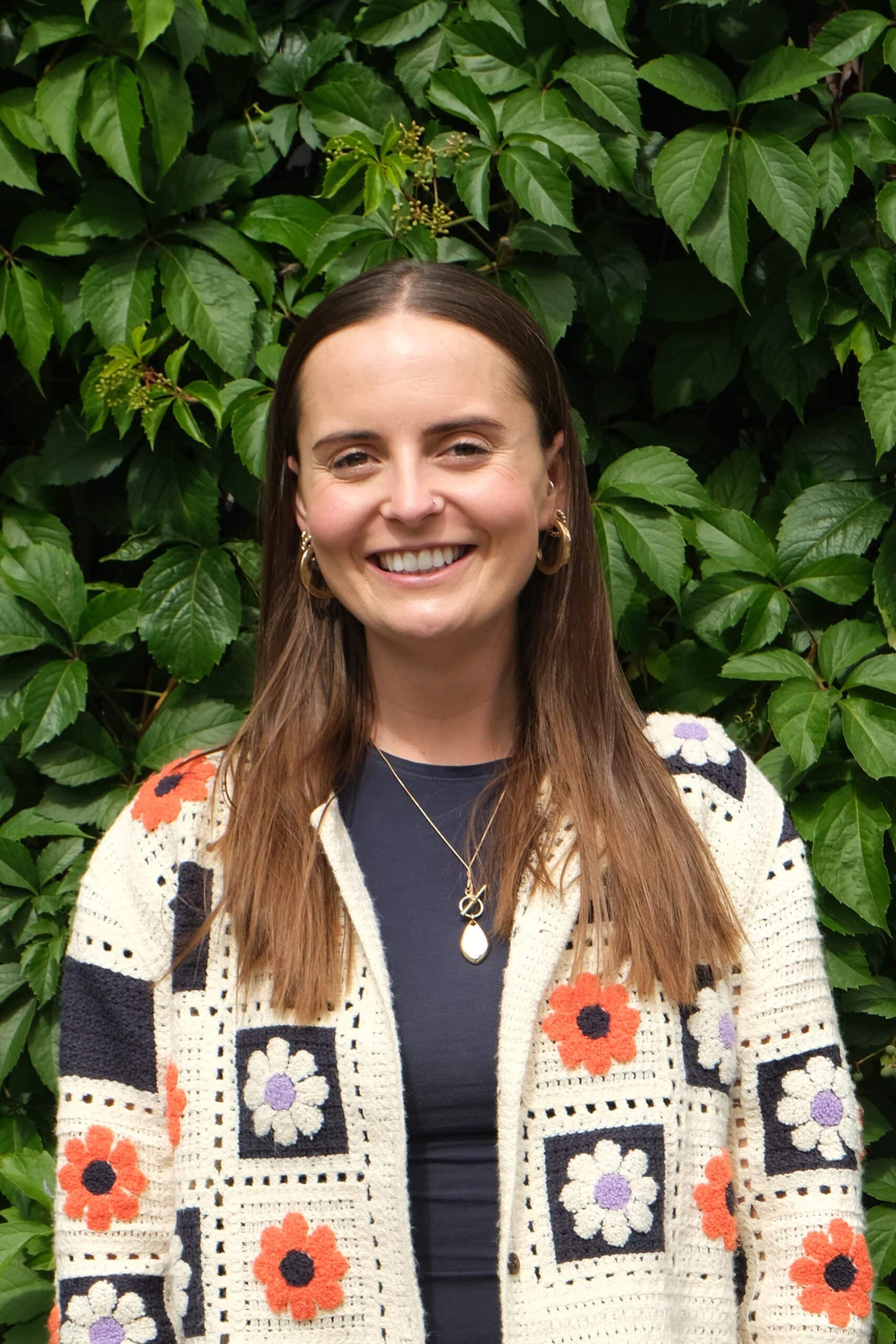
If you’d like to explore a partnership with us, we’d love to hear from you. Get in touch with our Corporate Partnerships Manager, Mollie, to start the conversation.
Together, we can level the education playing field and unlock the infinite potential of the next generation – one pupil at a time.
Making maths count: Call for secondary maths tutors
17 September 2025
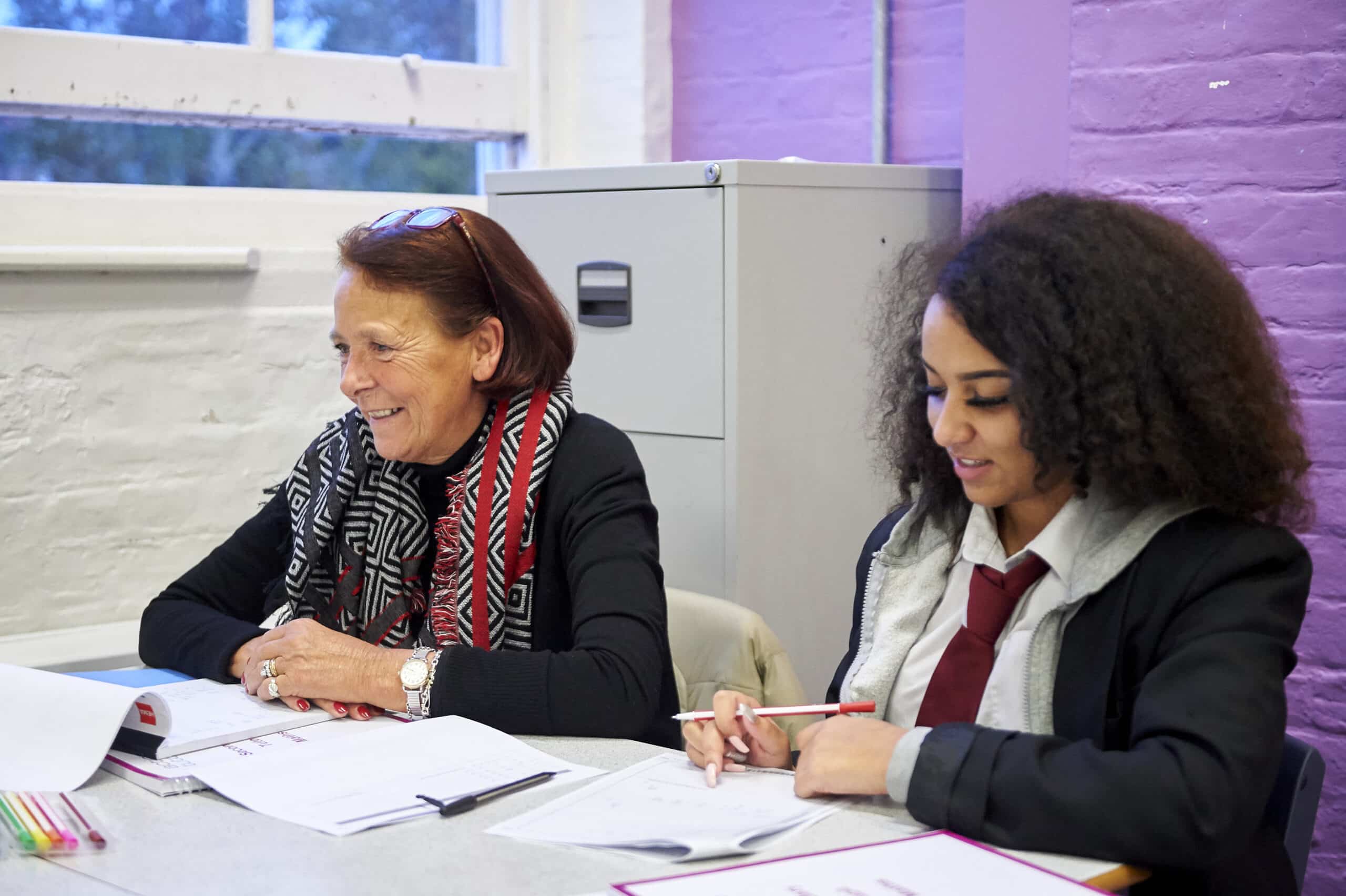
Maths is a gateway subject, opening doors to further education, apprenticeships, and a wide array of career paths. Yet, too many pupils from disadvantaged backgrounds are being left behind in the subject; not due to a lack of talent, but a lack of opportunity and support.
At Action Tutoring, our mission is clear: to close the attainment gap and ensure every child, regardless of their background, has the chance to succeed in school. This term, we’re in a particularly high need of secondary maths volunteer tutors. If this sounds like something you might be interested in, read on to find out more!
One hour a week, huge impact
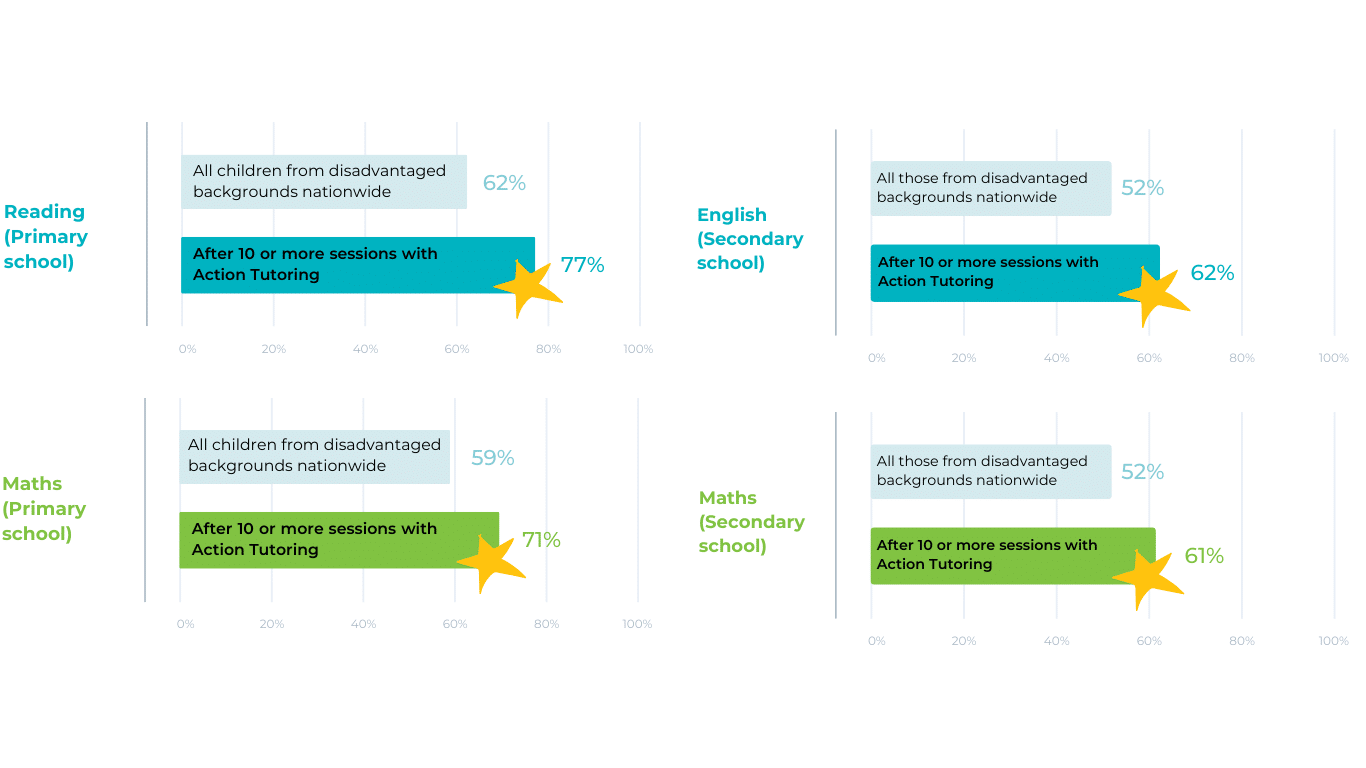
Last year, disadvantaged pupils we supported with just one hour a week of free maths tutoring were 17% more likely to pass GCSE maths compared to the national pass rate for disadvantaged pupils. This isn’t just a statistic; it represents thousands of young people gaining the grades they need to unlock their potential and build a brighter future.

‘Before I started my tutoring sessions, I dreaded maths because I didn’t enjoy it. I found [tutoring] really beneficial because it allowed me to talk with someone and build a connection. If I had any questions, I could just ask them and it wouldn’t feel embarrassing. I feel like it’s beneficial for such students and those who want to do well and aren’t getting it in class.’
Dylan, Year 11 pupil in Bristol
Expert resources and comprehensive support
We understand that tutoring secondary maths, particularly at GCSE level, might seem daunting. But rest assured, you’re not on your own. We provide comprehensive support every step of the way, starting with our high-quality resources.
Our tutor workbooks are carefully structured to align with the curriculum, covering a wide range of topics from algebra and geometry to number theory and statistics. The workbooks contain explanations, example questions, and practice exercises for each session, providing you with a clear roadmap for your tutoring. You’ll never have to worry about creating session plans from scratch!
Take a look at our secondary maths workbook preview:

Beyond the resources, we also provide:
- Comprehensive training: All volunteers receive induction training, covering everything from safeguarding to effective tutoring techniques. We equip you with the skills and confidence to make a real impact.
- Ongoing support: Our dedicated programme coordinators and online support team are always on hand to offer guidance, answer questions, and ensure you feel supported throughout your volunteering journey.
Tutoring from anywhere
We know flexibility is key, which is why we offer both in-person and online tutoring opportunities. Our online programme means you can make a difference from the comfort of your own home, at a time that suits you. This opens up opportunities for volunteers across the UK, connecting them with pupils in any of our partner schools. All you need is a reliable internet connection and a passion for maths!

‘As an online tutor, the support of the coordinators and the tech team are invaluable – and always available. Post-session debriefs and ongoing training modules enable tutors to get together and get to know each other. There is always someone who has dealt with issues before, to offer advice etc.’
Medora, volunteer tutor
Beyond the grades: Building confidence and future prospects
While improving grades is a key outcome, the impact of an Action Tutoring volunteer extends far beyond exam results. Tutors help pupils to:
- Build confidence: Many pupils struggle not just with concepts but with their self-belief. A tutor provides a safe space to ask questions, make mistakes, and celebrate small victories.
- Develop core skills: Beyond maths, pupils gain vital study skills, problem-solving abilities, and the resilience needed to tackle challenges and learn from mistakes in a safe environment.
- See a brighter future: For many, passing GCSE maths is the first step towards college, an apprenticeship, or a career they might not have thought possible. You help unlock those doors.
Join us: Your maths skills can change a life
If you have solid maths knowledge – whether from a degree, A-levels, or relevant professional experience – and can spare just one hour a week, we need you! You don’t need to be a qualified teacher; your clear explanations and patient approach are what truly matter.
Ready to make a difference? Apply or express your interest today.
Curriculum and Quality: Meet Bethan
5 September 2025
Meet Bethan. She’s Action Tutoring’s Curriculum and Quality Manager. We chatted to her about what her role involves and how this influences our organisation’s approach to curriculum and quality for pupils, schools and tutors.
Read on to find out more about Bethan.
What is a day in the life like for you as Curriculum and Quality Manager?
It’s certainly varied. I oversee development of Action Tutoring’s curriculum materials and monitor tutoring session quality. My consistent overall aim here is ensuring tutors are supported and empowered to deliver the best possible sessions to their pupils.
In addition, I work closest with our maths and English curriculum leads. They definitely are the specialist brains behind our wonderful resources. I also work alongside our training manager to ensure we’re responding to tutors’ needs and providing our brilliant volunteers with great learning opportunities.
How long have you been in the team? What role did you have before Action Tutoring?
I joined Action Tutoring in 2022 as a curriculum and training manager. Before that, I was a secondary school English teacher.
What curriculum changes and milestones are you most proud of since you’ve been at Action Tutoring?
I am so proud of our newly developed Year 5 curriculum. The workbooks and session templates are vibrant and fun. Crucially, they target the skills and knowledge our pupils will benefit most from, empowering them to achieve as well as their peers.
What are the key aspects which form a high standard and quality curriculum? Why is it important for pupils, tutors and schools we work with?
It starts with a solid base of research into the skills, knowledge and understanding which has the biggest impact on our target pupils. I believe tutoring is most effective when it reinforces the classroom curriculum. Our curriculum leads enable this by aligning our resources with the national curriculum and with the latest teaching methodologies.
In addition, our curriculum materials are designed with tutoring in mind. The workbooks contain necessary advice, prompts/questions and techniques tutors need to deliver sessions most engagingly and effectively. The curriculum team also commits to continuous improvement which is reflected in regularly updating our resources, so they meet our pupils’ needs.
And finally, what do you like to get up outside of work?
As a former English teacher, I’m still an avid reader. It’s my go-to pastime between working and being a mum to a very active little person! I’m lucky enough to work from home and am based in beautiful South West England, so I try to explore the countryside as much as possible.
Developing our curriculum
Want to find out more about how we develop our curriculum behind the scenes?
Partner as a school
Ready to partner with us as a school? If you’re interested in finding out more on how we work with Year 5, 6, 7, 10 and 11 English and maths pupils, check out our page below.
Beyond the grades: How tutoring builds confidence and changes lives
1 September 2025
For many pupils, the pressure to get good grades can be immense. Tests, exams, and academic targets often feel like the be-all and end-all of their school journey.
While these grades are undeniably important for opening doors to future opportunities, there are other parts to the story. At Action Tutoring, our work goes “beyond the grades” to foster a love of learning and, most importantly, to build the confidence that can change a young person’s life forever.
The reality for many pupils facing disadvantage is that they have less access to private tutoring or other tools that can make a huge difference. This can lead to a lack of confidence in their abilities, especially in subjects like maths and English.
“Before I started my tutoring sessions, I dreaded [maths] because I didn’t enjoy them. But my tutoring sessions were amazing and really helped boost my confidence in maths.”
– Dylan, Year 11 pupil in Bristol
When a pupil falls behind, they can start to feel isolated and believe that the subject simply isn’t for them. This creates a cycle where low confidence leads to poor performance, which in turn reinforces their lack of self-belief; a vicious cycle that can have a lasting impact long after they leave the classroom.
This is where a volunteer tutor comes in. By working with a small group of 1-3 pupils for an hour a week, you can break that cycle. It’s not just about teaching a formula or correcting a comma; it’s about providing a safe space where a pupil feels comfortable asking questions without fear of judgment. It’s about celebrating small victories, whether it’s finally understanding a tricky maths problem or writing a creative paragraph that they’re proud of. This consistent encouragement and positive reinforcement are the building blocks of confidence.
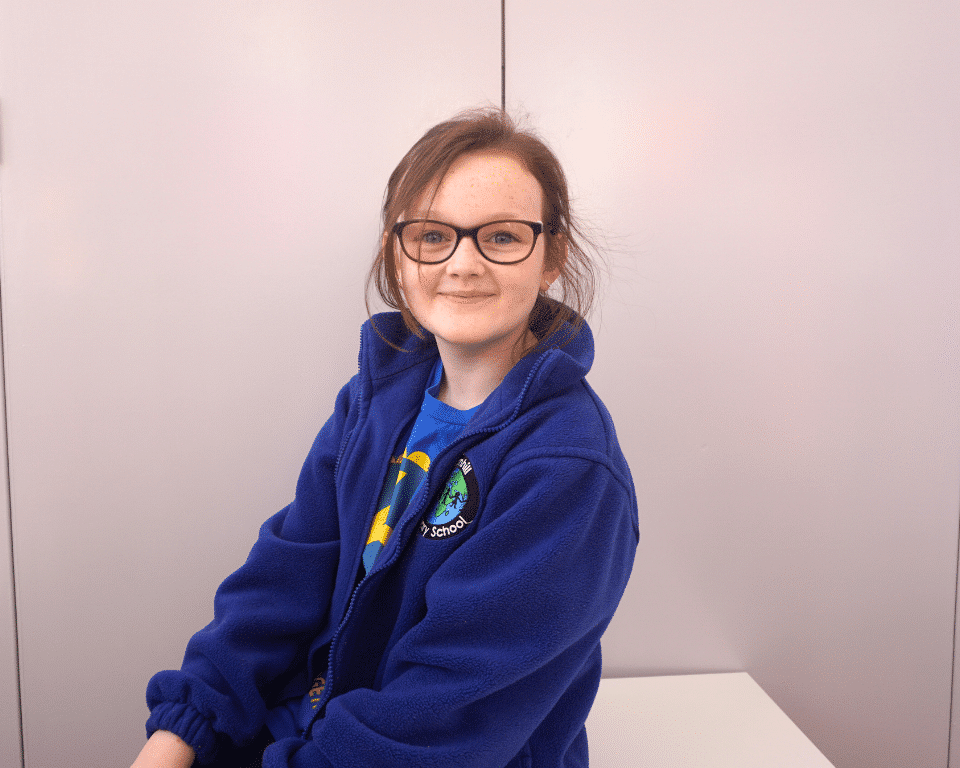
“If a teacher asks a question and says “if you want to answer, put your hand up”, if no one puts their hand up he’ll just choose someone and then I’m just hopeful for him to not choose me. With tutoring, it helps you because you’re not just sat there, because you get more attention. I feel like when there’s a big class you don’t really get more time to sort of think about [your answer], because the rest of the class needs to carry on.”
– Lilah, Year 6 pupil in London
In the 13 years we’ve been operating as a charity, we’ve seen it happen time and again; a pupil who starts their tutoring journey in silence, too shy to engage, transforms over a few weeks. Their teachers report that they begin to raise their hand in class, volunteer an answer, and even start to help their peers. They begin to see themselves not as “bad at maths” or “not a writer,” but as a capable young person with the potential to succeed. This confidence can extend far beyond their school work to their general outlook on life and belief in future prospects.

“It has been so much fun to work with her and I will always remember our conversations. I know she has another job so it has been really huge for me that she would give up some of her time to help me. She has made a real impact on my life that I will never forget.”
– Muhammad, Year 11 pupil in London
The benefits of this relationship aren’t just for the pupils, either. As a volunteer tutor, you play a direct role in creating a fairer education system and closing the attainment gap. But you also gain a huge amount in return.
By explaining complex ideas in a simple, patient way, you hone your own communication and problem-solving skills. By mentoring a young person, you develop your leadership and emotional intelligence. For students and young professionals, this is invaluable, CV-boosting experience that employers actively seek. For retired professionals, it’s a deeply rewarding way to use a lifetime of skills to give back to the community.
The best part? You don’t need to be a teacher to make this happen. All you need is a solid subject knowledge in maths or English, a patient and clear approach, and a desire to make a difference. We provide all the induction training, tutor workbooks, and ongoing support you need to feel confident and effective in your role.

“To someone considering volunteering with Action Tutoring, I’d say give it a go—you don’t need to be a subject expert or a former teacher. The training and resources guide you through everything, and the sessions are very structured. As for time, even one hour a week can make a real difference. Volunteering has sharpened my own thinking and communication skills, and it’s reminded me how valuable one-to-one support can be. It’s also helped me feel connected to younger generations.”
– Janet, volunteer tutor
As we look towards the new academic year, we are in high need of volunteers to start in the autumn term. Your commitment of just one hour a week can provide a child with the confidence to not only pass an exam but to believe in themselves. This October, you have the chance to be part of a volunteer team that doesn’t just tutor how to pass an exam, but truly empowers.
Ready to make a difference?