

Volunteer in schools
When you volunteer in schools, you aren’t just helping with a lesson – you’re opening doors for a young person’s future. School volunteering offers a unique opportunity to share your expertise with the next generation, supporting the development of skills pupils need to succeed – all while developing rewarding new skills yourself, in a dynamic, real-world environment.
Volunteer as a tutorTypes of volunteering in schools
If you are looking to volunteer in a school setting, there are several pathways you can take depending on your skills and how much time you can commit. Here are the most common roles that help schools thrive:
Volunteer tutor
Becoming a volunteer tutor is one of the most high-impact ways to give back. Whether your expertise lies in maths, English, sciences, or humanities, you can provide the individualised attention that a busy classroom teacher might not be able to offer. By addressing misconceptions at the source, tutors help pupils bridge the attainment gap and regain academic confidence.
Reading mentors
Literacy is the foundation of all learning. As a reading mentor, you play a vital role in improving a pupil’s literacy skills. This involves more than just listening to a child read; you’ll provide guidance on pronunciation and comprehension while fostering a genuine love for books through engaging discussions and storytelling.
Mentoring programmes
Many schools facilitate mentoring programmes for pupils who require additional guidance and support. In this role, volunteers serve as positive role models, helping young people navigate academic hurdles or personal challenges. As a mentor, your encouragement can be the turning point that helps a pupil stay motivated and focused on their future.
Sports coaches
For those with a passion for physical education, volunteering as a sports coach is a fantastic way to engage with the school community. You can assist with organising practices, leading training sessions, and supporting pupils during competitive games, helping them develop teamwork and resilience through sport.
Extra-curricular activity leaders
From drama and music to art and coding clubs, schools often look for volunteers to lead extra-curricular activities. If you have a specific hobby or professional skill, you can create enriching experiences for pupils outside the standard curriculum, helping them discover new talents and interests.
Volunteering in primary schools
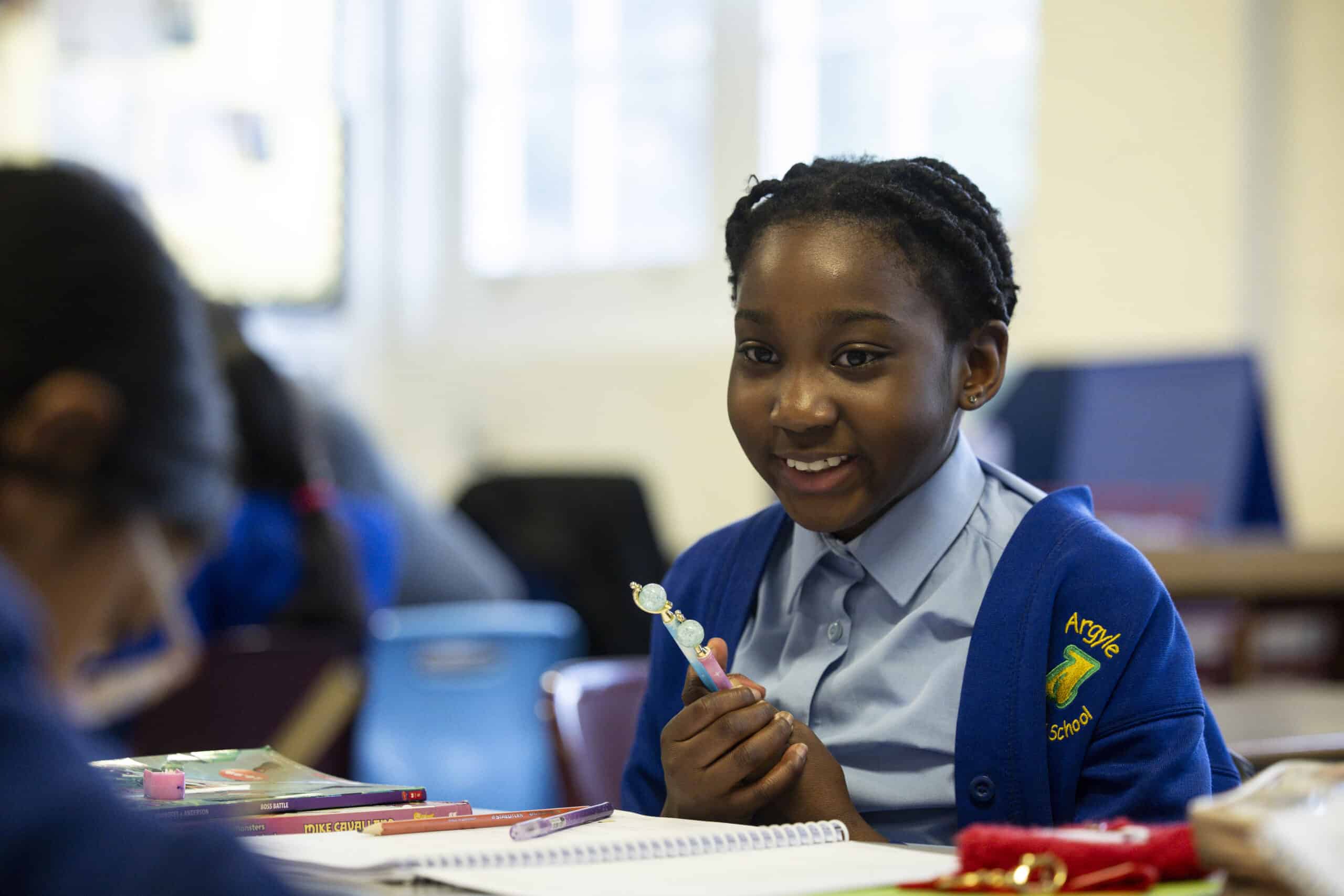
When you volunteer in a primary school, you support children during their most formative years (ages 5–11). This is a critical stage where pupils develop the “building blocks” of their education, focusing on fundamental subjects like English (reading, writing, and comprehension) and maths.
These core subjects form the bedrock of their academic journey and are formally assessed during Key Stage 2 SATs in Year 6. For those with low prior attainment at the end of primary school, the likelihood of reaching a grade 5 “strong pass” remains exceptionally low. By volunteering, you help ensure no child falls behind before they even reach secondary school.
Beyond academic support, primary school volunteering is incredibly varied and rewarding. Depending on the school’s needs, your role could involve creative arts or physical education.
Volunteering in secondary schools
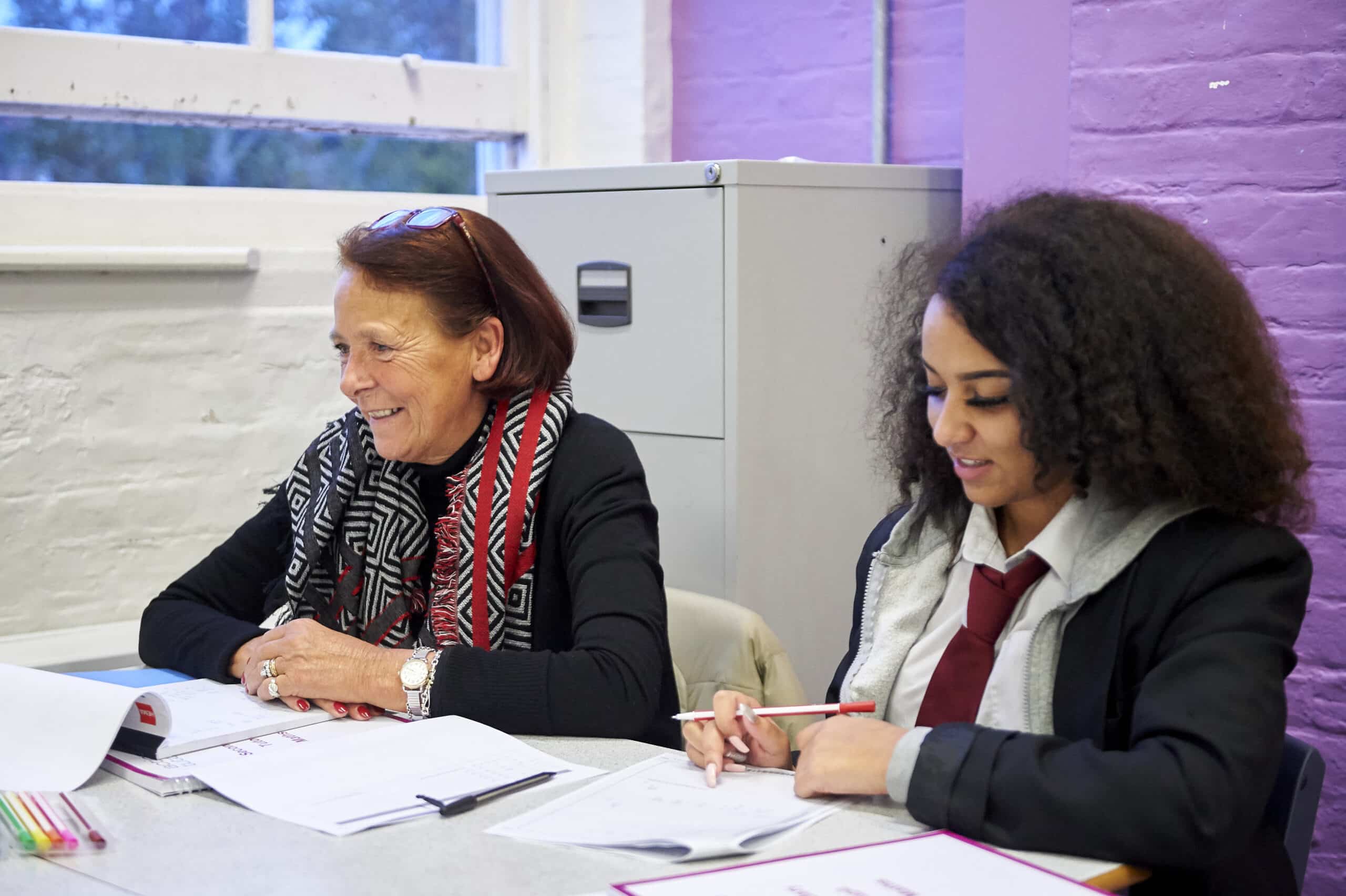
Volunteering in a secondary school involves working with young people aged 11–16 (Key Stages 3 and 4) during a pivotal period of their development. At this stage, the focus shifts toward mastering complex concepts and preparing for GCSE examinations, which are the essential gateway to further education, apprenticeships, and future careers.
For many pupils, the pressure of secondary school can be overwhelming. As a volunteer, your role is to provide the targeted support that helps them navigate this transition. Whether you are helping a Year 11 student refine their GCSE maths problem-solving or supporting a Year 7 pupil with English Language, your presence helps bridge the “attainment gap” that often widens during these teenage years.
Secondary school volunteering opportunities can include subject-specific tutoring, career mentoring, or specialist clubs.
Requirements for volunteering in schools
To ensure the safety and success of their pupils, schools have a standard set of requirements for all volunteers. While specific policies can vary between institutions, you can generally expect the following:
1. Background and safeguarding checks (DBS)
The most critical requirement is a background check. In the UK, this is known as a DBS check (Disclosure and Barring Service). Most schools will require an Enhanced DBS check to ensure your suitability for working with children. You may also be asked to provide character references to vouch for your reliability and professional conduct.
2. Age and maturity
Most school volunteering opportunities require participants to be at least 18 years old. This ensures that volunteers have the maturity required to manage a classroom environment and act as effective role models for younger students.
3. Skills and training
While you don’t always need a teaching degree, some roles require specific expertise:
Safeguarding training: Most schools or charities (including Action Tutoring) will provide mandatory safeguarding training to ensure you understand how to protect the welfare of the pupils.
Academic tutors: Usually need a strong grade (A-Level or equivalent) in the subject they wish to teach.
Sports coaches: May require specific NGB (National Governing Body) coaching certifications.
How to apply for a school volunteering position
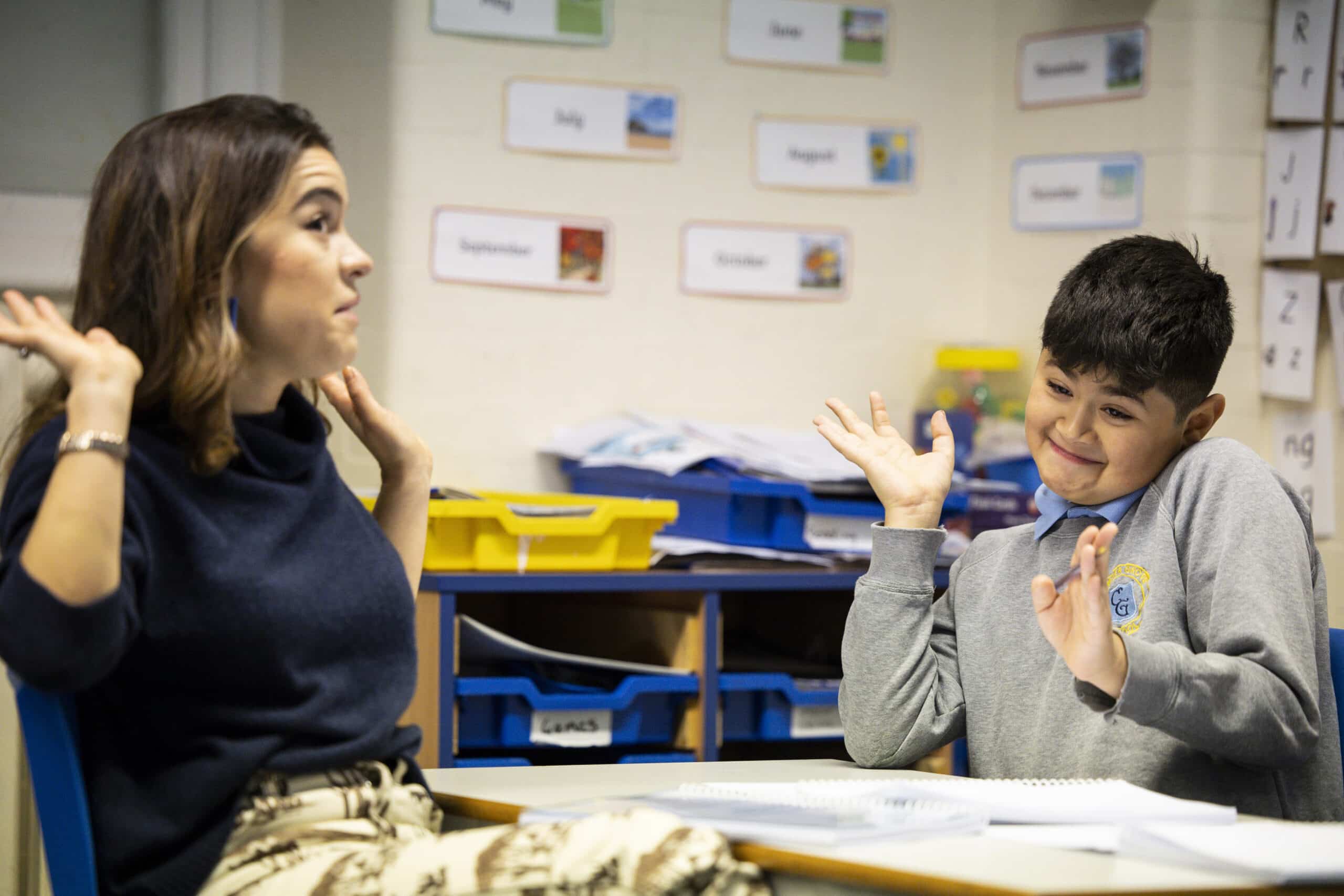
Ready to get started? Applying to volunteer in a school is a straightforward process, but there are three main routes you can take depending on your goals:
1. Apply through a structured volunteering organisation
For most people, the most effective route is to partner with an established charity like Action Tutoring. This is often the preferred method for both volunteers and schools because we handle the logistics for you.
- The benefit: We match you with a local school in need, provide all your teaching resources, and even process your DBS check at no cost to you.
- How to start: Go to our volunteer page to apply, or for other opportunities, simply search for terms like “volunteer mentoring near me” or “sports coach opportunities in [your location]” to find structured programmes that align with your schedule.
2. Contact local schools directly
If you already have a specific school in mind – perhaps one in your local neighbourhood or where you have a personal connection – you can reach out to them directly.
- The process: Visit the school’s website and look for a “community” or “work with us” section. If you can’t find specific details, send a professional email to the school office or the Business Manager, attaching a brief CV and outlining the skills you’d like to offer.
3. Use specialist recruitment platforms
You can also find school-based roles through national volunteering databases. Searching for “children’s sport support” or “literacy volunteering” on platforms like Do IT or Reach Volunteering can connect you with niche opportunities that suit your specific talents.
In summary: why volunteer in schools?
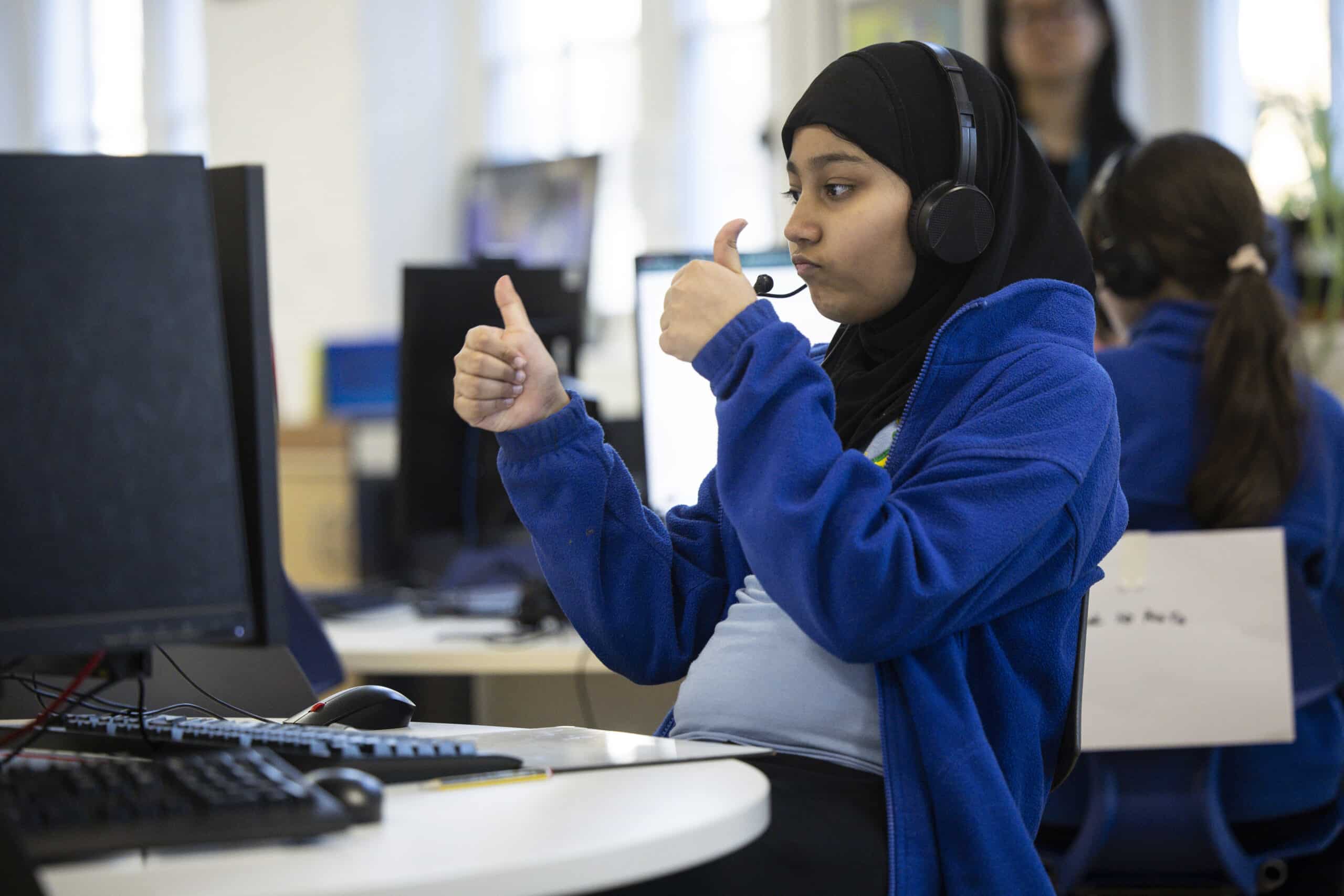
Volunteering in a school is a unique opportunity to turn your spare time into a young person’s future success. If you are still deciding whether to take the leap, here are the most rewarding reasons to get involved:
- Deliver life-changing “aha!” moments: There is nothing quite like the feeling of seeing a pupil finally grasp a concept they’ve struggled with for weeks. In a busy classroom of 30, it is easy for some pupils to get lost; your 1:1 or small-group support provides the “lightbulb moment” that builds their academic confidence for years to come.
- Bring the real world into the classroom: As a volunteer, you bring a fresh perspective and a diverse skill set that goes beyond the textbook. Whether you are a corporate professional, a retiree, or a university student, sharing your “real-world” experiences helps pupils understand why their education matters and how it applies to the careers of the future.
- Serve as a relatable role model: You don’t need to be a teacher to be an inspiration. By showing up consistently, you become a positive role model who motivates pupils to aim higher. Your personal stories of perseverance and accomplishment can give a young person the nudge they need to believe in their own potential.
- Join a community of like-minded change-makers: Volunteering isn’t just about the pupils; it’s about the people you meet along the way. You’ll join a vibrant community of fellow volunteers, teachers, and charity staff who share your values. It’s a fantastic way to build new friendships, share anecdotes, and grow your own professional network.
- Make a tangible, lasting impact: While an hour a week might seem small to you, it represents a massive investment in a child’s life. The academic gains and the boost in self-esteem that pupils receive from tutoring often stay with them long after they’ve left school.
Volunteer in schools with Action Tutoring
Action Tutoring is a national education charity dedicated to closing the attainment gap. We partner with state-maintained primary and secondary schools to deliver high-impact tutoring programmes in English and maths. Our work focuses on critical transition years – Years 5, 6, 7, 10, and 11 – ensuring pupils have the support they need when it matters most.
Our mission is to support pupils facing socio-economic disadvantage. These are the young people most at risk of leaving school without reaching national standards, simply because they lack access to the same resources as their wealthier peers. By providing high-quality tutoring, we level the playing field and give every child a fair shot at success.
Ready to make a difference? Join our community of over 2,000 active volunteers today.