
Conversations with friends: breaking down barriers to volunteering
23 December 2022
Over the festive period, many of us will be catching up with friends and family members. Ever thought that uncle, cousin or great-aunt would make a great volunteer tutor? This is the perfect opportunity to chat to them about getting involved! Read on for our top tips around breaking down barriers to volunteering.
We know that there are plenty of people out there who care about tackling the attainment gap, and would love to support young people to reach their potential. But, many of those people will have reservations about not volunteering. Lack of time, confidence with technology or experience working with children are all common barriers we come across. Our No Barriers campaign aims to tackle those barriers and misconceptions about volunteering as a tutor.
The best way to respond concerns in your network is by talking about your own experience volunteering – and sharing your highlights! To help you navigate these conversations this holiday season, we’ve shared a few common barriers to volunteering as a tutor. Below each one, you’ll find assurances you can provide.
- “I don’t have time to volunteer…”
The time commitment is just one hour a week. 35% of our current volunteers work full-time; our 8am sessions are perfect for fitting in volunteering before work or around your studies. And, our tutor workbooks contain session plans, so there’s minimal preparation time involved!
- “I haven’t worked with children before…”
You don’t need experience working with children, or any teaching experience, to be a volunteer tutor.
We value that our volunteers come from a diverse range of occupations and may not have worked with children before. You’ll be supported every step of the way, with training, resources and in-session support from your Programme Coordinator.
- “I don’t have the right qualifications…”
We look for volunteers with a B grade or above at A-level in either maths or English, or a related subject, and a degree in any subject (or working towards a degree). If you didn’t study A-levels, or go to university, we consider all equivalent qualifications and experience. We’d still love to read your application!
- “I’m not familiar with the current curriculum, so how can I tutor it?”
You don’t need to be. Our maths and English tutor workbooks are carefully tailored to the national curriculum and contain all of the methods and approaches you need to know. We work closely with our partner schools to ensure the content of our workbooks mirrors pupils’ classroom learning.
- “How will I know if I’m making a difference?”
We will keep you updated on your pupils’ progress! We run assessments before and midway through the tutoring programme to assess progress. We also endeavour to capture all final exam results for our pupils.
Action Tutoring’s No Barriers campaign will launch on our social media channels on 26th December. Over the 12 days of Christmas, we’ll be tackling 12 barriers to volunteering – showing how simple it is to get involved, and how well-supported and structured the programmes are.
Our tutoring programmes resume in the new year. With the attainment gap at its widest in ten years and schools struggling because of the cost of living crisis, more and more pupils are in need of our support. To meet the demand, we need more volunteer tutors to join our mission.
Please support us to reach more potential volunteers by liking and sharing our posts on Twitter, Instagram, Facebook and LinkedIn, or sending them directly to friends, family and colleagues.
Action Tutoring honoured with Platinum Jubilee Volunteering Award
21 December 2022
Action Tutoring has been honoured with The Queen Elizabeth II Platinum Jubilee Volunteering Award, recognising the service and impact of our inspiring volunteer tutors on disadvantaged young people across England. This one-off service award was created to mark Queen Elizabeth II’s Platinum Jubilee and 20 years of The Queen’s Award for Voluntary Service (QAVS). The aim is to celebrate fantastic work by national charities and their volunteers to empower young people and provide them with skills and opportunities.
Over the last decade, Action Tutoring has been delivering academic support to disadvantaged young people through the dedication of our volunteer tutors and in partnership with schools. Since 2012, we’ve supported over 26,000 primary and secondary school pupils, with the support of over 11,500 dedicated volunteer tutors.
We are thrilled to have our work recognised by this award, particularly for the incredible service of our volunteers and the impact they have on the young people we support. We simply could not do what we do without them.
Susannah Hardyman, founder and CEO of Action Tutoring
The Jubilee Award recognises 20 national charities whose work empowers young people aged 16-25, with volunteers playing a pivotal role in delivering this. The award submissions were judged over the summer by an expert panel chaired by Sir Martyn Lewis CBE (Chair of QAVS). It included members from each UK nation as well as two youth representatives. His Majesty The King personally approved the 20 awardees, following the panel’s selection.

These awards highlight the indispensable role that the voluntary sector plays in targeting help, advice, and guidance where it is needed most. These awards should also be seen as a tribute to the millions of volunteers and donors who, in difficult times, provide the resources of time and money which contribute so powerfully to the social fabric of our country.
Sir Martyn Lewis CBE, the QAVS Chair
Volunteers are at the core of Action Tutoring’s work and remain an invaluable resource in driving our purpose and impact. We are tackling the stark academic attainment gap by optimising the power of our passionate volunteer tutors to specifically support disadvantaged young people across the country.
Action Tutoring is proud of its diverse pool of volunteers from different backgrounds and between the ages of 18 to 82, including university students, full-time or part-time workers from different sectors of business, and retired professionals. The varied range of volunteer tutors, motivated by their selfless devotion to our mission, bring unique perspectives and experiences to improve the subject knowledge, confidence, and tolerance of the disadvantaged young people they support.
I never expected the sense of pride and accomplishment I would be feeling, not just for myself, but for the pupils experiencing academic progress. This volunteering opportunity has allowed me to contribute meaningfully to the education of young people, which has been so rewarding that I can’t even begin to express my gratitude.
Eve, a university student and Action Tutoring volunteer in Liverpool, said in a recent blog, sharing her tutoring experience.
In spite of the challenging backdrop of Covid-19, Year 6 children eligible for the Pupil Premium supported by Action Tutoring were more likely to achieve the expected standards in their SATs than other disadvantaged pupils across the country — by eight percentage points in both maths and reading — despite being considered at risk of not reaching these standards. This year’s GCSE results showed that 61% of disadvantaged pupils passed their English and 72% of disadvantaged pupils passed maths, after attending at least 10 tutoring sessions with Action Tutoring – notwithstanding being considered at risk of not achieving a passing grade and two challenging years of pandemic disruption.
From Action Tutoring to StreetGames, these 20 charities deliver outstanding work to help give young people the skills they need to grow and succeed. Ensuring young people get the best possible start in life is a priority for me and the Government, and there is no more fitting way to celebrate these brilliant charities than a unique edition of the highest award for voluntary service.
Culture Secretary, Michelle Donelan
Action Tutoring has been working to help narrow the academic attainment gap between disadvantaged pupils and their better-off peers at both primary and secondary levels – which is at its widest for ten years. Tutoring is an intervention with proven impact to help narrow the gap and give disadvantaged young people a stronger head-start in life.
“This award and recognition will help us to reach new audiences and encourage more people to come forward and volunteer their time to help change the future prospects of thousands of young people across the country.”
Susannah Hardyman
Become a volunteer tutor with Action Tutoring and help disadvantaged children improve their academic strength and build a better future. With just one hour a week, you can volunteer to tutor pupils in English or maths at primary or secondary level, online or in-person. No previous teaching experience is required and we will provide you with all the resources you need.
How volunteer tutoring is helping me rediscover my purpose
2 December 2022
“When I grow up I wanna be… A builder? A ballerina? A butterfly?!”
I knew I wanted to be the next Darcy Bussell when I was five years old. Pretty sure I was ‘dancing before I could even walk’. Or is that just what my nan used to tell everyone?
I have recently been fortunate to start volunteer tutoring with education charity, Action Tutoring, through a university placement scheme, teaching GCSE English at a school in Liverpool. As a student at the University of Liverpool, I feel this is a perfect set-up for me.
At first, I was a bit sceptical. I thought a group of 15-year-olds would question whether I was on the right side of the classroom and if I should actually be joining them. As at only 20 years old, I might not seem old enough to be the one tutoring the class. That was my first worry, then came what if I am actually just not good at this at all?
Don’t get me wrong, I did the training and the two-hour Zoom call had my undivided attention, but that is no comparison to sitting in a library with three 15-year-old pupils looking to you to offer them help and guidance. Safe to say, volunteering with Action Tutoring is a test for me to see if teaching is a profession I could genuinely see myself doing in the future. I mean, as soon as you say, “I study English at uni”, the question that usually follows is: “Do you want to be a teacher?”, so I thought I should give it a fair trial.
Of course, the tutoring resources provided by Action Tutoring have been helpful and all I have to do is work through them for an hour each week with assigned pupils. However, I feel like I wanted to provide more than that. I really wanted to walk into that school and change lives. Unsurprisingly it was a bit awkward at first but my pupil group is now doing extremely well. We’ve already come such a long way in the last five weeks we have been working together.
I never expected the sense of pride and accomplishment I would be feeling, not just for myself in keeping it together for over a month, but for the pupils experiencing academic progress. This opportunity has allowed me to contribute meaningfully to the education of young people, which has been so rewarding that I can’t even begin to express my gratitude.

To other undergrads out there, I can offer only words of wisdom based on my experience over the past several weeks.
I advise that you throw yourself into the whole tutoring experience – put time into preparing for the sessions, believe in your ability to teach other people, and revel in a chance to work on your social skills with the teens of today, which is a plus in itself.
Now I definitely don’t want to be Darcy Bussell, as glamorous as she is. Being a builder is out of reach as I complain about grating cheese, hence manual labour doesn’t seem to be the right fit for me. But you never know; when I graduate in eight months’ time, maybe I’ll go down the route of teaching to help young children achieve academic greatness, with a side of “Miss, when can we go home?” in there.
Author: Eve Wickham
Become a volunteer tutor with Action Tutoring and help disadvantaged children improve their academic strength and build a better future. With just one hour a week, you can volunteer to tutor pupils in English or maths at primary or secondary level, online or in-person. No previous teaching experience is required and we will provide you with all the resources you need.
Rekindling the act of generosity to celebrate Giving Tuesday
29 November 2022
When the concept of Giving Tuesday was born in 2012 in New York, the motive was to encourage people to do good and cause a shift towards celebrating radical generosity. Today, it’s blossomed into a global movement that inspires millions of people to donate their time, money, and skills for the greater good of communities in need.
Giving Tuesday falls on 29th November this year, and annually follows Thanksgiving, Black Friday, and Cyber Monday – a peak shopping season of the year – with the hope that charities will gain the attention of people after their shopping sprees to attract donations and volunteer sign-ups.
Everyone has something to give – skills, knowledge, money, time, and their voice among others – towards a cause, campaign, or issue they care about.
However, the success of charitable giving hinges on a range of external factors. When people feel their personal financial situation is good, they are more likely to assist charities with their money and skills. Similarly, if the economy is moving in a positive direction, more people are willing to make more financial donations and give their time to charities.
Over the past year, emerging from a major pandemic, rising inflation and the costs of the war in Ukraine have all affected the cost of living negatively, limiting what people are able to give.
According to Charities Aid Foundation’s (CAF) 2022 UK Giving Report, the trend of fewer people giving compared to pre-pandemic levels seems to have been established. For every month of the year in 2021, the proportion of people making a donation was lower than the equivalent month in 2019. The results from 2022 so far follow a similar pattern of declined levels of giving, with the exception of March 2022 which saw a record monthly donation average in response to the war and refugee crisis in Ukraine.
More cause for optimism
In the midst of external challenges, there is more cause for optimism. Just as we collectively rose to the challenge of the pandemic to find a way, we can support one another and help charities adapt to expand their impact. With the academic attainment gap at its widest in ten years at both primary and secondary levels of education, the demand for tutoring support from schools is continuing to grow. We cannot look on as more disadvantaged children are unable to meet expected performance standards and likely to face limited life chances in pursuing careers.
With your help, no matter how little, we can turn things around by ensuring more children get the additional academic support they need, reach more schools in cold spots across the country, and in the long term, help to narrow the academic attainment gap between disadvantaged children and their better-off peers.
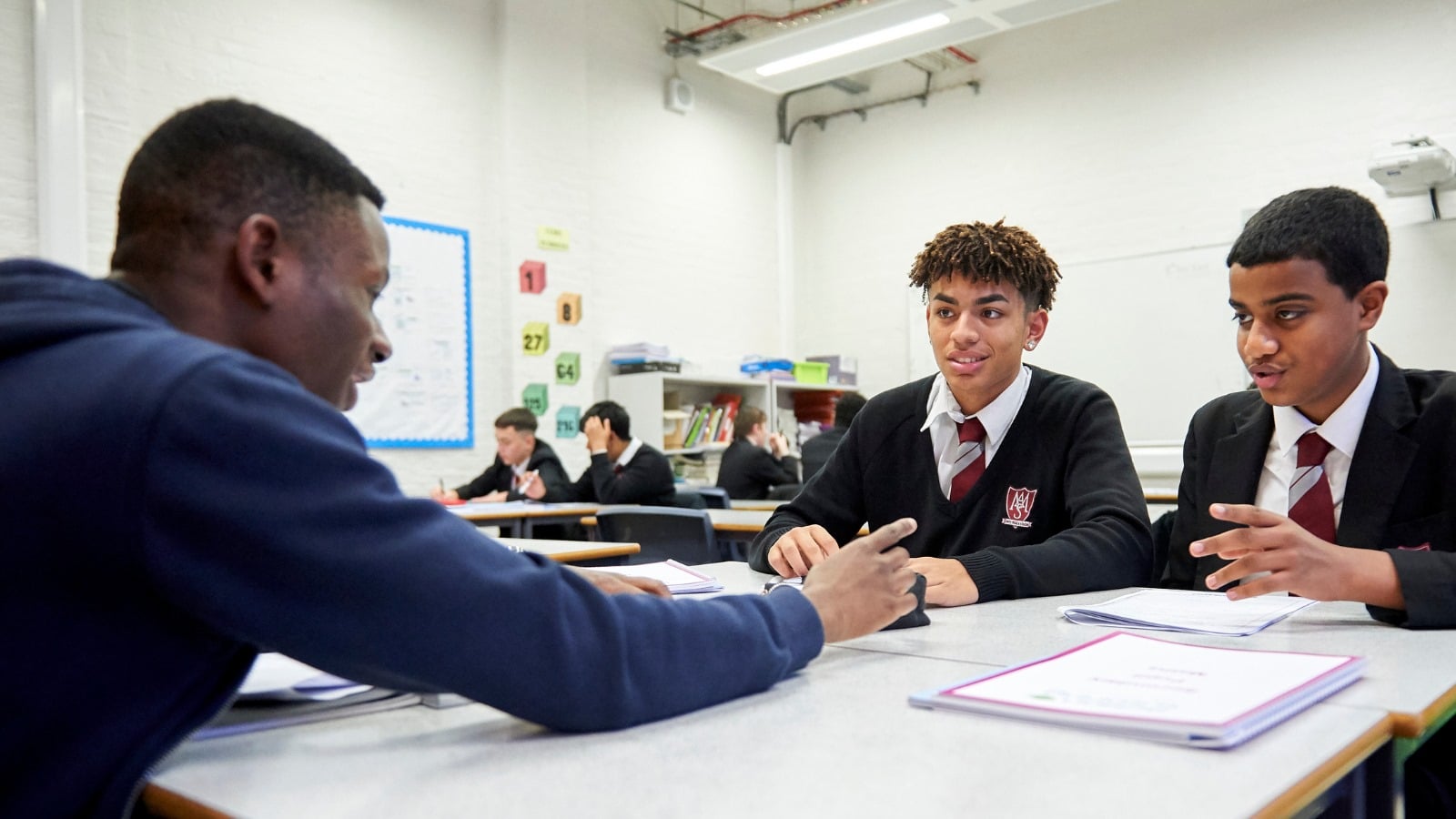
Be proud to give
It’s the time of the year to join something bigger, make a difference, and leave a lasting impact on the lives of vulnerable children. Make Giving Tuesday count and be proud to donate, volunteer or add your voice to a good cause, notwithstanding the challenging economic circumstances today.
Reconnect with your purpose and rekindle the spirit of generosity this Giving Tuesday to find a way to give back your time, efforts, or money. Celebrate the action of making a difference as simple acts of kindness and generosity have the power to inspire and raise hopes for many disadvantaged people.
Here’s how you can give and support our work:
Donate to our Big Give Christmas Challenge
We launch our Big Give Christmas Challenge – the UK’s biggest match funding campaign – on Giving Tuesday to raise funds to support our impact work. From midday on Tuesday, 29th November to Tuesday, 6th December, all donations made by you to Action Tutoring will be doubled, meaning one donation = twice the impact.
This year marks ten years of the Big Give Christmas Challenge and we believe your generosity will be shown in helping us raise funds to support our fight for quality and equitable education for every child facing disadvantage – #ThatsMyWhy!
Watch our Big Give Christmas Challenge 2022 campaign video on YouTube to find out more about why we do what we do. Kindly make your donation, no matter how small, to our Big Give Christmas Challenge via Action Tutoring’s campaign page. Tell us why you support our mission by sharing a post of your motivation with #ThatsMyWhy on social media and tag us.
With your contribution, 2023 can be a more impactful year, where more disadvantaged pupils receive the additional academic support they need to bounce back following the pandemic and excel for a better future.
Volunteer as a tutor
Volunteering with us as a tutor is another great way of helping disadvantaged pupils to improve their academic performance and meet expected standards. Volunteer to tutor pupils in English or maths at primary or secondary level, online or in-person, for one hour each week. No previous teaching experience is required and we will provide you with all the resources you need.
Share our cause
If you are unable to give your time or make a donation, you can support our cause by sharing the word. Simply share this post with friends, family and on your social media platforms, if you can.
As we celebrate Giving Tuesday, let’s remind ourselves to continue supporting causes close to our hearts by giving to help tackle the challenges that face us collectively. The heart of kindness and acts of generosity is vital to building a better future for everyone.

Diversity and Inclusion at Action Tutoring
10 November 2022
As a charity that values and celebrates diversity and inclusion and champions opportunities for all young people, we always strive to create an environment of respect in which every individual is welcomed, valued, and empowered to be their authentic selves.
Diversity and Inclusion is more than simple policies applied in a workplace. It is a way of thinking and acting, so we can establish fairer working conditions for every employee.
What is Diversity and Inclusion in the workplace?
In order to best define diversity in the workplace, we have to consider all the different characteristics that we as unique individuals have; such as our race, age, gender and sexual orientation. However, we also have differences when it comes to our experiences, talents, skills or opinions.
Inclusivity enables us to explore these differences together in a healthy, positive and non-judgemental environment. It means understanding one another and embracing the differences, not just tolerating them.
The CIPD advises that an environment is inclusive when people feel valued and accepted in their team and in the wider organisation, without having to conform. To achieve these is an organisational effort.
Why is D&I essential?
Equal access to opportunities for all people is both the right thing to do and a legal obligation under the Equalities Act 2010. It is important to continuously consider, so we don’t exclude any potential tutors or employees.
As a charity, we appreciate the power and importance of bringing different people together. When we feel included, appreciated and celebrated, we are more likely to unleash our potential.
What D&I policies and initiatives do we have at Action Tutoring?
We are committed to ensuring that all applicants are treated fairly throughout the recruitment and training process.
We endeavour to make sure our content on our social media channels and website is accessible to everyone, for example by using plain English and avoid using figures of speech and idioms, and using text instead of graphics when sharing important informationYou can learn more on a previous blog about how inclusive communication is implemented in our organisation.
Action Tutoring has a D&I working group, where staff members meet regularly and discuss different ways that we can improve the way we work together. It’s a free and open space for everyone to share ideas.
In our additional resources for volunteer tutors, we have included a Diversity and Inclusion tutor code of conduct in order to make sure that everyone is treated fairly and in accordance with Equal Opportunities policies.
We have regular internal “Broaden Your Horizons” sessions to discuss and reflect on current issues that affect us all. Session content has included Black British history, “fatphobia” and linguistic differences between regions in England.
We have conducted audits into the racial and gender diversity of authors and names used in our tutoring resources, have increased this diversity in some of our resources and have established targets to continue this work over time.
We believe that a true inclusive community doesn’t just have a diversity of people to display, but it has a diversity of people who are involved, supported, empowered and trusted by everyone else.
Interested in working for us? View our current vacancies. We do accept speculative CVs for our Programme Coordinator roles – you can click here to see a job description).
Or if you’re interested in volunteering as a tutor, click below!
New NTP evaluation reports show a largely positive impact of tutoring on pupil outcomes and in schools
27 October 2022
Since the National Tutoring Programme (NTP) was rolled out in November 2020, as a catch-up and recovery programme for the lost learning time following several months of school closures during the Covid-19 pandemic, one major question that has been asked is about the evidence of its impact on academic performance and pupil outcomes nationally.
The NTP was introduced in the 2020-21 academic year to support schools and teachers in providing a sustained response to pupils who fell behind in their studies during lockdowns, especially disadvantaged children in receipt of Pupil Premium. Many in the education sector also believed it could contribute to closing the attainment gap in the long term. The tutoring support in the first year was run via two strands – the Tuition Partners and the Academic Mentoring pillars.
A new independent evaluation conducted by the National Foundation for Education Research (NFER) and commissioned by the Education Endowment Foundation (EEF) has provided some insights into the impact of both the Tuition Partners and Academic Mentoring pillars of the NTP on pupil outcomes for the first year (2020-21). The study sample focused on 167 primary schools for English, 127 primary schools for maths and 1,464 secondary schools for both subjects in the analyses.
As a key Tuition Partner that has extensively advocated for more data-driven and evidence-based insights about the NTP’s reach, progress and outcomes, Action Tutoring welcomes this evaluation report. We believe research into the impact of tutoring is essential in helping us reflect and focus on the core aim of narrowing the attainment gap and giving disadvantaged pupils the requisite support to improve and thrive academically.
Higher sessions impactful
In line with Covid-19 restrictions in 2020, no centralised examinations were held and teacher-assessed grades (TAGs) replaced Year 11 GCSEs. Using that as an outcome measure, the NFER evaluation showed a correlation between sessions attended and overall progress, indicating that pupils who attended a higher number of tutoring sessions were associated with better scores in English in primary schools, and better grades for Year 11s in maths and English. The data showed that there was little progress recorded in primary maths.
In 2021-22, our analysis showed that primary school pupils supported by Action Tutoring achieved expected standards in reading – nine percentage points more than the national average for disadvantaged pupils. Maths results were equally strong, with pupils achieving expected standards ten percentage points more than the national average for pupils facing disadvantage.
Our GCSE results analysis for the year under review also showed marked progress for pupils we tutored in both subjects.

Pupil Premium
It is saddening to know that less than half of the pupils supported under the NTP in Year 1 were from disadvantaged backgrounds when a principal objective of the NTP is to support this specific group and ensure the pandemic did not widen the attainment gap. In the NFER evaluation, only 46% of pupils on the programme were identified as PP, compared to Action Tutoring’s measure of 72% of PP pupils supported in the same year.
Targeting tutoring support to disadvantaged pupils should remain a priority to ensure an overwhelming majority are actually those who need the help and cannot afford to pay for it. Together with other education charities, we sent a collective action letter to the Secretary of Education in September expressing concern about the likely mistargeting of the NTP and the urgent actions that must be taken to ensure the core, original focus of the NTP is not lost. These actions include reinstating Pupil Premium targets, committing to additional funding, and reversing plans for subsidy reductions next year.
Independent review of tutoring in schools
The DfE has just published Phase 1 findings of an independent review of tutoring, conducted by Ofsted. This report assessed the progress and effectiveness of the NTP from September 2021 to July 2022, with His Majesty’s Inspectors (HMI) visiting 63 schools to observe and analyse tutoring sessions.
The findings show that in the majority of schools visited, tutoring was well planned and implemented, with content directly supporting the curriculum covered in the classroom. It also revealed that tutoring was perceived as positive by an overwhelming number of school leaders and staff and the NTP was well received by schools. With pupil attendance being the prime concern of the findings, Ofsted advised that the benefits of tutoring must be touted to parents and pupils to increase uptake and participation.
Tutoring works
Although 2020-21 was an exceptionally challenging year in education for schools, teachers and pupils as the disruption of the pandemic, both evaluations point to the evidence that tutoring works in improving pupil performance. We are deeply invested in the success of the NTP because it has the potential to reach millions more pupils facing disadvantage, who simply can’t afford to miss out on the support.
We support the recommendations made by the NFER and Ofsted for further improvements to be made to the programme going forward. It’s essential we ensure more pupils facing disadvantage are able to access tuition support, there is further investment in evaluation of impact and Tuition Partners and tutors work in partnership with schools to ensure tutoring reaches those in most need and is aligned to classroom learning.
Alongside many other organisations, we are advocating for the NTP to extend beyond 2024 and become a lasting feature of the education system, so that it can have a meaningful impact on closing the attainment gap – which is at its widest in the last 10 years, at the primary and secondary level. Now is the time to elevate the reach and impact of the NTP, based on lessons, experiences and recommendations made by education charities and researchers, to ensure the programme delivers on its intended objectives, all in the best interest of disadvantaged young people.
Join us as a volunteer today to support us in our mission, or follow us on social media to stay updated.
How to help disadvantaged pupils settle into a new academic year as a tutor
7 October 2022
Our autumn term has officially begun and we are incredibly excited to continue supporting our pupils across the country!
If education equality is a cause you deeply care about, volunteering as a tutor is an effective way to support disadvantaged young people achieve the grades they need to open doors to a brighter future.
As a volunteer with Action Tutoring, you can tutor in-school for an hour once a week and meet your pupils face-to-face. But, for those who wish to join our mission and find it difficult due to busy schedules, you can tutor online too!

Here we share some tips on how to help your pupils settle into the new academic year.
How can you help pupils settle into a new academic year as a tutor?
Create a welcoming and safe learning environment
Our volunteers are provided with the support and resources they need to make tutoring sessions a safe space for all pupils. Our session plans include icebreaker suggestions to get to know each other and warm up activities to start each session.
A safe learning space, and feeling comfortable with a new adult, enables children to feel comfortable in sharing their thoughts and opinions, without the fear of being judged.
Clear boundaries and inclusive communication also allows tutors to better handle sensitive topics and create a stronger bond with pupils.
Read more: Inclusive communication at Action Tutoring: Why it matters
Ask open-ended questions
Closed questions also seem to provide an easy shortcut to assessing pupil learning, but open-ended questions have the power to challenge pupils and motivate them to think critically. This way, they are not passively obtaining new knowledge, but process it in an effective way and provide a range of responses.
Remember to be attentive, show an authentic interest in what they say and reply with kindness.
Praise their hard work
Praise is an important part of tutoring and can motivate pupils to do better! As a tutor, be sure to remind them they are one step closer to their learning goals, and this will leave pupils feeling inspired and motivated to do better next time.
If they are struggling with a particular concept in a session, you can remind them about a time when they struggled to do something the first time, but kept going and now can do it well. Or, if you don’t know them that well yet, ask them to think of an example!
When your pupils make progress, no matter how small or big, praise makes them feel empowered and supported.
Learn more skills
A good tutor turns up to their session on time, follows our resources and engages with their pupils effectively each week. A brilliant tutor is someone who seeks ways to improve the way they communicate and interact with their pupils!
With Action Tutoring, you can benefit from our Bright Ideas training sessions. These provide volunteers with additional, bitesize training to learn about ways in which you can go that extra mile to support your pupils.
You can also browse our news and insights for more blogs with tutoring tips!
We suggest:
Nervous about your first tutoring session? These tips will help!
Struggling to engage your pupils in tutoring sessions? This guide will help!
World Teachers’ Day 2022 – the heart of our education system
5 October 2022
5th October is internationally recognised as the World Teacher’s day and this year marks the 28th anniversary!

The United Nations Educational Scientific and Cultural Organisation (UNESCO) established the celebration in 1994 and since then, this day serves as a reminder to appreciate and thank all the teachers for the fundamental role they play in our lives.
As an education charity, we understand how essential teachers’ roles are in the lives of children, especially those coming from a lower socioeconomic background. Teachers can be a huge source of inspiration and a role model for the pupils they teach.
This is an annual opportunity to take a moment and reflect on the importance of teachers and how they’re nurturing the young people of tomorrow. Each year, World Teachers’ Day has a unique theme to build awareness about the issues that teachers are facing worldwide and how we can collectively help their mission.
World Teachers’ Day will celebrate teachers’ instrumental role in transforming education, and will advocate for bold strategic actions by policymakers, teachers themselves and civil society.
What is WTD 2022 advocating for?
The TES (Transforming Education Summit) recognises that educational transformation will only happen if teachers are professionalised, trained, motivated and supported to drive the process. The UNESCO concept note states that in practice, this means that:
- Each country should have the right number of qualified and trained teachers and other education professionals in the right place with the right skills.
- All teachers have access to relevant continuous professional development throughout their careers and benefit from professional support.
- Every teacher, school leader and education personnel have a recognized professional status, can participate in social and policy dialogue and work in conditions that enable them to perform and to transform education from within.
- Teachers and other professionals are empowered to lead learning, innovate, produce and harness relevant research and innovations.
The World Teachers’ Day 2022 commemorations will focus on the support that teachers need to fully contribute to educational transformations and will advocate for bolder actions by all stakeholders.
How Action Tutoring collaborates with teachers
While teachers work hard to establish a new learning environment after the pandemic, education inequality has already deepened. Simply reopening schools after lockdown is not sufficient in helping many children catch up; they need sustainable and personalised support.
Education recovery can’t be achieved if we don’t offer our support to ensure disadvantaged children receive additional support that encourages them to re-engage in learning activities.
Action Tutoring is incredibly grateful to work with amazing teachers across the country and assist them in supporting disadvantaged pupils to progress academically. We seek to work closely with subject teachers to ensure that tutoring complements classroom teaching.
All pupils enrolled on our programmes sit a baseline assessment, which is used to develop personalised learning plans. Our volunteer tutors use these plans to support their pupils’ progress in key topic areas and with subject-specific skills. Pupils are then re-assessed to measure progress and map impact made, identifying gaps in knowledge.
We’d like to take this opportunity to thank all of the teachers we work with across our partner schools.! Teachers are the heart of our education systems and work tirelessly to inspire, guide and educate the next generation.
What can you do to celebrate?
Thank your old teachers!
We all have at least one teacher that stands out among the rest. Maybe this teacher was the one who took extra time to ensure you understand the subject? Or maybe they motivated you to reach your full potential?
Many pupils attribute their success to the patience and persistence of their teachers and tutors. So why not take this opportunity to reach out to an old teacher to thank them, and let them know what you’re doing now! (Do they have LinkedIn? Or is their email still on the school website?)
Have a conversation with children and help them understand teachers’ roles in their lives
Do you have, or care for, children? Help them to recognise and value their teachers’ work by helping them to write a surprise thank you note. Small gestures like this can mean the world at the end of a busy week.
Support teachers by volunteering as a tutor
We support schools to raise the attainment of their disadvantaged pupils through the power of volunteers. Join our mission by becoming a maths or English tutor!
We offer both in-school and online volunteer opportunities. Find out more about volunteering with Action Tutoring here.
How volunteer tutoring is helping ARUP to connect to its purpose as an engineering design firm
3 October 2022

In human-centred design, establishing deep empathy to understand the needs and interests of people is critical.
Engineers, designers, architects, and other professionals who work in the design space today have a greater advantage when they put the people for which they design solutions or projects, at the heart of the process. This design approach makes people resonate deeply with the product or project.
For Global sustainable development consultancy, Arup, building the empathy and humanitarian value of its workforce is supported through its Community Engagement Programme, where their technical and strategic capabilities are employed to support the most disadvantaged people. One of the ways Arup tries to shape a better world is by focusing on delivering social value and providing skills, time and expertise to help communities and organisations, through volunteer tutoring.
In the throes of the COVID-19 pandemic, it partnered with Action Tutoring, an education charity that optimises the power of trained volunteers to deliver tutoring to disadvantaged children who need academic help. The charity trained interested employees from Arup and equipped them with workbooks to teach pupils who were struggling with maths and English in Bristol and London.
Emily Walport has worked with Arup as a Materials Engineer for close to seven years, after joining as a graduate engineer. Alongside her engineering role, she supports the management of Arup’s Community Engagement Programme (CEP), of which volunteer tutoring is a key component in the UK. A primary focus for their CEP in the UK region is to inspire children about sustainable development in the built environment.
“It’s really valuable to have insights from the communities we are designing for and volunteer tutoring gives us that advantage. Understanding the people and communities we build for has to be an integral part of our projects if we are to deliver socially useful, high-quality projects, at the core of Arup’s mission to shape a better world.”
Through tutoring young children, Arup’s employees are not only imparting knowledge and learning teaching skills but also using the opportunity to encourage more young people to consider pursuing careers in Science, Technology, Engineering, and Mathematics (STEM). For Arup engineer Beth Lockhart, she has started seeing the positive outcomes of this effort. “Already, two of my pupils have expressed interest in engineering after our constant interaction and their appreciation of mathematics over time. Being able to get them to think about STEM careers excites me because engineering can be quite classist and usually not a domain for people from disadvantaged backgrounds so I think it’s great to change that.”
Beth believes by helping young people to see a STEM career as something they can pursue in the future, serves as a push to help them be more academically focused and ignites their interest in these careers.
Sense of satisfaction
For professionals, there is a lot to gain from volunteer tutoring. Research has shown that volunteering is beneficial as it helps people live happier, more fulfilled lives and also gain ‘people skills’ from interacting with different individuals in communities. “Volunteering to teach maths has helped me develop an ongoing mentoring relationship with my pupils. I’m currently tutoring two Year 6 pupils in maths and I gain a sense of satisfaction from their academic progress over the period while I build a relationship with them,” Emily said.
“Sometimes it’s easy to forget how difficult some people may find things we take for granted as being able to do. Tutoring has been a great reminder of the importance of being able to explain concepts clearly and how to reframe ideas to help young people understand. I have developed invaluable skills in communication.”
Beyond teaching experience, volunteer tutors report that the razor-sharp questions and pure, unfiltered sincerity in responses of pupils require them to be on their toes and develop the virtues of tolerance, patience, and other social abilities which they transfer into their line of work.
Attracting and retaining talent
Volunteering is great for attracting and retaining great talent at Arup, as many people join the firm because they want to do socially-useful work, either in their day-to-day role or their community engagement programme. Emily said one recurring piece of feedback they receive from members is that the company-wide support for volunteering by encouraging all to participate in social impact work is their driving motivation for joining and being at Arup.
“We have members with an enormous range of skills and talent that can benefit young people socially, academically, and professionally. Tutoring and mentorship serve as the vehicles to impart that knowledge and help connect them to a higher purpose.”
Multiple studies, including a Stanford Business School survey, have shown that young people increasingly want to work at socially responsible companies. There is a strong case for employee volunteering opportunities that build a company’s reputation for corporate social responsibility and ethics.
Level the playing field
Action Tutoring is striving to level the playing field in education. On average, disadvantaged pupils are 18 months behind their peers by the end of secondary school, according to the Education Policy Institute report. Pupils who do not achieve GCSEs are more likely to become NEET (Not in Education, Employment, or Training) around age 16 and currently, there are 692,000 young people who are NEET – that’s nearly 1 in 10.
Advantaged children may have access to tutors their families can pay for, unlike their disadvantaged peers. Action Tutoring fights for an equal playing field, by giving disadvantaged children the tutoring needed to thrive academically and pairing them with people who can inspire them to learn and raise their career aspirations. Volunteers from diverse backgrounds dedicate an hour of tutoring, both virtually or in-person, to a pair of pupils each week during an academic term to improve their performance in English or mathematics.
Action Tutoring’s Fundraising Manager, Hannah O’Neill, said that companies gain enormous advantages and privileges when their employees volunteer through tutoring, beyond reducing the academic attainment gap and tackling education inequalities.
“Interacting with young people from the local community helps employees and businesses to understand the culture, economy, strengths, and challenges of their environment currently and into the future. These insights enable companies to build emotional connections and gain fresh, diverse perspectives to help them to deliver effective services that resonate with their community’s needs.”
Striving for a fairer society
Emily affirmed that volunteer tutoring reminds her of the need to strive for a fairer and equal world for all children, including those left behind by inadequate schooling and the inability to access tutoring. The tutoring sessions inspire these children to increase their career aspirations and expose them to a brighter future.
“As someone in an engineering career who has benefited from opportunities that helped me get here, I am passionate about supporting initiatives that strive to support all children to achieve their potential. If children don’t have the opportunities or the awareness that engineering is a career path they can pursue, that could limit their future outcomes,” Emily said.
Hannah believes companies can have a greater impact by partnering with charities like Action Tutoring to optimise the value of their employee talent and engender social change.
More individuals from professional backgrounds or companies can come in and equip children from disadvantaged backgrounds with the academic skills and guidance to excel academically and professionally. Through these engagements, we can build a better and equal world for younger generations to come.
Explaining the attainment gap
30 September 2022
The attainment gap: Why a child’s wealth still determines their grades
If you’ve heard terms like ‘educational inequality’ or ‘the attainment gap,’ you might wonder what they actually mean. Put simply, they refer to one of the biggest injustices in the UK education system: where you start in life still dictates how far you can go.
This piece breaks down the attainment gap – what it is, why it matters, and how we can work together to close it.
Defining the gap: The unfair race
Imagine two runners starting a marathon.
One runner has new shoes, professional coaching, and a clear path ahead. The other runner is starting a mile behind, wearing old sneakers, and has no coach to guide them.
This is the attainment gap. It’s the persistent, measurable difference between the academic results of pupils from financially disadvantaged backgrounds (often those eligible for Free School Meals) and those from wealthier backgrounds.
It is not a reflection of intelligence or ability. Children from low-income families are just as capable as their peers, but they can have less access to the tools that support progress and potential, such as:
- Quiet places to study at home.
- Reliable, modern technology and internet access.
- Crucially, additional academic support like private tutoring.

The numbers
At primary school, disadvantaged pupils are less likely to meet expected standards in reading, writing and maths: In 2024, just 47% of disadvantaged pupils met expected standards, compared to 69% of non-disadvantaged pupils.
At secondary school, disadvantaged pupils are less likely to achieve a grade 4 in English or maths GCSEs: In 2025, just 44% of disadvantaged pupils passed both English and maths GCSE, compared to 73% of non-disadvantaged pupils.
The attainment gap grows wider at each progressive stage of education. The attainment gap is a complex, generational problem rooted in societal inequalities, but recent events have made it worse:

Regional divide
Inequality isn’t just between families; it’s between towns. Last year, students in London achieved significantly better GCSE results than those in other regions, demonstrating a persistent postcode lottery when it comes to education quality.
Watch our video: regional gaps explained.
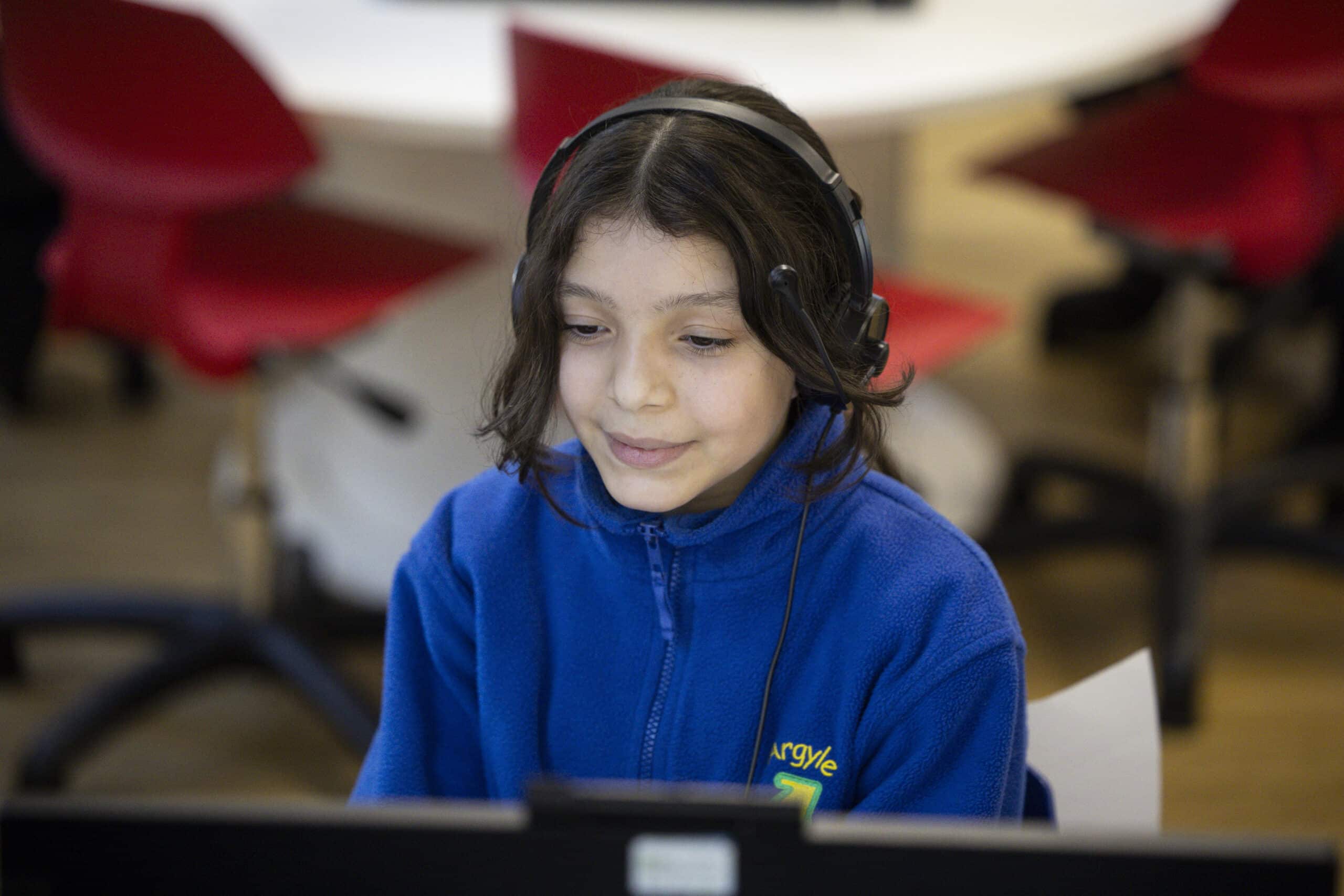
The pandemic effect
COVID-19 lockdowns disproportionately impacted low-income families. While all children suffered disruption, those from deprived areas were less likely to have the necessary resources—a quiet room, a dedicated computer, or online private tutoring – to learn effectively from home.
The result? A deeper crisis in learning loss.

School funding crisis
Ironically, the schools with the highest number of disadvantaged students – the very places that need the most support – have often seen the largest decrease in spending per pupil over the last decade, making it harder for them to hire staff or fund crucial extra support.
Tutoring: The proven solution
While the problem is complex, the solution that helps bridge the gap is surprisingly simple and highly effective: high-quality, targeted tuition.
Research by the Education Endowment Foundation (EEF) proves that small group tuition has an average impact of four months’ additional progress over the course of a year.
This is where Action Tutoring steps in.
We exist to provide this proven, high-impact support free of charge to the young people who need it most. We partner with non-selective state schools to ensure every child, regardless of their family’s income, can access the dedicated maths and English support that wealthier students take for granted.
Our mission is to ensure educational support is a fundamental right, not a privilege.
You can be part of the solution
Whether you can give one hour a week as a volunteer tutor, or support us with a donation to help cover school costs, your action directly addresses one of the most significant social injustices in the UK.
Ready to start making a direct, measurable difference in a young person’s life?