
Leading a tutoring revolution in schools to close the attainment gap
20 July 2022
Tutoring has been proven to be a tangible and time-tested solution to improving the academic outcomes of young people from disadvantaged backgrounds.
With the pandemic disrupting school years, many young people have continued to face learning loss and remain several months behind in catching up. Even more significant is the impact on children facing disadvantage; predictions from the EPI estimate the attainment gap could increase by as much as 75%.
A major intervention that can help students get back on track is tutoring — a transformative instrument for reducing long-standing disparities in the education system. The government’s flagship National Tutoring Programme (NTP), if targeted, resourced, and managed well long-term, holds considerable potential to bridge the attainment gap.
Nick Brook, the Deputy General Secretary of school leaders’ union NAHT sought the insights of education experts while moderating a panel discussion at the Festival of Education last Thursday on the evidence behind tutoring, the focus placed on it by the Government, and the future of the NTP beyond Covid recovery.

These experts included Susannah Hardyman, founder and CEO of Action Tutoring, Sandra Hayes, Senior HMI of Schools and Early Education at Ofsted, Simrat Mavi, Deputy Headteacher of St. Giles C.E. Primary – a partner school of Action Tutoring, and Ben Styles, Head of Classroom Practice and Workforce at National Foundation for Educational Research (NFER).
Firing on all cylinders
Susannah believes the attainment gap has the potential to narrow if the National Tutoring Programme is reformed in light of lessons learnt this year, and scaled up to focus on more disadvantaged children.
“If we can get the NTP firing on all cylinders in its implementation this year, it can fight the effects of Covid on education and reduce the attainment gap in the long-term.”
When Nick’s asked if the communication of the role and benefits of the NTP to schools in particular has misfired, Susannah said that there still remains an opportunity for the NTP to send a clear signal to schools of its value and purpose by focusing resolutely on the needs of disadvantaged young people and schools.
“We must also appreciate the dedication of senior teachers and staff in schools for offering logistical support as that is vital for making tutoring a success,” Susannah added.
Valuing tutoring
Drawing on the recommendations in the recently released CfEY report – Levelling Up Tutoring, Susannah called for a paradigm shift in thinking about tutoring as a profession and not an interim step. This, she believes, will improve the reputation of tutoring and support its growth in the educational sector.
Read the key findings and recommendations of the Levelling up tutoring report here.
“Tutoring shouldn’t be seen as a ‘stop-gap career’ but a valuable profession in the education system. We can create pathways between the teaching and tutoring professions to help resolve recruitment issues in teaching and support the growth of human capital.”
Nick backed this narrative with an explanation of the possible benefits of the tutoring and teaching professions as mutually supportive, with flexible career routes between both, to help strengthen our education system.

Sharing tutoring evidence
Talking about the promise tutoring holds for addressing the attainment gap, Nick called for greater information sharing about how it’s making its impact on young people. “We need to move knowledge of what’s really working in tutoring around the system so we’re guided by the best evidence for supporting children’s learning.”As part of the work of the NFER, Ben said they advocated for new research which is forthcoming from Ofsted later this year to support the evidence-building and buy-in of tutoring.
In support, Sandra said high-quality tutoring was essential to closing the attainment gap.
“Tutoring is quality, not quantity. It’s about genuine partnerships. It works best with the young person at its heart.”
Do you want to be part of the change? Volunteer with us today!
Celebrating World Youth Skills Day – why is it important?
15 July 2022
World Youth Skills Day is a global awareness day that is celebrated every year on 15th July as a way to raise awareness of youth unemployment and promote the importance of providing young people with the right skills, tools and resources so that they can transform their future.

It was celebrated for the first time in 2014 and since then, World Youth Skills Day has created an amazing opportunity for dialogue between young people and education and training institutions, organisations, firms and employers.
Why do we celebrate it?
World Youth Skills Day is a chance to shine light on the high levels of youth employment around the world and the significance of giving young people the chance they deserve to succeed in life.
By addressing the challenges of unemployment, the goal today is to spark discussion about how to provide further opportunities to young people coming from different backgrounds so that they can feel empowered and supported.
How exactly did it start?
It started in 2014 as a way to reduce unemployment and promote Technical and Vocational Education and Training for youth, also called TVET.
TVET, as part of lifelong learning that can take place at secondary, post-secondary and tertiary levels and includes work-based learning and continuing training and professional development which may lead to qualifications.
TVET also includes a wide range of skills development opportunities attuned to national and local contexts. Learning to learn, the development of literacy and numeracy skills, transversal skills and citizenship skills are integral components of TVET. This presents a lot of benefits over traditional training methods and it creates better employment opportunities, higher income levels while also increasing job satisfaction.
As a result, this brings together policymakers, training institutions, and development partners to ensure that young people -especially those from disadvantaged backgrounds – are best supported.
Youth unemployment in the UK
Young people have been hit first and hardest in the labour market by COVID-19. 455,000 young people (10.8%) aged 16-24 were unemployed in February-April 2022.
Read more: What does the EPI report show about the impact of the pandemic on disadvantaged young people?
Looking beyond COVID-19, the recovery of youth employment is more essential than ever. The government has responded to the unemployment crisis among young people by implementing different initiatives that encourage and promote employment prospects, such as the Kickstart Scheme, traineeships and employer apprenticeship incentives.
Do you want to get involved?
At Action Tutoring we have created a safe and inclusive place where our team members, tutors, pupils and teachers can feel supported, heard and empowered.
If you could spare an hour each week to help disadvantaged young people receive the academic support they need in English and maths, apply today to join our cause.
We’d love to hear from you!
The role of tutoring in closing attainment gap – Experts share insights
12 July 2022
Since the onset of the Covid-19 pandemic, the academic attainment gap between disadvantaged pupils and their peers has increased across the U.K. School closures and learning losses are likely to increase that gap to as much as 75%, according to EEF.

Tutoring remains one of the tangible and most effective tools to support learning and accelerate pupil progress in tackling this educational challenge. The National Tutoring Programme (NTP) was introduced by the Department of Education as a supportive solution to make tutoring available to pupils whose education has been affected by the pandemic. However, the NTP faced a number of challenges in the first two years that led to its inability to meet set targets and expectations.
At the just ended Festival of Education hosted annually by Wellington College in Crowthorne, a panel of education experts shared their insights and recommendations on how tutoring could be bolstered through the NTP to live up to its objectives of narrowing the attainment gap.
The panel included Susannah Hardyman – Founder and CEO of Action Tutoring, Tom Hooper – Founder & CEO of Third Space Learning, Ian Taylor – Leader of School Performance at Academies Enterprise Trust, Sam Freedman – Senior Adviser/Senior Fellow at Ark Schools & Institute for Government, with opening remarks on the highlights of the Levelling Up Tutoring report by Baz Ramaiah – Senior Associate at The Centre for Education and Youth. The session was moderated by Mary Myatt – education adviser, writer and speaker.
Is tutoring the only solution?
Tutoring is a central part of our education system, with the new CfEY report stating that 70% of respondents want the NTP to continue beyond the time limit and 50% are calling for a radical redesign of the intervention.
Susannah believes tutoring is not the only, but a major solution in closing the attainment gap, especially as the pandemic has exacerbated that disparity. “Tutoring is not the sole solution to solving the attainment gap but a really important part. We have to improve equitability in tutoring by ensuring that the NTP focuses on those who need it the most, which are disadvantaged children.”
“Without some form of better measure, pupil targeting, funding and other proper structures to collectively support tutoring, the NTP may not stand the chance of leaving a strong legacy in the system to narrow the attainment gap,” she added.
Cost vs. quality
In his submission, Sam said the procurement team for the management of the NTP prioritised the cost component over quality in its decision to choose Randstad. Tom added that there was no marked engagement with schools before the NTP procurement. “For schools and tuition providers, there was zero concession which affected the implementation and outcomes.”
Bottom – top approach
Ian suggested that DfE needs to find a balance between a central, national open source system and local management in running the NTP. “It is advisable to tackle aspects of it locally because of the complexities. We’ve got to trust schools more because they know their institutions and pupils better than national providers. Trust them to choose tutoring providers, local tutors and experts themselves and monitor using both local and national quality assurance checks.”
“If it is top-down approach using national providers, then the quality assurance has to be very high by capturing the feedback from schools on tuition providers using technology. We have to choose an approach to help with accountability and direction.”
Integrating online tutoring
Drawing from lessons of the pandemic, Susannah advocated for the integration of online tutoring along with the face-to-face delivery to reach more remote communities, expand accessibility and improve convenience of teaching. “One of the errors made by the DfE is the directive that schools should revert to face-to-face tutoring. Online delivery has helped us recruit more tutors beyond the traditional pool, including retirees and corporate employees, who rely on online delivery to teach pupils.”
“There is a huge amount of untapped potential there and there should be guidance on online tutoring as it will attract diverse tutors to help tackle the attainment gap in areas where it is harder to recruit tutors.”
Tom supported the online delivery model because it helps to fill the gap and match the huge demand for tutors to close the attainment gap. “If you want to solve the attainment gap, looking at the volume of children you need to work with, you have to bring in a new supply of tutors. It is impossible to actually scale up to the size of helping the over 2 million children who qualify for pupil premium without considering additional tutoring delivery models.”
Attracting tutors
Susannah believes that raising the credibility of tutoring as a profession will help attract more people.
There is a huge potential to strengthen the link between tutoring and teaching, including supporting tutors who want to become teachers. This will raise the profile and competence of tutors when they see a path to teaching, if in line with their career goals.
Ian recommended that creating a network of local schools to share best practices, and experiences can help improve tutoring quality. In conclusion, Baz summarised the key takeaways from the session, calling for the support of schools to build long term partnerships with tuition partners and support organisations, create more accessibility for young people to benefit from tutoring and restore and maintain the Pupil Premium targets to keep the focus on disadvantaged pupils.
The consensus that a combination of these recommendations and several other solutions outlined in the CfEY report would collectively ensure that the NTP is entrenched in the education system and leave a positive, long-term legacy of narrowing the attainment gap.
Do you have an hour to spare each week to help disadvantaged pupils reach their potential in school?
Why is it important for charities to advocate?
30 June 2022
Action Tutoring is a charity that supports disadvantaged young people to achieve academically, with a view to enabling them to progress in education, employment or training.
We are proud to work with amazing volunteer tutors who are just as passionate about creating a fairer education system and help us reach more vulnerable pupils reach their full academic potential.
It is vital that we continue to offer our support to those who need it most and advocacy work is an essential part of this. We are incredibly thankful to our tutors who actively seek out opportunities to spread the word about our mission.
If you’d like to help spread the word or get involved as an Action Tutoring advocate, you can find more information here.
Most of our supporters will know that we were approved as a National Tutoring Programme (NTP) Tuition Partner in November 2020. Funding for the programme was confirmed by the Government after Action Tutoring collaborated with other charities to call on them to deliver catch-up support for disadvantaged pupils in response to the pandemic and school closures.

Why advocacy is important for Action Tutoring
We know tutoring has the potential to close the attainment gap
Research by the Education Policy Institute shows that disadvantaged pupils finish primary school over a year behind their non-disadvantaged peers and are over two years behind by the end of secondary school. The attainment gap becomes even more prominent in rural areas by the end of secondary school.
According to the Centre for Cities, there’s only a 1 in 15 chance that disadvantaged pupils will go on to achieve five good GCSEs, including English and maths, and there’s a much higher chance they will end up NEET (not in Education, Employment or Training).
How exactly do we measure the attainment gap?
It is usually based upon comparing the proportions of pupils in each group achieving an expected standard – particularly level 4 in reading, writing and maths at the end of key stage 2, and 5 good passes including English and maths at GCSE.
Small-group tuition works because it is tailored to individual needs and can address misconceptions at the source. Unfortunately, due to its high cost, private tutoring is often out of reach to pupils facing socio-economic disadvantage.
We use the power of volunteer tutors to bridge the gap and ensure tuition can be accessed by every pupil who needs it, not just those who can afford it.
We have significant experience working with schools
Since 2012, when Action Tutoring was registered as a charity, we have provided tutoring for over 6,700 primary school pupils and over 12,500 secondary school pupils.
This has given us the opportunity to work with multiple schools across England and familiarise ourselves with the needs of primary and secondary schools. That’s why we understand the demands and pressures that schools are under, especially after the pandemic.
Our Training and Curriculum team works to ensure our volunteer tutors receive the training they need before their first session. Initial training provides the opportunity for our volunteers to familiarise themselves with our mission and values, as well as understand our resources and further optional training opportunities.
The team has worked hard to create structured workbooks in line with the national curriculum, which our volunteers use in their tutoring sessions. Our volunteers are encouraged to commit for at least 10 sessions.
Action Tutoring endeavours to make sure all volunteers feel supported and receive the information and guidance they need in order to deliver high-quality tuition to children who need it. We pride ourselves on our evidence-based approach to supporting pupils, using baseline assessments and progress checks to monitor the impact our tutoring is having. Each year a summary of our data is published in our annual impact report. Here you can read more about our published annual reports on our impact.
This experience has provided us with a wide understanding of the education system and allows us to improve the way we work and take the necessary actions in order to make education inclusive and sustainable.
I can’t praise action Tutoring enough; they have shown a real desire and commitment to ensuring that disadvantaged students are supported to succeed. The overall structure of the programme, with the built in quality assurance model, has helped our students enormously.
Shaz Mansha – Assessment Lead
How do we advocate for a fairer education system?
We continuously engage in various research conducted by education institutions, and we are always happy to share the knowledge and expertise we have gathered over the past ten years. This gives us the opportunity to share the impact of our work with a wider audience and hopefully motivate more people to get involved.
In the past we have written action letters to MPs to engage them with our mission and programmes. Alex Norris’ visit to one of our partner schools was a great chance for us to celebrate the efforts of our pupils and the impact of tutoring. In response to the crisis in 2020, Action Tutoring collaborated with other charities to call on the government to deliver catch-up support for disadvantaged pupils. Our CEO gave evidence to the House of Commons Education Select Committee on the impact of Covid-19 on pupils and shared how a model like that of Action Tutoring could be rolled out more widely, and shortly after this, the Government confirmed funding for a National Tutoring Programme (NTP). Now, Action Tutoring positively engages with the DfE to help shape the future of the NTP.
Action Tutoring is also part of the FEA (Fair Education Alliance), a coalition of 250 organisations which aims to tackle inequality in the education system.
One of our latest projects was in partnership with the CfEY (The Centre for Education and Youth) and two other tutoring providers. We sought to identify how the National Tutoring Programme (NTP), one of the most ambitious English educational policies in recent years, should be evolved to ensure its long-term success.
You can read the findings and recommendations of the research here.
Additionally, our staff policy working group is committed to staying up-to-date with the latest education policies and making sure we play our part in raising awareness among our tutors.
We believe quality education is a right rather than a privilege. If you’d like to help us support more pupils, click the button below and join our volunteer group. Everyone who has a passion for equality in education is welcome to apply; lack of tutoring experience should not hold you back!
National Writing Day – Celebrating the power of creative writing
23 June 2022
What is National Writing Day?
23rd June marks the annual celebration of creative writing for young people, provided by a coalition of literacy organisations and publishers, led by First Story.
First Story is a charity that aims to provide high quality creative writing opportunities for disadvantaged young people.
National Writing Day gives everyone the chance to recognise the significance of creative writing and the impact it has on pupils’ learning progress. It is a simple yet powerful tool with the ability to educate, inform and inspire others.
Why is it important?
Creative writing is not only a way to help children and young people be more creative and imaginative; it is a great tool that allows them to feel more confident in expressing themselves and discussing issues they are passionate about.

As our Communications and Policy Manager, Charlie White, said: ‘’words are not only fascinating but empowering, helping you to access meaning and express yourself, and I think that is a worthy goal to have for our pupils beyond their exams: to better understand and interpret what they see, and to make their feelings and ideas more clearly understood’’. You can read more about jumping word hurdles with pupils here.
All our volunteer tutors in English are encouraged to promote writing and self-expression. Our workbooks and resources are designed to make pupils feel comfortable writing and sharing their thoughts and ideas.
Would you like to get involved as a volunteer tutor? Here’s all the information you need to get started.
Writing improves self-expression and thinking skills
Writing encourages children to believe in their own abilities and become more confident. It allows them to explore different worlds and ideas without fear of judgement, which can be challenging when it comes to schoolwork. In putting pen to paper, pupils canlearn how to express themselves freely through words and the creative process.
The sooner pupils learn how to effectively express themselves, the more confident and engaged they become in classroom discussions and activities.
It improves language learning
Creative writing is an opportunity for pupils to learn various language patterns in an interesting and exciting way, since they practice focusing on the language and finding new words to better express their thoughts.
It’s important to keep in mind that the 2021-22 school census showed that 19.5% of pupils were recorded as having a first language known or believed to be other than English. ((https://explore-education-statistics.service.gov.uk/find-statistics/school-pupils-and-their-characteristics)) Creative writing could help EAL pupils that may need additional support with the different aspects of their writing, particularly with their composition and grammar. Not all languages have the same form or follow the same structure so some children may need support to become familiar with the way the English language is written.
It develops cognitive skills
At the same time, writing enables young people to work on their cognitive strategies. It can increase their thinking skills and allow them to try out new ways to formulate what they are thinking.
No matter the genre or style, writing is a great tool that allows people to connect, share ideas and experiences, as well as have their voices heard.
Whether you choose to write stories for yourself or share with others, today is an opportunity to get creative and take part in celebrating the power and pleasure of writing!
Read more: The importance of encouraging pupils to read
Levelling up tutoring report release in partnership with CfEY
17 June 2022
Action Tutoring is proud to have partnered with the CfEY (The Centre for Education and Youth) and two other Tutoring Providers, Third Space Learning and Trinity White Rose Maths, on identifying how the National Tutoring Programme (NTP), one of the most ambitious English educational policies, should be evolved to ensure its long-term success.
Read more about the NTP here.
The research draws on the results of a survey of 185 school and trust leaders and teachers (carried out from April to May 2022), as well as 27 interviews with school and trust leaders, senior figures at the Department for Education (DfE), and others with research and policy expertise.
We are now delighted to share the findings of this research and hope it contributes to effective policy planning in the future.
You can find the full report here.
Why is this research important?
Evidence clearly shows that tutoring has the potential to support academic catch-up, close the attainment gap and support the government in raising literacy and numeracy standards in order to meet their announced 2030 education targets.
However, introducing and maintaining large-scale national programmes in primary and secondary schools can be challenging. Even with the best intentions and foresight, financial and political considerations can be a barrier to effective impact. Our goal is for a successful long term in-school tutoring strategy, therefore it is important that we consider the obstacles and carefully plan future policies accordingly.
As the NTP draws to the end of its second year, this report comes at a timely juncture for building on what’s already been achieved. Five key design principles underpin the approach of the report:
- Scaffolded autonomy: Schools want (and need) autonomy to procure and deploy tutors as they see fit. But to do this effectively they need a constellation of support services around them, which can be gradually removed over time.
- Simple and accountable: Many barriers to the uptake and impact of the NTP relate to overly complex funding and accountability models. Simplification of these elements would attract schools to in-school tutoring.
- Stable and adaptive: Frequent changes to the NTP have undermined its delivery and impact. Consistency over time, while responding to evaluations of the programme for continuous improvement, would resolve this issue.
- Equitable and targeted: The focus of the tutoring in schools policy needs to be on reaching disadvantaged young people, without creating an unfair workload for teachers or resulting in exploitative labour market practices with tutors.
- Evidence building and applying: To support the ongoing continuous improvement of the NTP and tutoring in schools policy, rigorous, wide- ranging evaluation must be woven into the fabric of the programme.

Building on this, the report then focuses the recommendations around three key timeframes:
1. Improving the impact of the NTP through incremental changes.
2. Embedding tutoring in schools in the long term by growing a targeted supply of tutors and improving the quality of in-school tutoring.
3. Transforming tutoring in schools with a long term view, by creating a large self-sustaining supply of high-quality tutors.
Key findings
Firstly, the research piece brought to light the importance of funding the NTP over a longer period so it can have a bigger impact and achieve its goals. In particular, 70% of respondents said that they believe the NTP should continue for at least a year longer than is currently planned.
Although schools need tutoring to work as an intervention, they require continuous support in order to better integrate tutoring programmes. The report mentions that for many schools the enrolment process had been a “bureaucratic nightmare’’.
It is also essential to build a larger and consistent group of tutors that will continue to provide high quality tuition to those who need it the most. This is needed the most in parts of the country where private and in-school tutoring are less common, such as the North East, since parents and teachers were less confident in the value of tutoring as an intervention.
It’s interesting to note that only 6% of the survey respondents said that they do not believe the NTP needs to be changed at all. This clearly shows the urgent need for modifications that will allow the NTP to have greater success.
Future recommendations
Schools in deprived areas with financial deficits have been unable to fund the school-level contribution needed to cover the costs of tutoring programmes, as funding changes between years one and two have made the programme feel unpredictable and difficult to plan around for those participating. Therefore, the government must fund the NTP for a longer period of time to ensure it achieves its goals.
The DfE should improve school staff members’ understanding of effective tutoring approaches to deploying and working with tutors, through additional content in the Early Careers Framework, National Professional Qualifications, and other professional learning programmes.
What’s also needed is for the NTP to prioritise remote tutoring, in order to access more tutors. Remote engagement can be particularly significant for cold spot areas, where tutoring is unavailable.
Finally, despite the current issues the NTP is facing, Levelling Up Tutoring shows a positive attitude towards tutoring. The recommendations mentioned in the report must be implemented rapidly so we can take a step towards closing the attainment gap and create a fairer, more inclusive education system in England.
Concluding in the afterword, Action Tutoring CEO alongside leaders from Third Space Learning and Trinity White Rose Maths, commented:
“While there has been frustration over and criticism of parts of the NTP, we should recognise that a fairer view needs to also commend the speed of action and scale of funding that the DfE put in place in late 2020 when the impact of the Covid-19 pandemic on learning and, notably, the attainment gap became clear.
As the programme has evolved, feedback from schools and Tuition Providers has played an increasing role in shaping the development of the programme. This is to be welcomed. The scale, innovation and success that we are all aiming for with the NTP must be shaped by teachers in schools across the country, and the organisations supporting them, who know what real-world success looks like…
We firmly believe that the NTP has the long-term potential to be a once-in-a-generation opportunity to narrow the attainment gap. We are committed to working with schools and the DfE to ensure it can achieve this crucial goal.”
EEF report finds survey boosts pupils’ attendance at tutoring sessions
16 June 2022
Last year, the Education Endowment Foundation commissioned a rapid trial that looked at simple ways of improving pupils’ attendance at tutoring sessions offered through the National Tutoring Programme. Action Tutoring was excited to be one of the Tuition Partners contributing to this trial.
The trial tested out three simple strategies, delivered in addition to the usual training and development offered to tutors by the Tuition Partners. Two of the light-touch interventions tested, including one trialled by Action Tutoring volunteers, were not found to boost pupil attendance above usual levels. However, a third strategy—which used a short ‘snap survey’ to show tutors and pupils what they had in common—was found to have a positive impact on attendance.
Action Tutoring places a high value on evidence for shaping our work. We welcome the chance to help improve the knowledge-base about what strategies enable pupils to get the most out of tutoring sessions. The trial report strongly recommends continuing to prioritise tutors’ relationship-building skills. It also notes the high standard of existing guidance and support already available to our volunteers to support this. For Action Tutoring, being involved in the trial highlighted the growing, powerful bank of knowledge and experience within our volunteer community, and the potential this has to help more disadvantaged pupils transform their learning.
To find out more about the successful snap survey intervention and how it worked, visit the EEF’s website.
Below you can find the EEF’s press release publishing the research:
Encouraging tutors to find out what they have in common with pupils can help boost attendance at sessions
Getting tutors and pupils to take short online surveys to identify what they have in common can help boost attendance at sessions, according to a new report published by the Education Endowment Foundation (EEF) today.
The Behavioural Insights Team (BIT) tested three different strategies to find out if ‘lighttouch’ interventions could boost attendance at tutoring sessions during the delivery of the National Tutoring Programme (NTP) Tuition Partners pillar in the Spring and Summer term of 2021.
Four of the 33 Tuition Partners took part in the ‘Snap Survey’ trial. Pupils and tutors answered quick-fire questions about their personal interests, hobbies, and values. One question asked participants to choose from a list of major sporting events which one they’d most like to attend. Another asked whether laughter, loyalty or listening is most important for a friendship.
Once completed, both tutors and pupils received instant feedback on their similarities. Tutors also received reminders of their similarities with their pupils for the next five weeks, including some suggested conversation prompts. Tutors then used teaching strategies that incorporated their pupils’ interests to help to build a positive relationship.
The evaluation found that pupils randomly selected to receive the Snap Survey had higher attendance rates than pupils in the ‘business as usual’ control group, where Tuition Partners used their usual strategies to encourage attendance.
The intervention was delivered at a time when attendance in English schools was severely affected by partial school closures and pupil and staff absences. Data from the Department for Education shows school attendance was 58% for the Spring term of 2021.
The trials were designed to assess the effectiveness of the three different strategies, and not the overall attendance rate of the NTP. To do this, they developed an outcome measure that divided the number of session hours attended by the number of sessions purchased for that pupil. On this measure, the ‘Snap Survey’ approach increased attendance at sessions from 62% to 66%.
The other two strategies tested were:
- Engagement-Boosting Reminders, where behaviorally informed reminder messages were sent directly to pupils via email.
- Prioritising Tutoring Relationships, where tutors completed a short web-based activity focused on relationship-building strategies that could be used with pupils.
Tutors also received reminders about the personal strategy they developed in the activity. These two strategies performed no better or worse than the strategies used in the ‘business as usual’ control groups.
Professor Becky Francis, CEO of the Education Endowment Foundation (EEF), said:
“To make sure that the National Tutoring Programme delivers on its aims, it is essential that we continue to learn about how to effectively engage pupils. These important findings add to our understanding of how we can secure pupils’ ongoing participation in the programme, and in turn, maximise its impact on learning in the wake of the pandemic.”
David Halpern, CEO of the Behavioural Insights Team (BIT), said:
“These are an important series of trials with practical and policy implications. First, they demonstrate the importance of a tutor finding common areas of interest with the student they are teaching, and identify a simple, authentic and unobtrusive way of doing this. It’s a technique intuitively used by many effective tutors, but the trial shows how it can be used more widely. Second, these rapid BIT-EEF trials show how ‘marginal gains’ can be layered on top of existing interventions. This enables programmes to be enhanced, rapidly but systematically identifying which variations work more effectively, and which work no better than usual. Policymakers and practitioners often presume that robust trials take years to set up and get results from. These trials show that this presumption is not true, opening the door to more accelerated improvements in outcomes for our children.”
Why should primary and secondary schools partner with Action Tutoring?
15 June 2022
We are an education charity that partners with schools to deliver tutoring programmes for pupils in primary and secondary schools. We provide pupils who are eligible for Pupil Premium with the academic support they need to reach their potential.
Specifically, Pupil Premium funding is a government initiative that was implemented in 2011 as a way to help disadvantaged pupils receive further support in their education.
It was established following the publication of several research papers clearly showing a significant gap between the educational performance of disadvantaged children and their peers.
Read more about Pupil Premium here.
The ultimate goal is to close the attainment gap between disadvantaged young people and their peers. Evidence suggests that tutoring is highly effective in a pupil’s learning progress, but only 18% of disadvantaged young people have been able to receive tuition support during the pandemic, compared to the 43% of pupils from more affluent backgrounds.
Why should more primary and secondary schools partner with Action Tutoring?
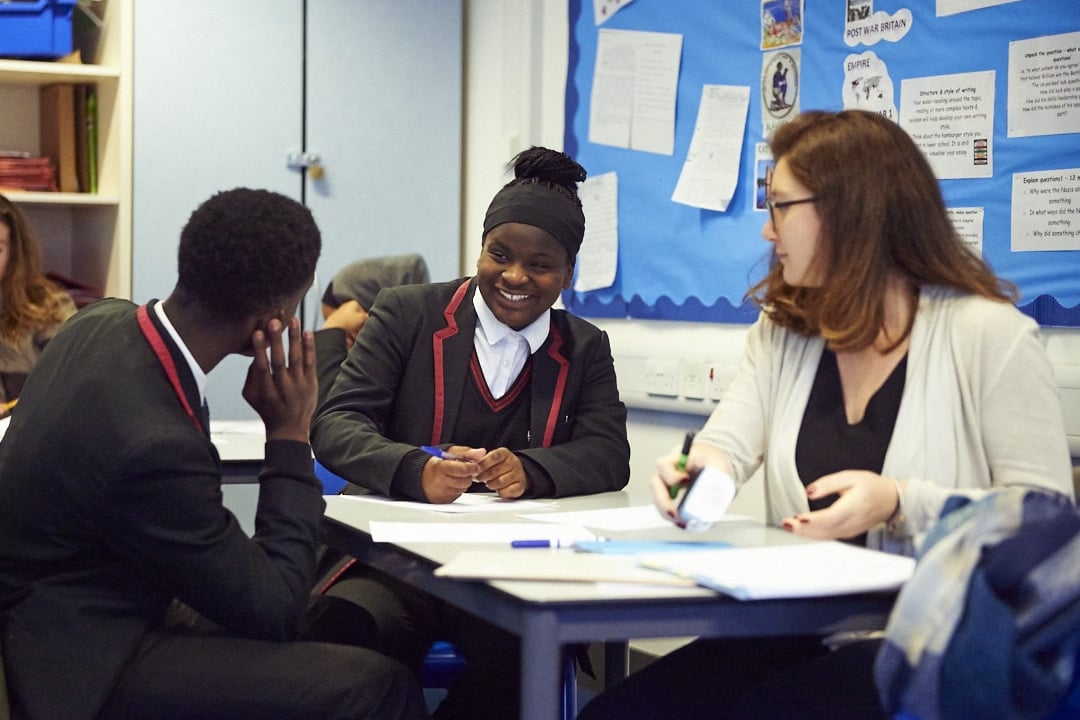
High quality, high impact tutoring sessions
We are proud to have built an evidence-based approach that reflects our positive impact and the hard work behind it. In particular, pupils sit a baseline assessment at the start of their programme and a progress check halfway through their time with Action Tutoring. This gives us the opportunity to evaluate their progress and assess our impact so we can ensure that we deliver high quality tuition to pupils who need it most.
Thanks to the hard work, resilience and commitment of our incredible school teachers and the continuous support of our volunteers, we are proud to say that 81% of our pupils achieved grade 4 or above in English and 80% grade 4 or above in maths!
You can read more about the impact of our tutoring programmes here.

We provide our own educational resources to tutors
Our Training and Curriculum team has worked hard to create the learning material volunteer tutors need for their tutoring sessions. Our goal is to nurture the minds of young people we work with and offer them personalised academic support through our workbooks and resources.
In addition to their induction training, tutors who join our volunteering group have 24-hour access to a series of online short courses called Bright Ideas on our e-learning platform. There, they can access training sessions that better prepare for their role as a tutor and grow their skills and expertise.
Our tutors serve as role models
Our volunteer tutors are not only educators, but they also serve as role models, motivating pupils to overcome learning barriers and achieve their potential in life.
Action Tutoring is proud to be an inclusive, equal opportunities organisation for its volunteers. As our tutors come from a whole range of backgrounds, including university students, working employees and retired professionals, it helps to inspire pupils to consider future pathways.
Do you want to join our volunteering community? We’d love to hear from you! Read more about getting involved here.

Experience in working with state schools
Since 2012, when Action Tutoring was registered as a charity, we have provided tutoring for over 6,700 primary school pupils and over 12,500 secondary school pupils.
This has given us the opportunity to work with multiple schools across England and recognise the needs of primary and secondary schools. That’s why we understand the demands and pressures that schools are under, especially after the pandemic.

Our Programme Coordinators are dedicated members of our team
Working closely with teachers, our Programme Coordinators are on hand to oversee delivery, manage any issues that may occur during online or in-person, support tutors, as well as monitor the quality of the tutoring.
They are all passionate about educational equality and work hard to ensure pupils gain the most from their tutoring sessions with our volunteers.
‘’I have been so impressed with the work of Action Tutoring. Their tutors are so well trained and were able to forge positive working relationships in the first session. Their online platform, which we have moved to recently, is incredibly easy to use and the move from face-to-face tutoring to online has been seamless. If you are lucky enough to partner with Action Tutoring – don’t ever let them go!’’
Deputy Headteacher, London
We’re committed to ensuring more and more pupils can receive the education they deserve. Here you can find more information about schools partnering with us.
Struggling to engage your pupils in tutoring sessions? This guide will help!
27 May 2022
At Action Tutoring we believe every pupil has the potential to achieve academic success under a supportive environment, using the right tools and resources.
We are proud to have such amazing volunteer tutors, who are passionate about helping disadvantaged pupils reach their full potential.
When they sign up to a programme, many of our volunteers are tutoring or working with children for the first time. With the help of our Programme Coordinators and the workbooks we provide, they are equipped to make tutoring sessions interesting and engaging.
We want to make sure that all our volunteers feel confident before starting their programme. For this reason, we’d like to share a few tips that help pupils to be more engaged during your tutoring sessions.
Shy pupils
How do you engage shy pupils? Some children take time to get comfortable talking to a stranger. As a tutor, it’s great to put in some extra effort by asking them questions and giving them some information about you. This will encourage them to feel more comfortable sharing with you and speaking about themselves. Persevere, and look for small wins each week.
Read more: How you can support your pupils’ mental health as a tutor
Pupils with low self-confidence
You can start by adjusting what you consider ‘good work’ to the starting point of your pupil’s ability. For example, writing a full paragraph with correct punctuation will not get them a grade 5 in GCSE but it may well be a big step forward for them personally.
At the end of the session, explicitly show pupils the progress that they have made. Don’t forget to show them what they can now do that they couldn’t at the start of the session so that they leave with a sense of achievement!
When working with pupils who lack confidence in your subject, make sure to praise effort over correct answers. If you have a couple of minutes, you can watch the video by Carol Dweck’s study into growth mindsets to see the impact that praising effort can have on pupils.
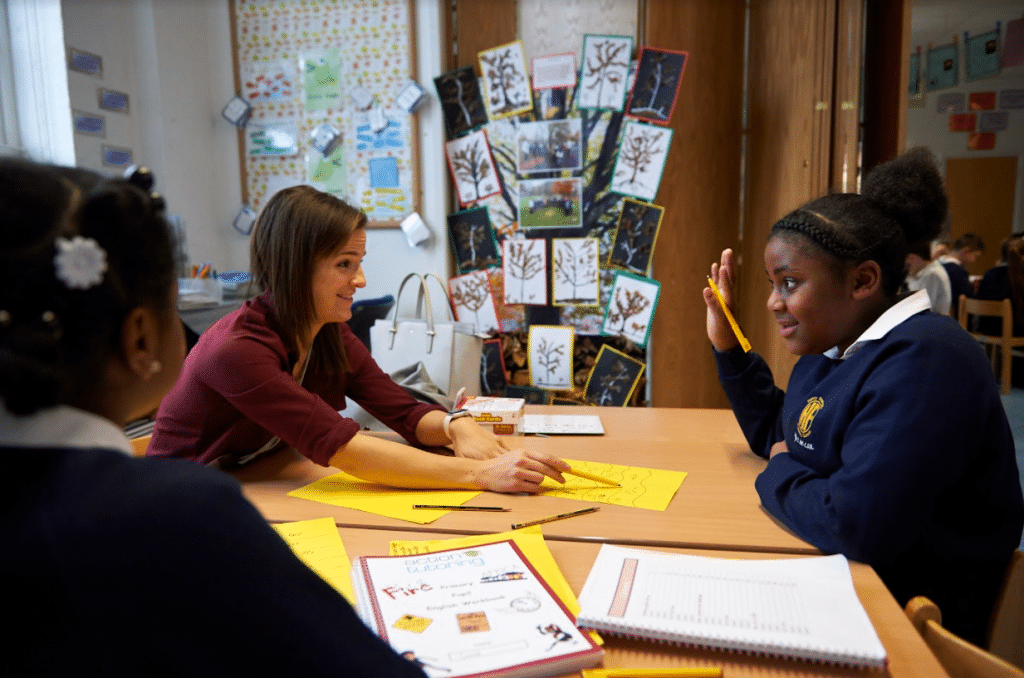
Pupils who dislike the subject
Years of feeling left behind in the subject have lowered self-confidence and could have even built up resentment about the subject itself. Not liking maths or English is a regular issue faced by the pupils we work with.
Did you really enjoy maths when you were a pupil yourself? Either way, now as a tutor it’s essential to keep in mind that you are not going to completely transform a pupil’s ability in a few weeks of tutoring.
Nevertheless, you can greatly influence their attitude towards the subject. Empathy and praise are the two key qualities to remember when you want to with a pupil who doesn’t naturally like your subject.
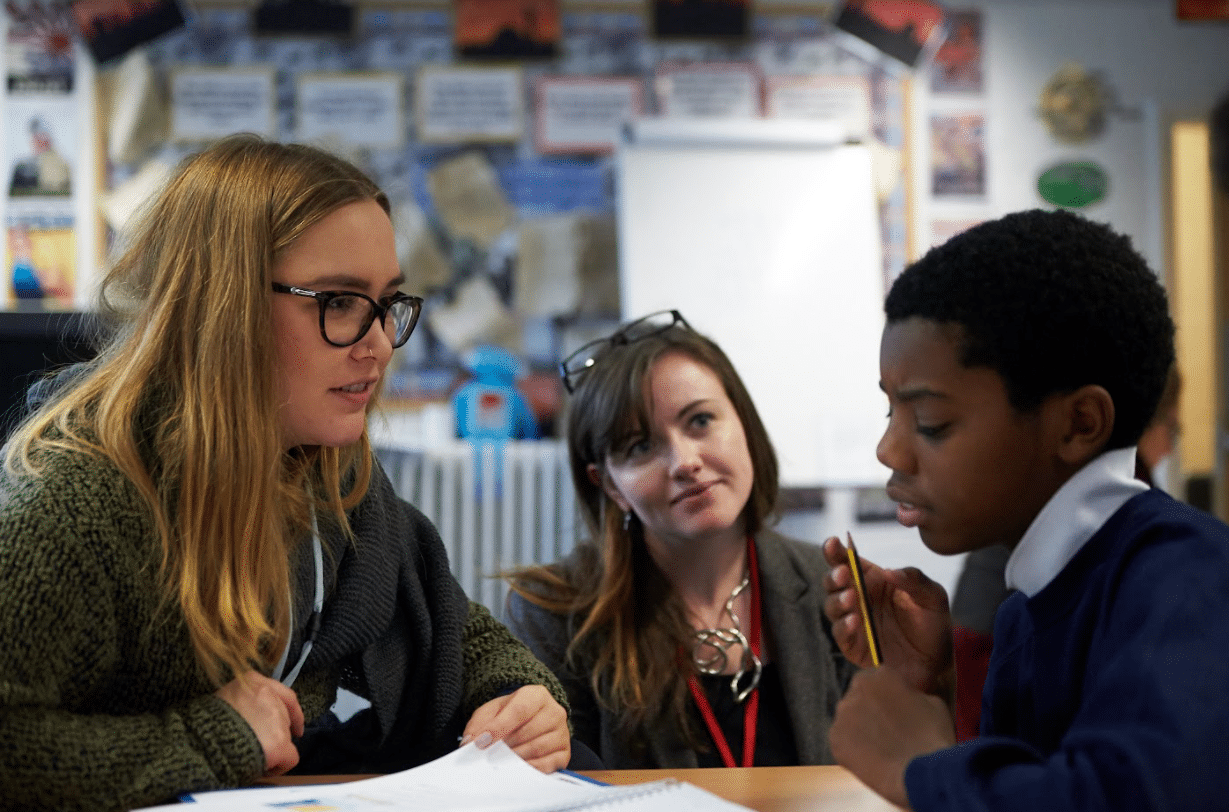
Pupils don’t understand your explanations
Not everyone learns the same way. Likewise, not everyone teaches the same way. Therefore, you may find that you need to explain methods in different ways in order for a pupil to absorb what you are trying to convey.
If your pupil is struggling to understand your explanations, the first step for a tutor would be to simplify the language and remove any technical terms where possible.
Then, you can use real life examples that pupils can relate to and can help. In maths, it is always good practice to relate the maths back to something real. For example, percentages can be about making money, or fractions about food.
In English, you’ll likely find it is individual words that often are more confusing than whole texts. Get the pupil to explain what they know about the context and what language they would use to describe the scene/emotion.
If one of your pupils is secure in the concept, you can ask them to explain it to their partner who is less sure. This will reinforce their learning, as well as perhaps finding a new way to explain to the other pupil in the group!

Pupils using their mobile phones during the session
A recent study has suggested that students check their phone on average every 8.6 minutes. Removing mobile phones is a good way to avoid distractions so that pupils can focus on the tutor and get the most out of the session.
There may be a legitimate reason for a pupil needing to use their phone e.g. texting a parent or guardian to remind them they will be home a bit later, or to arrange for a younger sibling to be picked up.
Generally, pupils will request to use their phone in situations like these. Pupils may say they need their phone to use the calculator, but your Programme Coordinator will be able to step in and provide a spare one in this situation.
Lastly, if you are worried that your pupil is uncharacteristically disengaging, then please let your Programme Coordinator know. They can pass it on to the school, who may wish to follow up to see if there are any serious reasons for the change in their behaviour.
Read more: How tutors can support pupils with dyslexia
Volunteering with us can help you learn how to better interact with pupils and give you access to resources that can improve your communication and tutoring skills.
During my placement with Action Tutoring, I learnt how important other factors; such as enthusiasm, body-language and confidence; are to engaging and building rapport with children.
Elsie, University student in Liverpool
Are you ready to join our inspiring volunteering group? We’d love to hear from you!
Follow us on our social media pages and stay up to date with the latest Action Tutoring news!
Here’s why Walk to School Week is more important than you think!
18 May 2022
What is Walk to School Week?
Walk to school is an annual event that encourages children to adopt new, healthier lifestyles by walking more and prioritising physical activity.
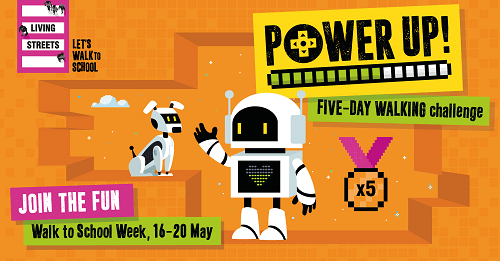
This year’s theme is #PowerUp – a video game-inspired design, motivating pupils to travel sustainably to school every day of the week. Each day children will have to unlock a new level by walking and a new mission to complete.
This week is a reminder that walking to school has multiple benefits, from physical to mental health; maintaining a less polluted environment and making streets safer for children.
Taking care of pupils’ physical and mental health is not limited to classroom activities – it’s important to incorporate other activities that promote a general sense of wellbeing in every aspect of young people’s lives.
Read more: Three ways our volunteer tutors support children’s mental health
The health benefits of walking to school
It improves cognitive function
Walking is a great exercise that children can do before school, as studies show that it gets the heart pumping and this can help improve cognitive function for lessons throughout the school day.
Another study by Stanford University has also shown that walking increases creativity and according to the research that was conducted, it opens up the free flow of ideas.
Walking improves our mood
Getting outdoors first thing in the morning is an excellent way to make the most of natural daylight and the exposure to sunlight increases levels of serotonin, the body’s natural mood stabiliser!
Children feel in control
Also, it’s important to keep in mind that walking to school can help pupils feel more independent and confident. Learning the route from home to school can enhance their navigation skills and it can serve as a great learning experience to familiarise themselves with road safety rules.
It can be relaxing
Lastly, walking to school can relax children and help them release tension, stress or negative thoughts in general before they head into the classroom.
How can you get involved?
This week is a challenge to incorporate healthy habits into our daily life and teach children the importance of exercise and physical health.
However, we understand that not every child has the possibility to walk the distance from their home to their school. If you are a parent, make sure you can park your car further than you normally would and try to walk the rest of the way. This can also give you the chance to spend more quality time with your child.
Walk to School Week is a great way for children to create healthy habits that can be extended beyond the week itself, by encouraging positive attitudes with a focus on exercise and wellbeing.
Walking is the first step to a healthier, happier lifestyle.
Follow us on our social media pages and stay up to date with the latest Action Tutoring news!