
Action Tutoring News
DAC Beachcroft strengthens support to Action Tutoring through a grant to fund our expansion across northern regions
6 September 2021

International law firm DAC Beachcroft announced it is providing Action Tutoring with a multi-year grant to fund a national expansion project.
The grant will support a ‘northern-belt’ programme, which will help us expand the offer of tutoring support to more disadvantaged school pupils across the north of England.
DACB first formed a corporate partnership with Action Tutoring two years ago, to provide English and Maths tutoring support to disadvantaged pupils in primary and secondary schools.
When we were named as one of the government’s National Tutoring Programme Tuition Partners to help disadvantaged school children to continue learning during lockdown, DACB expanded its support and today has 100 Action Tutoring volunteers in Bristol, London, Birmingham and Newcastle.
This constitutes five per cent of Action Tutoring’s UK-wide volunteering pool and makes DACB one of our largest corporate volunteering partners. In addition, the firm took proactive steps to donate laptops to schools for children without access to computers for home-learning.
Jen Fox, interim-CEO at Action Tutoring, says: “Throughout the pandemic it has been especially difficult for children who have not had the means to continue learning from home. During this time there has been a clear gap across the ‘northern belt’ of the UK, so we are keen to increase the number of tutoring programmes we’re delivering in this area to support more of the pupils who’ve been impacted. This grant is vital in helping us to realise our strategy of increasing the number of schools we work with by 60%, and will provide funding security as we move closer towards our vision of a world in which no child’s life chances are limited by their socio-economic background.
“DAC Beachcroft already has a large number of colleagues volunteering with us, ranging from recent graduates to members of the firm’s senior management team, who have delivered hours of invaluable support to disadvantaged pupils across our regions, and we would like to thank the firm for its ongoing support. Corporate partnerships are an important part of what allows us at Action Tutoring to make our programmes work effectively.”
Virginia Clegg, Senior Partner at DAC Beachcroft, volunteers as a tutor on one of our English programmes, delivering online sessions to pupils in London. She says: “Our work with Action Tutoring is an important part of our commitment to Corporate Responsibility and Inclusion and is enabling us to directly support our communities by helping disadvantaged children across the UK.
“We are delighted to extend our support for Action Tutoring through long term funding. We are providing the charity with the certainty needed to enable it to continue to grow.”
If you are interested in getting involved as a corporate partner, please contact our Partnerships and Fundraising Manager, Hannah O’Neill hannahoneill@actiontutoring.org.uk
Seven connections to help us create change
22 July 2021

Learn about Action Tutoring’s conversations with local MPs this summer.
We know that what happens on programmes is important. But in an average session, do the pupils and their tutors feel how significant their actions truly are?
Extra marks are gained, concepts are grasped for the first time, new future chances open up slightly more each time a pupil turns up and tries. But beyond individual growth, what happens matters on a greater scale. Everyone involved in our programmes is part of a nationwide movement, where people show up in the belief that a great education can make a more equal society.
Sometimes an opportunity arrives to show pupils and tutors that their efforts are being noticed. At 12pm on Friday 2nd July our Programme Coordinator, Sam, was about to set up for the usual afternoon session at Heathfield Primary School in Nottingham. Things felt a little different, though; two journalists and a camera person were expected at the school reception. The Member of Parliament for Nottingham North, Alex Norris, and our Interim CEO, Jen, would soon be arriving.
Not long after our first programme launched in Nottingham in 2019, Alex agreed to visit an Action Tutoring partner school to see the work being done. When the pandemic closed school doors, the visit couldn’t go ahead. Alex still helped us to get the word out to others at a crucial time via his newsletter.
It was an exciting moment, then, to finally welcome Alex to a session at Heathfield Primary School in July this year. Sam told us about the atmosphere on the day. “The pupils buzzed with a mixture of excitement and nervousness at the opportunity. Their heads were down and focused despite copious distractions. Some were even more studious than usual in a bid to impress their local representative!”
This was a chance for everyone to celebrate the admirable effort pupils had made since November. Sam could see how motivated they were to show off their work and quiz the MP. “The challenging questions they posed to Alex were certainly testament of this, as well as their working-strewn whiteboards which they returned to me at the end of the session.”
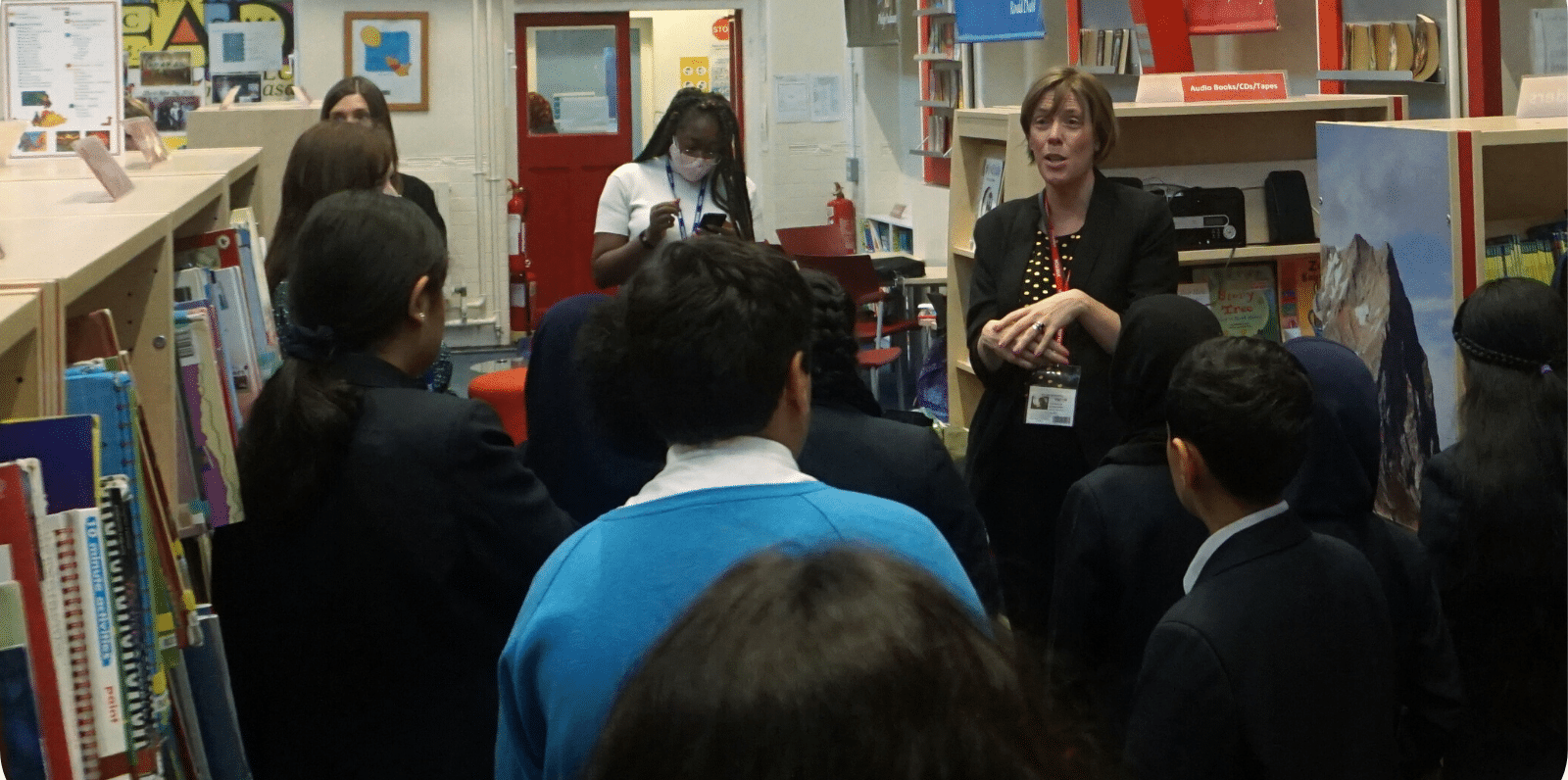
Less than a week later, a similar moment was about to happen at Ark Victoria Primary Academy in Birmingham. The committed MP for Yardley, Jess Phillips, had already witnessed local tutors working with pupils at another partner school back in 2017. But this time, circumstances were quite different. At 8am on Thursday 8th July, just before Jess arrived, tutors were logging in from Birmingham, Cambridgeshire, Exeter and beyond, ready to lead a productive and joyful final session with the Year 6s at Ark Victoria.
Justina has been tutoring at the school since last November and helped her pupils formulate questions to ask Jess Phillips during the visit. “It has been an incredibly rewarding experience to volunteer and support the learning of year six pupils remotely, at a primary school local to me in Birmingham.
“Despite the disruption caused by the pandemic over the last year, my pupils have shown enthusiasm, been willing to learn and have continued to make progress. I’m really looking forward to next year.”
This was the last session for Year 6 at Ark Vitoria after a big year. Another exceptional tutor, Elaine, has been on this journey with the pupils whilst living elsewhere in the country. “As the school year draws to a close, I am really reflecting on how lucky I have been to be able to work with the pupils at Ark Victoria Primary. They have been so cheerful and worked so hard – a great reminder to try our best when sometimes things seem too difficult. I work with Action Tutoring because I want to help young people achieve their best and am always amazed by how receptive the pupils are to the tuition – they always make me want to do more.”
Action Tutoring is hugely grateful to Alex Norris and Jess Phillips for their time and support for these pupils. Their active interest in our work locally has provided a special end to a year of hard work by all involved in our programmes. It has also already helped Action Tutoring forge new connections in the wider community.
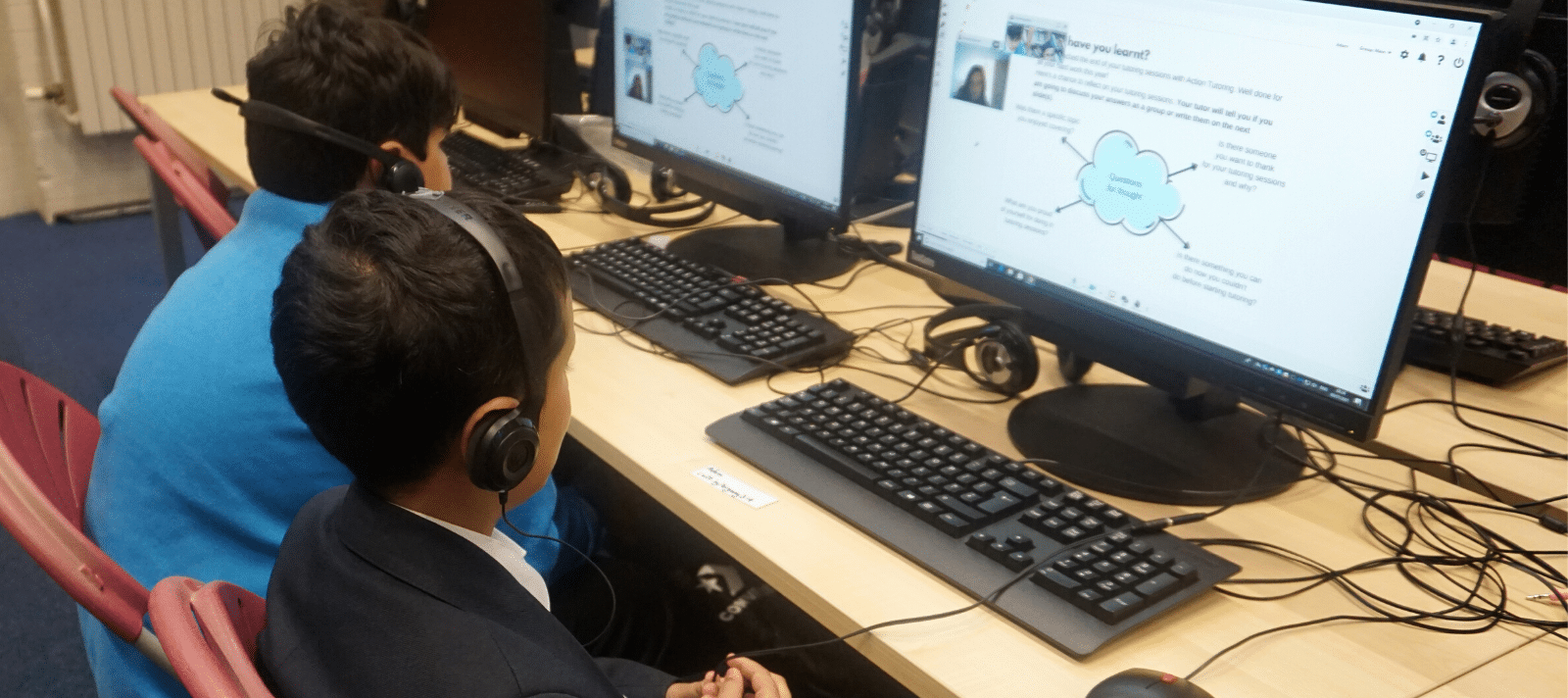
Action Tutoring reaches out to local leaders each year, to highlight the benefits of our work and seek support in raising awareness of what we do. This summer, Action Tutoring has met with seven MPs nation-wide to share the progress its pupils are making in their constituency, despite the additional barriers these pupils face. This seven includes two members of the House of Commons Education Select Committee. Programmes succeed because of the hard work of people in the community – whether that’s the young people themselves, volunteer tutors or the essential school team. These conversations have helped us celebrate and showcase these efforts. Going forward, we hope that deepening these connections will help us to sustain and grow the impact of our work for the unique and vibrant children and young people on our programmes.
Action Tutoring warmly welcomes Randstad as the new NTP delivery partner and reflects on the year so far
2 June 2021
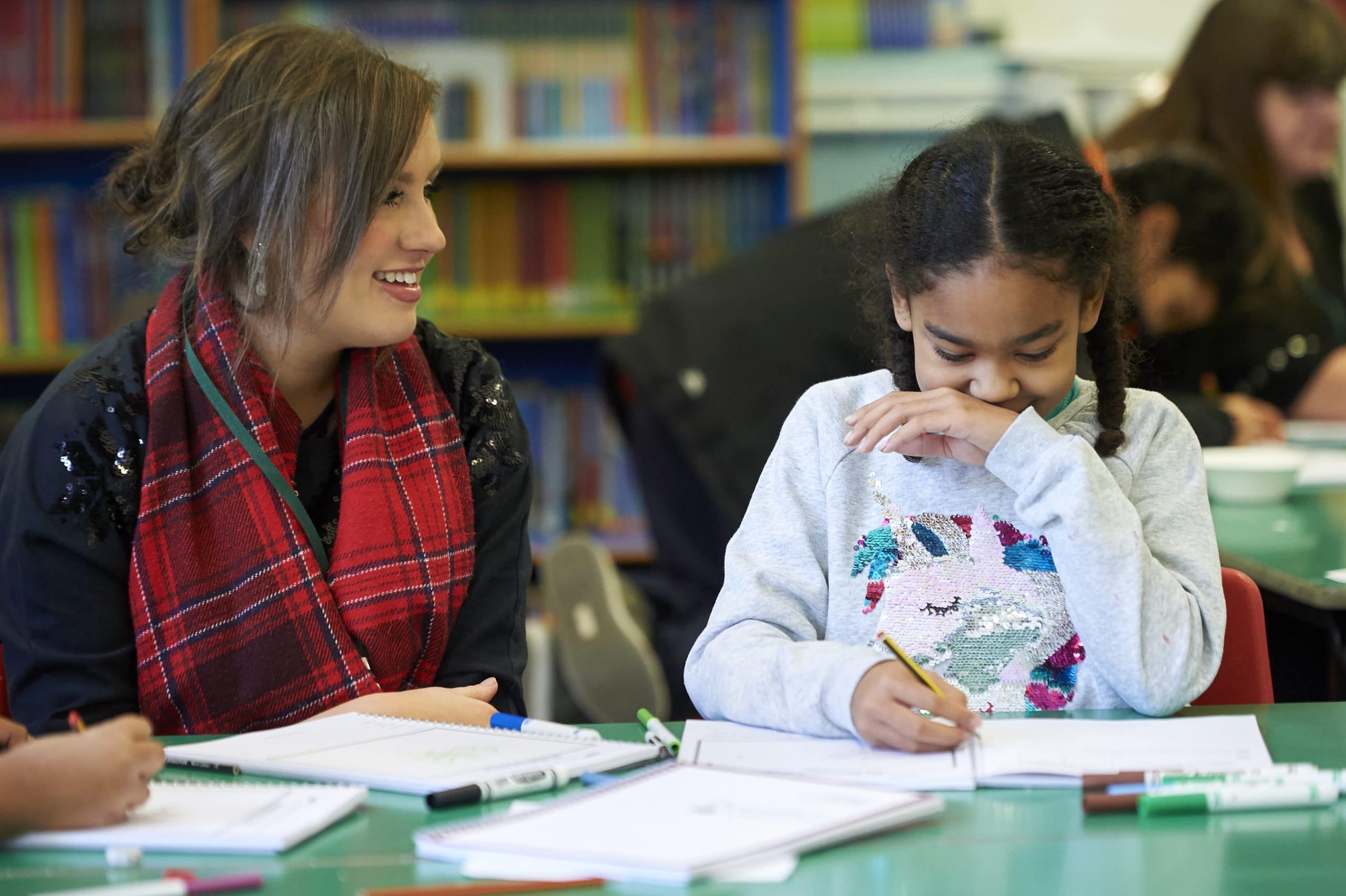
Action Tutoring would like to extend a warm welcome to Randstad as the new National Tutoring Programme (NTP) supplier for the next three years.
The NTP is a positive initiative that is helping disadvantaged young people recover from the educational disruption caused by the pandemic and Action Tutoring is pleased that this support will be continuing. The charity hopes many more disadvantaged pupils across the country can benefit from this academic support and stand a strong chance of reaching their full potential.
Action Tutoring would like to thank the EEF, Sutton Trust, Nesta, Impetus and Teach First for leading the NTP in its pilot year, in the face of many challenges. There have been plenty of positive learnings from this year which will help develop an even stronger programme to reach many more young people next year.
Action Tutoring has been proud to play its part in the catch up drive, working with the NTP, and we look forward to submitting our application to continue as an NTP Tuition Partner over the next three years.
Thanks to the NTP’s support this year, we have been able to grow more than ever before. This has enabled us to reach many more disadvantaged pupils, those who have been significantly impacted by the pandemic.
There’s still half a term left of this academic year and we have already been able to reach 4,804 pupils, since October, with our tutoring support. That’s over double the number of pupils we supported last year.
This simply would not have been possible without our incredible volunteer tutors. 2,515 tutors have given their time for free to help our pupils this year, ensuring they are able to make up for the time they lost during the pandemic. Again, that’s over twice the number of volunteers who supported us last year and we are so grateful to each one.
Together they have been able to deliver an astonishing 23,573 tutoring sessions, both face to face and online while schools were open and to pupils at home when the schools were shut.
We’re looking forward to working with our partner schools for the rest of the term and seeing our pupils continue to succeed!
To get involved as a volunteer tutor, or to partner as a school, please visit the links below.
Action Tutoring launches programmes in new cities across England
23 April 2021
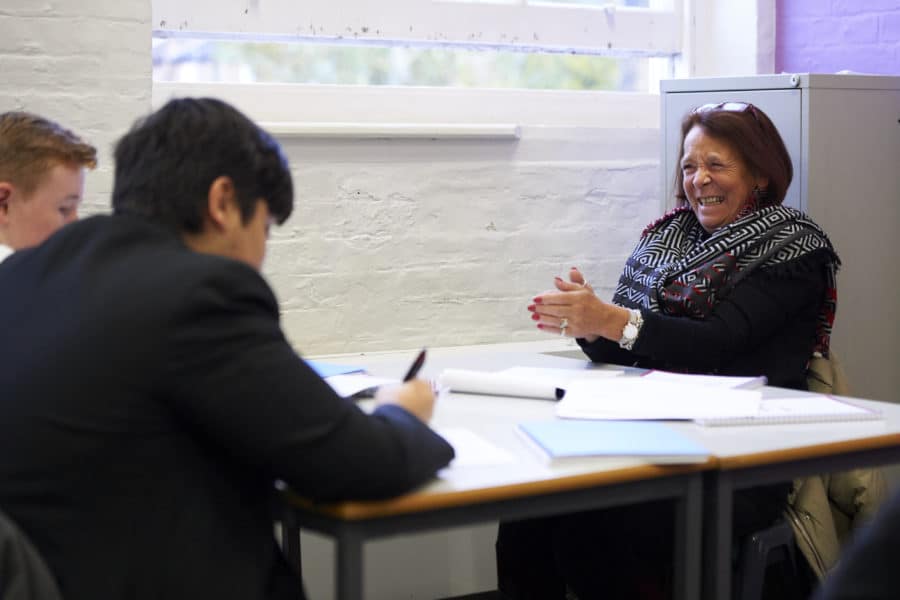 At Action Tutoring, our vision is a world in which no child’s life chances are limited by their socio-economic background. We wish to support as many disadvantaged pupils as we can, across as many regions as possible, to close the attainment gap and help these pupils fulfil their potential.
That’s why we’re delighted to announce the expansion of our current reach to new cities across the Midlands, North West and North East of England.
This means that with the help of our dedicated volunteer tutors, we will be able to deliver more sessions across the country, helping more disadvantaged pupils catch up on the learning they have missed as a result of the disruption caused by the pandemic.
The story so far
Action Tutoring began in London in 2011 and in 2014, we expanded to partner with schools in Birmingham, Bristol, Liverpool, Sheffield and Sussex, before reaching Newcastle in 2017 and Nottingham in 2019.
During our time in these cities, we have made valuable relationships with schools, volunteer centres and other local organisations, in order to spread the word about the work that we do, with aims of having a positive impact on the local community.
Now, 10 years after our very first sessions took place, we are excited to be expanding further, reaching schools in Coventry and Derby in the Midlands, Chester and Southport in the North West and Durham in the North East.
Head of Delivery, Adam Geach, said, “It’s fantastic that we have been able to expand the work we are doing and partner with schools that we have previously been unable to support.
“Previously we have been limited to working in large cities due to the restraints of our volunteers, however with the development of our online model, we are now able to support schools further afield. This means we are able to reach and support disadvantaged pupils from different communities, where the inequality gap is stark.”
Adam added, ‘It’s fantastic to see our programme coordinators work so closely with the schools and to have tutors from across the country support pupils from these areas.”
For more information about the schools we are working with, please visit our Where We Work pages.


The benefits of online tutoring
Programmes in these new cities are currently all online, with pupils entering virtual classrooms from school, while tutors join remotely from across the country, as we build our pool of amazing volunteers in these areas to support pupils at local schools.
Programme Coordinator for Chester, Cathy Cartwright, said, “Since January we have launched six programmes in five different schools across Cheshire West and Cheshire, supporting pupils in Years 5,7,10 and 11.
“With these being online programmes, tutors from all across the country have been able to support pupils in Chester develop their confidence and subject knowledge in their English and/or maths.”
Get Involved
If you live in one of these cities and would like to help disadvantaged pupils in your community catch up on the learning they have missed, please apply now using our application form.
Similarly, if you are a school in one of these cities and would like to get involved, please enquire via our school inquiry form.
We are also always looking to expand further, so please get in touch even if we aren’t currently running programmes in your region.
How to create a charity video during a pandemic?
29 March 2021

Producing a charity video in a pandemic, who doesn’t love a challenge? This is the story of how we, at Action Tutoring, managed to create our new video.
Click to watch the new Action Tutoring video
Back in September, Action Tutoring started its first online tutoring sessions after trials during the summer months. To encourage more volunteers to apply to tutor online, the marketing team were tasked with producing a video showing the benefits of online tutoring. The team worked with our fantastic videographer, Owen, to create the project.
Top tip 1: Create a detailed brief – formulating a plan for what the video will look like, what it must include and its overall purpose is extremely important. Make this as detailed as possible.
Producing a detailed brief for our videographer was critical, as we really wanted to shine a light on the benefits of our online tutoring. The brief detailed exactly what we were looking for, the main aims of the project and examples of other charity videos we were trying to replicate allowing Owen to have clear direction. Once we had our plan in place, the next step was to find schools that would be a good setting for our video.
Top tip 2: Find a supportive setting – in our case a school, that you have great communication with and our supportive of the work you do. We have worked with Prendergast Vale for years and this allowed us to overcome any issues quickly.
In the run up to the day of the shoot at the secondary school, a hiccup arrived. Having returned from a holiday to stay at his parents, our marketing manager’s mum started to feel unwell. A Covid test was needed. Unfortunately, the test came back inconclusive, making it impossible for him to attend the filming as they had to quarantine.
Fortunately, it had already been planned that our marketing assistant, Luc, would join the filming to support. On the day of filming, Luc brilliantly led the way, directing our videographer to ensure we secured the shots that were needed to make the video. Interviews with pupils were completed in a Covid secure way, masks were worn and social distancing was implemented.
Top tip 3: Interview people who are impacted by the work you do – interviewing pupils on camera for the first time allowed us to show the impact of Action Tutoring’s work on those who it supports.
As the plan for the video centred around interviews with our pupils, it was important to get as much content as possible, so that we were able to select the very best soundbites for the final edit. In order to make sure we covered a range of voices, we selected three different interviewees. By liaising with our programme coordinator, Lily, who knows the pupils well, we were able to interview pupils who we felt would be confident in sharing their experience of an Action Tutoring programme.
The results of the filming were great. Engaging interviews with the pupils, a comprehensive interview with the deputy headteacher and some dynamic cutaways to use in our video.
Top tip 4: Get more footage than you think you need – it’s great to have more content to choose from. There will often be issues, whether that is distorted sound or out of focus shots.
Unfortunately, due to lockdown rules, we were unable to get footage of volunteers tutoring from home. So, we made it our aim to secure some footage at a primary school.
Owing to the school closures in January, we had to cancel our planned filming at a primary school. After finding out schools wouldn’t return till March, it was decided to go ahead with producing the video with the footage we had.
Our videographer started to produce the first few drafts of the video. As you may have noticed from the final cut, we used old footage of tutors in the classrooms as we were unable to film in people’s homes – this worked really well.
Top tip 5: Don’t forget the subtitles – your video will be used on social media where people don’t have the sound on. The content should also be made accessible for all.
After much back and forth – we settled on the final version which you can see today. Despite some hiccups along the way, we are proud of the video we have produced and proved creating a charity video in a pandemic can be done.
Balancing learning and health through the crisis – the Government response so far
26 March 2021
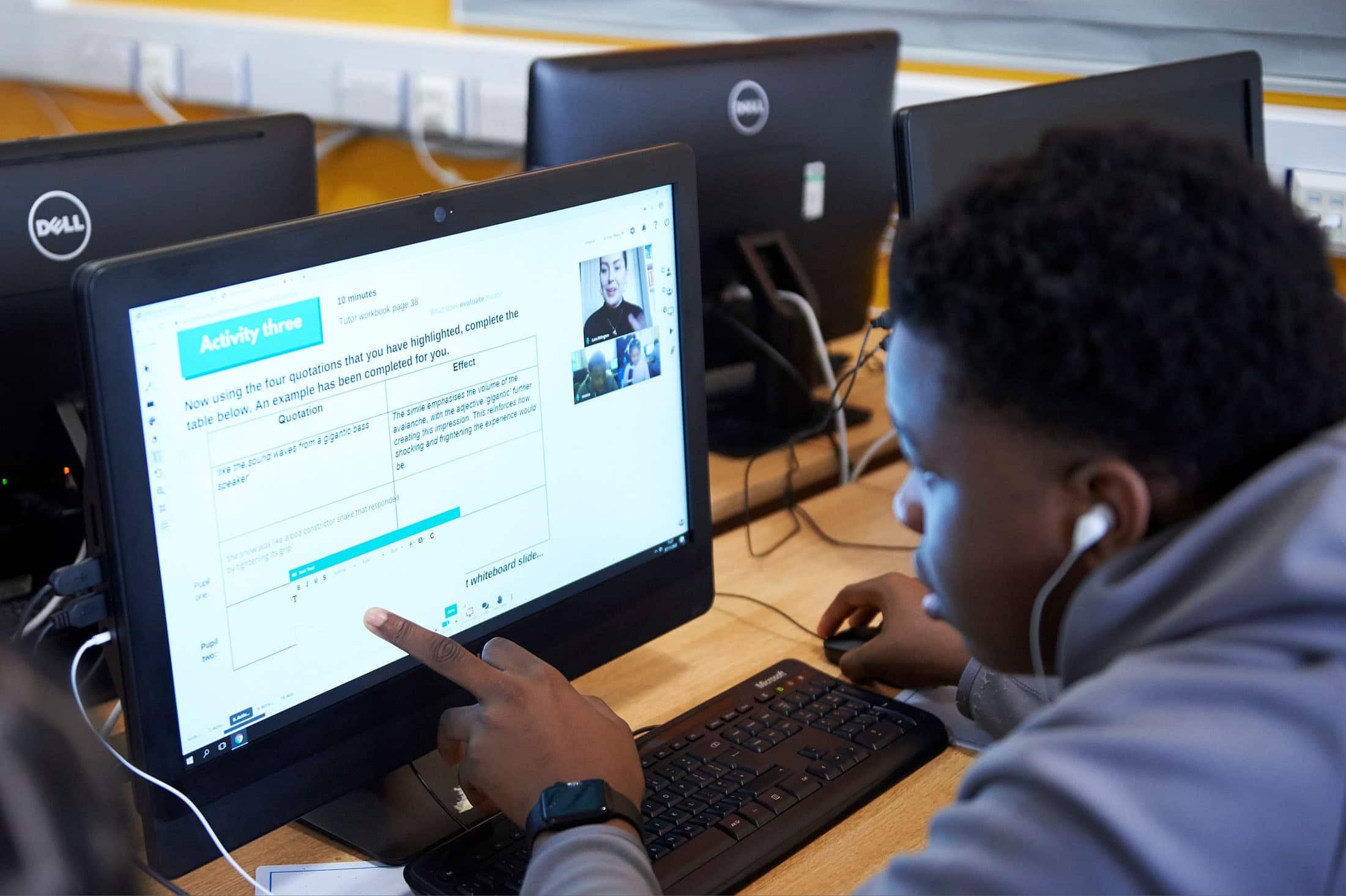
This month marked a year since schools were first closed to fight Covid-19 infections. Since then, there’s been a constant debate over how best to balance public health and the long-term impacts of restricting classroom learning. We’ve summarised for you the government response so far to the impact of the pandemic on education.
Closing schools: The last resort
School provides a safe, structured space for children and young people to learn and develop. Not all children can access learning as effectively at home. Weighing up the risk to public health with the risk to children’s wellbeing and future opportunities has been an ongoing challenge for politicians.
Schools in the UK closed from March to September 2020, resulting in up to 14 weeks of lost classroom learning for pupils. During this time, 71% of schools in England remained open to vulnerable children and those of key workers who weren’t at home to supervise learning, compared to 34% in Wales, 30% in Northern Ireland and just 24% in Scotland. Learning time fell significantly for pupils while schools were closed; the Institute for Fiscal Studies has found that pupils did not settle into remote learning during the first lockdown. As schools began to reopen, worries around sending pupils back to classrooms meant that inequalities worsened.
Education Secretary Gavin Williamson called closing schools a “last resort” for suppressing the rate of infection, given the detrimental impact on pupils. However, in January 2021, the Government changed its plan and announced that schools would close in the third nationwide lockdown. A surge in pupils attending in person then led the Government to issue more guidance and encourage key-worker parents to keep their children at home if they could, to relieve pressure on schools.
On 22nd February, the Prime Minister announced that English schools would reopen from 8th March. Although there would be no phased return for the different age groups (a decision criticised by education unions) schools were encouraged to consider staggering the daily timetable to reduce the risk of infection and secondary pupils had to undergo testing before they could re-enter the classroom. A petition calling for school and childcare staff to be prioritised for vaccination exceeded 500,000 signatures and was debated by parliament in January. However, the Government chose not to revise the priority groups to include teachers.
Improving access to remote learning
Once pupils were sent home, the gap in access to technology posed a big challenge. School communities weren’t ready for the sudden switch to remote learning and pupils from disadvantaged backgrounds were more likely to miss out.

Access to devices and stable internet connection has varied greatly throughout the pandemic, with pupils from disadvantaged backgrounds more likely to be affected. The DfE’s Get help with technology scheme was introduced to address this. In England, the Government made efforts to deliver laptops and routers by the end of June 2020 and by 7th March 2021 over 1.25 million devices had been delivered.
Recent research by Ofsted found that many schools surveyed parents to assess gaps in tech, and then made great efforts to source equipment from within the community. Despite these efforts, many pupils still lack adequate technology to access home learning. Schools will continue to be legally required to provide remote learning to pupils that can’t attend school, even after classrooms reopened on 8th March. The pandemic has brought digital inequalities into focus and, as restrictions ease, the need to be ready for remote learning isn’t likely to disappear.
More money for schools to boost recovery
The Government recognised that schools would need more resources to cope with the impact of Covid-19 on pupils. Not all the funding has been made directly available to schools. A proportion is designated for tutoring, paid directly to quality-checked providers that schools can approach for support.
Last year, the Government announced a £1 billion catch-up fund for schools in England for the 2020-21 academic year. This was equivalent to £80 for every pupil in a mainstream school from reception to Year 11 (and more in specialist settings). While schools were offered some flexibility to decide how to use the money, it was meant to be used “for specific activities which will help pupils catch up on missed education”, with the Education Endowment Foundation publishing a guide for schools to identify the most effective approaches.

Around a third of the catch-uping fund made available for schools last year was ring-fenced for tuition. In June 2020, the Government a new National Tutoring Programme worth £350 million would be set up to help disadvantaged pupils recover from the educational disruption caused by Covid-19. Funding would be paid directly to accredited providers, to be approached by schools.
Tutoring organisations of all kinds, private and non-profit, were invited to apply to join the scheme and were subject to quality checks. Action Tutoring was officially approved as a Tuition Partner in November, and the initiative has enabled the charity to reach thousands more pupils in need of an academic boost. In January the scheme was extended until 2022, with an additional £200 million set aside, subject to future spending reviews.
As of February, the NTP had reached 70% of its target schools. However, professor of social mobility, Lee Elliot Major, recently said that the NTP would need to be scaled up considerably if it is to have the desired impact. At present, not all pupils eligible for free school meals are benefiting from tuition through the scheme and the NTP’s data suggests that access is lowest in the North East, North West, Yorkshire and the Humber. The initiative represents a huge opportunity. But more will need to be done to ensure it is available to all those that need it for the long term.
The future of education recovery: Catch-up commissioner appointed
The impact of Covid-19 and school closures on education is deep and will be long lasting. Children and young people of all backgrounds will need additional support for years to come – support that spans academic attainment and mental and physical wellbeing. Sustained action will be needed to address the inequalities worsened by the crisis.
Numerous options have been considered in the public discussion around education catch-up, including longer school days, additional school terms, summer schools and forest schools.

Sir Kevan Collins, former chief executive of the Education Endowment Foundation with 30 years of teaching experience, has been appointed Education Recovery Commissioner. The Commissioner will report directly to the Prime Minister and Education Secretary, and will “consult closely with parents, teachers and schools to make sure every young person has the opportunity to progress and fulfil their potential.”
Whatever plans are announced in the coming months, we hope they will address all the aspects of pupils’ learning and wellbeing that have been impacted by the pandemic. We also hope they will draw creatively on the full evidence available for what works, and that they carefully consider the demands placed on our school workforce.
Back to school! Action Tutoring resumes face-to-face tutoring as schools return
8 March 2021

Photo courtesy of Abbeywood School
As pupils return to schools this week, we’re delighted to be able to begin delivering face-to-face tutoring sessions again, in order to support the young people we work with to catch up on the learning they have missed.
The impact that school closures have had on disadvantaged pupils is extreme, and Action Tutoring welcomes the news of teachers, tutors and pupils being able to return to schools, to resume normal classroom teaching and help make up for the time lost.
For many families, the news of schools reopening may bring anxiety as well as relief, but we know that school is the best place to be for the young people we support.
We are working hard to ensure that tutoring can be delivered in person as safely as possible, in line with the current government guidelines, and we have updated our Covid-19 safety guidance for face-to-face programmes accordingly.
Action Tutoring is incredibly grateful to all of its team and network, who have worked tirelessly to ensure its tutoring support has been able to continue online while schools have been closed.
We would like to thank everyone involved for their hard work, passion and dedication, which has helped disadvantaged pupils across the country with their academic catch-up so far. We are committed to ensuring that our pupils continue to receive support they need to get back on track.
Programme update
Following the government announcement that schools were to open on 8th March, Action Tutoring made the decision to resume in school tutoring from this date. From 8th March onwards, Action Tutoring will resume face-to-face tutoring sessions in schools, with social distancing in place.
We intend to continue to deliver most of our current programmes online until at least the Easter holidays. Pupils will take part in these online sessions from school, while tutors will continue to deliver them remotely, from home.
As face-to-face tutoring resuming, we are in need of volunteers to deliver in person sessions more than ever, to support disadvantaged pupils make up for the learning they have missed. We know that in person tutoring is of great value to both pupils and tutors, and we endeavour to make sure that these sessions can continue to go ahead safely.
Evidence shows that school closures have widened the attainment gap between disadvantaged pupils and their peers further. Action Tutoring is committed to providing tutoring to as many young people as possible during this unsettling and challenging time.
This type of academic support is vital. Disadvantaged pupils need this support now more than ever before to ensure they can make up for the education lost and progress academically. Action Tutoring needs volunteer tutors to enable this to happen.
Apply now and become a volunteer with Action Tutoring to help disadvantaged pupils with English and/or maths, for as little as an hour a week.
For more information, please visit our Covid-19 FAQ page and read our Covid-19 statement.
Action Tutoring shares its 2019-20 Impact Report – how we’ve adapted to continue supporting disadvantaged pupils
3 March 2021
We are delighted to share our 2019-20 Impact Report with you. The last year has been a turbulent and uncertain one, with school closures and further disruptions to learning impacting disadvantaged pupils significantly. As a charity, we are proud of what has been achieved in response to the pandemic and are committed to helping pupils make up for the time lost.
Our impact report includes some of our key delivery statistics from before the pandemic and it details how we adapted and developed over the period of school closures, to be ready and equipped to support with the catch up in the autumn. It also gives core statistics on the impact the pandemic has had on pupils’ learning nationally, particularly the disadvantaged pupils we support.
Action Tutoring 2019-20 Impact Report
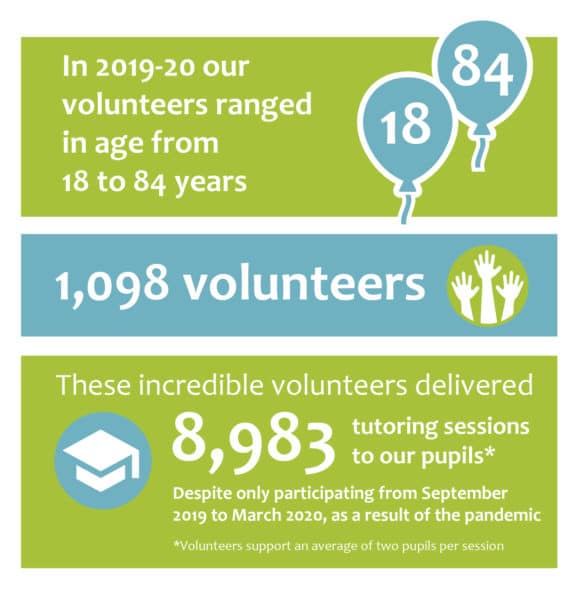
We are extremely proud to have delivered 8,983 sessions from September 2019 to March 2020, with the help of 1,098 incredible volunteers. This meant that we were able to reach 2,0108 disadvantaged pupils, in 95 schools, across eight cities.
We would like to thank our wonderful volunteers, funders, partners and supporters for the part you have played in contributing to this success.
The pandemic has hit disadvantaged young people incredibly hard. This report shows how relevant and necessary Action Tutoring is in helping them get back to where they should be.
Key Findings
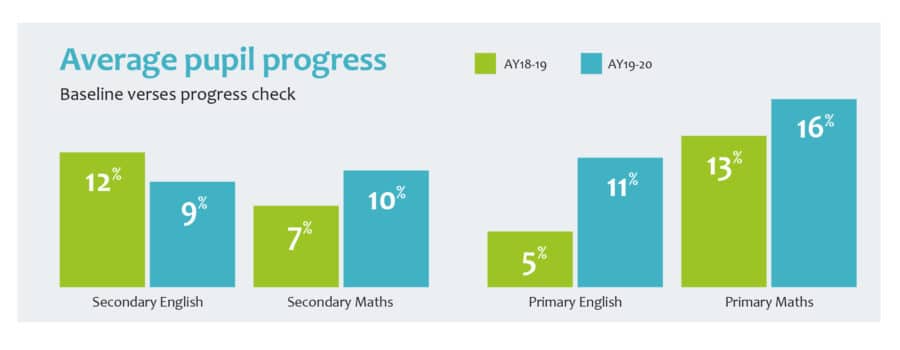
We are so pleased to be able to share some positive outcomes from over the past year. Here are some key findings from this year’s impact report:
How you can help
Spread the word – Please share our impact report and our social media posts, to encourage anyone you know who’s interested to apply to join us as a volunteer or email us to discuss partnering as a school.
Click to share our impact report via Twitter
Join us – become a volunteer tutor and support disadvantaged pupils to catch up on the learning they have missed.
Fundraise or donate – either individually or as a team, to help us raise vital funds which will support our delivery and help us recover from the financial loss resulting from the pandemic.
Sign up to our newsletter – if you haven’t already subscribed, to receive all the latest news from our charity.
Positive findings from the EEF report on effectiveness of online tuition in supporting disadvantaged pupils to learn remotely
12 February 2021
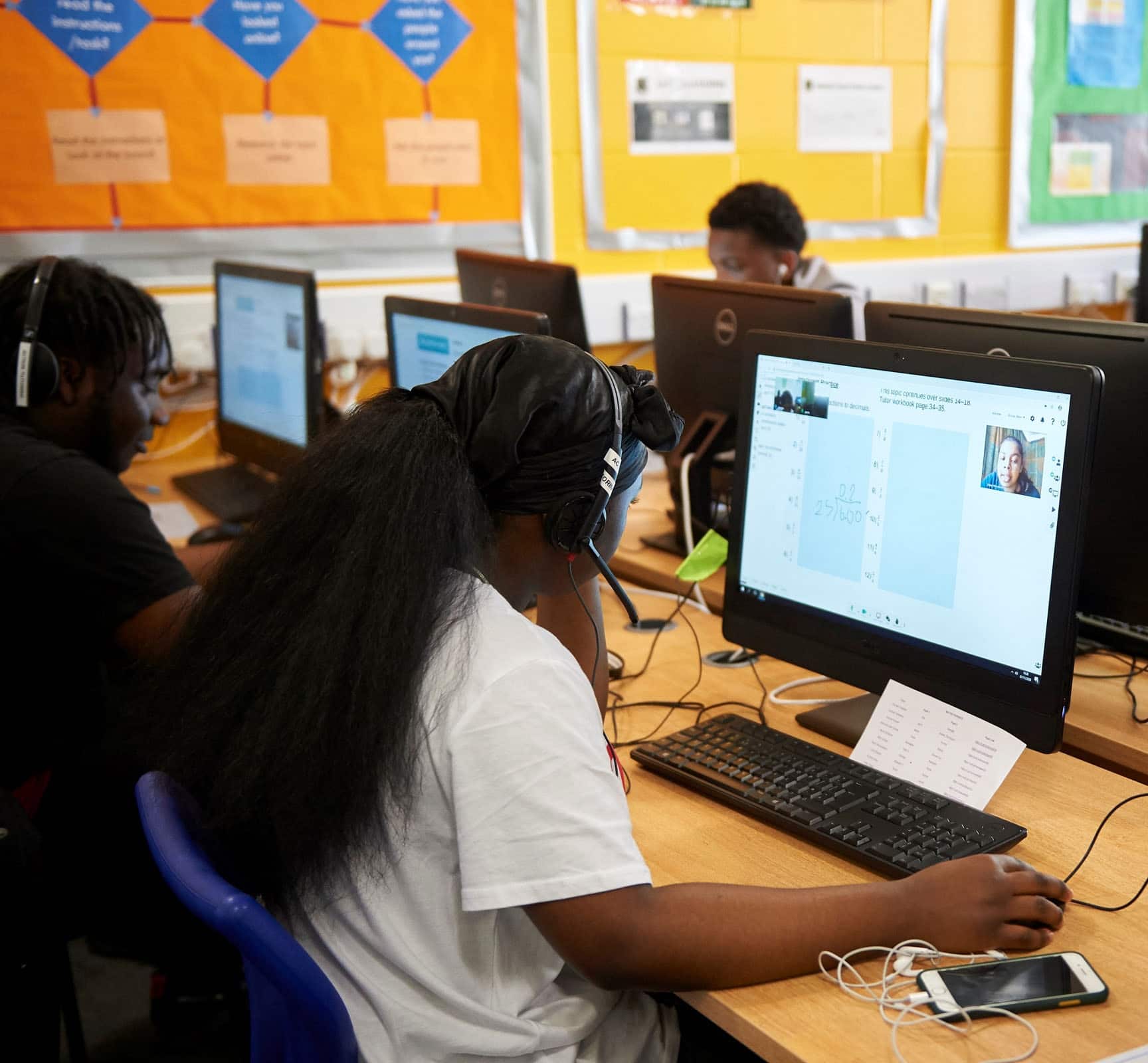
Delivering online tuition can be an effective way to support the learning of disadvantaged pupils during partial school closures – if supportive measures are in place – according to a new report published today by the Education Endowment Foundation.
The report evaluates the reach of the National Online Tutoring Pilot, commissioned by the EEF in partnership with the Sutton Trust, Impetus and Nesta, to support disadvantaged pupils’ learning during and after partial school closures in the first national lockdown. Its aim was to test the feasibility and promise of online tutoring to support learning while pupils, in particular those from low-income backgrounds, were unable to access school in the normal way. It was the first study to look solely at online delivery in England.
The pilot was delivered from June to October 2020 by Action Tutoring and My Tutor, The Access Project and Tutor Trust. In total, the pilot reached 1,425 learners in 65 schools, with 9,800 tuition sessions delivered. The vast majority of pupils were studying for their GCSEs in Years 10 and 11 (ages 14-16). Most pupils received weekly one-to-one sessions on maths, English or science. The majority of pupils receiving tuition were eligible for Pupil Premium funding.
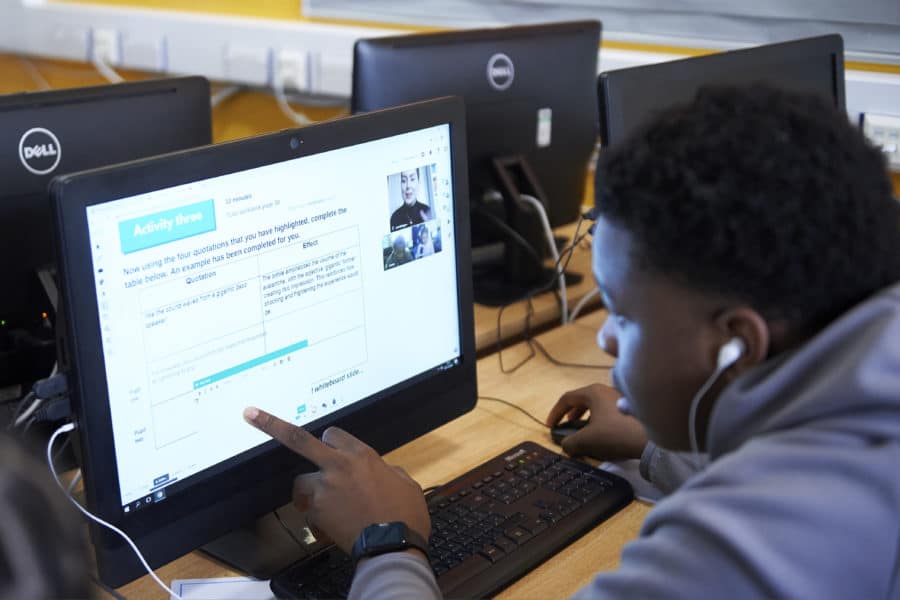
The independent evaluation by NatCen lists five key conclusions:
- Delivering online tuition during the period of partial school closures was feasible, with high reach in the circumstances.
- Access to equipment and reliable internet connections were key barriers to participation, particularly for home-based learners, despite the best efforts of schools. Almost half (48%) of schools reported lack of equipment as a challenge.
- Pupils enjoyed the tuition and there were perceived benefits for learning, with improvements in learners’ confidence, engagement with education and preparedness for new school year reported. The overwhelming majority (87%) of learners said that, if they had the opportunity, they would like to carry on with their tutoring. Three-quarters (76%) said they enjoyed learning more than they did before.
- Investing time in building effective relationships between schools and families were crucial in supporting take-up and engagement.
- Face-to-face tuition is preferred by both tutors and learners to online tuition.
The EEF is delivering the National Tutoring Programme Tuition Partners pillar, which offers subsidised face-to-face and online tutoring to schools from an approved list of 33 Tuition Partners, including Action Tutoring. While there are some key differences between this pilot and the NTP model, notably that some of the tutoring in the online pilot was delivered in the summer holidays rather than in term time, today’s findings provide valuable insight into the benefits and barriers to online delivery.
Since its launch in November 2020, the NTP has been clear that tutoring – whether online or face-to-face -should take place in school wherever possible, to minimise the barriers highlighted by today’s report. However, with schools currently closed to most pupils, almost all Tuition Partners are offering online at-home tuition to ensure that pupils can still benefit in this period of disrupted learning.
The pilot was co-funded by the EEF, alongside Wellcome Trust, Paul Hamlyn Foundation, the Hg Foundation, Porticus UK, the Dulverton Trust, the Inflexion Foundation and other funders.
Action Tutoring encourages pupils to express themselves as part of Children’s Mental Health Week
3 February 2021

February 1st – 7th see’s Place2Be’s ‘Children’s Mental Health Week’ campaign in full swing, a week dedicated to raising awareness and educating adults and young people about the importance of looking after our emotional wellbeing from an early age.
This year’s theme is ‘Express Yourself’, encouraging children (and adults) to explore the different ways we can express ourselves, and the creative ways that we can share our feelings, our thoughts and our ideas.
At Action Tutoring, we are always looking to support pupils’ wellbeing, as well as their academic needs. It is important for us that, in addition to achieving a meaningful level of academic attainment at school, pupils are also able to develop as happy, healthy and well-rounded individuals.
1 in 6 children and young people have a diagnosable mental health condition, and with more potentially struggling with lockdown, bereavement or bullying, there’s never been a more appropriate time to talk about children’s mental health. Young people have spent almost a year being in and out of school, often locked in for long periods and out for only short bursts of time, which has been enough to put adults’ mental health under duress, never mind children.
Encouraging children to express themselves could help alleviate some of these difficulties, and lead to improved emotional wellbeing. So how can we help young people (and ourselves!) reconnect with the creative streak that lives within us all?
- Drama – you don’t have to be on the West End stage to engage with drama and performing. Whether acting out a scene from your favourite book, or recreating a scenario to act out with friends or family, drama is open to everyone. Drama can not only be a great way to release your curious and creative nature, but it can be also truly beneficial in helping children understand different situations. At a recent webinar, a mum explained how she’d been using role play scenarios to help her child understand what a ‘return to school’ would look like. They took it in turns to be the teacher and pupil, and even practiced social distancing in their home! What a fabulous way to help a young person understand what’s going on, or how things might be different moving forward, whilst also letting them be a playful child!
- Art – we’re all spending way too much time looking at our screens, and too little time using our hands for anything other than typing. Grabbing a colouring book or some pens and paper might encourage a young person (or adult) to take a break from the virtual world. Why not draw a picture of how you feel right now and discuss it? This can be a great way to express how you’re feeling other than through speech, and with a bit of colour!
- Dressing up – for lots of us, this year has consisted of pyjamas, work outfits and changing back into pyjamas when the clock strikes 5:30pm. Getting dressed up, even if it’s to sit in the house, can really boost how you feel about yourself. For children, letting them play dress up or wear what they want for the day might really help them express themselves and bring a bit of colour to the gloomier winter days.
- Walking – a simple, but easy one. We all know walking is great for mental health, and after months inside it’s more important than ever. Walking can be creative – take a litter picker and clean up the streets, take photos of the lovely flowers or insects you see, or even take a new route to your usual walk. You could also simply walk and let your thoughts come to you naturally – nothing is more creative than original thought!
Identifying and responding to mental health concerns
Encouraging children to express themselves and talk about how they feel really is important, especially now. However, it’s also important to know what signs to look out for if the young people around us are struggling with their mental health and, crucially, how to support them.
In a national lockdown, children are bound to miss their usual structure, friends and family, which can lead to feelings like uncertainty, boredom and restlessness. This may also prompt uncomfortable or insecure feelings in their familial relationships, and subsequently, reactionary misbehaviour or misplaced hostility. Here are some tips on how to help and respond:
- Listen – Find an opportunity to listen to what’s wrong, listen carefully to their answers and reassure them as best as you can to reinforce their stability and standing in the family.
- Express – If they are reluctant to talk about their feelings, encourage them to write a letter or a diary entry to address their emotions. Journaling allows for self-reflection and relieves stress.
- Routine – Build positive routines, such as healthy eating and exercise. Physical activity, whether indoors or outdoors, improves self-esteem,
increases concentration and can improve academic performance! - Praise – Give lots of positive feedback and encouragement to their achievements, whether it be a piece of school work, a drawing they’ve done or even just tidying their room.
- Support – Reach out to other parents and carers, or other friends and family, yourself. A problem shared is a problem halved, and talking is a great way to keep positive, motivated, and to be able to model this behaviour to your dependents.
“It’s important to remember that being able to express yourself is not about being the best at something or putting on a performance for others. It is about finding a way to show who you are, and how you see the world, that can help you feel good about yourself” – Place2Be
So let’s start watching out for the signs of anxiety or deteriorating mental health, remember how to get support and start expressing ourselves. Let us as adults be role models to help the younger generation express themselves as well. Children’s mental health should always be a focus, but let’s take extra care this week. Childhood is precious. Let’s protect it.
Action Tutoring would like to thank Place2Be for championing this brilliant cause with their campaign and we encourage everyone to check out the resources on the campaign website.